
Civil War Railroads: Map and Facts (North vs South)
Last revised: October 27, 2024
By: Adam Burns
Railroads in the Civil War would play a pivotal role in deciding how the campaign transpired. The North not only held a commanding advantage in total mileage but also boasted a mighty industrial machine across New England.
There were many reasons for the South's failure to achieve victory. One of the most noteworthy was its inability to properly utilize the railroad.
It also faced an unforeseen problem of suffering tremendous damage from Union forces which were successful in regularly disrupting operations.
Since most of the fighting occurred below the Mason-Dixon Line this issue was only magnified as the conflict wore on. For its part, the North suffered setbacks as well. Most notably was the venerable Baltimore & Ohio which lay in the heart of the fighting.
History and Facts
Initially, the B&O was an ardent Southern sympathizer but that changed after a series of Confederate attacks severely crippled its network.
As Mike Schafer notes in his book, "Classic American Railroads," it proved an invaluable asset for the Union.
Aside from the war railroads dealt with other issues throughout the 1860's, such as numerous track gauges and a lack of sufficient bridges spanning major waterways. Issues like these resulted in a lack of fluidity.
Photos
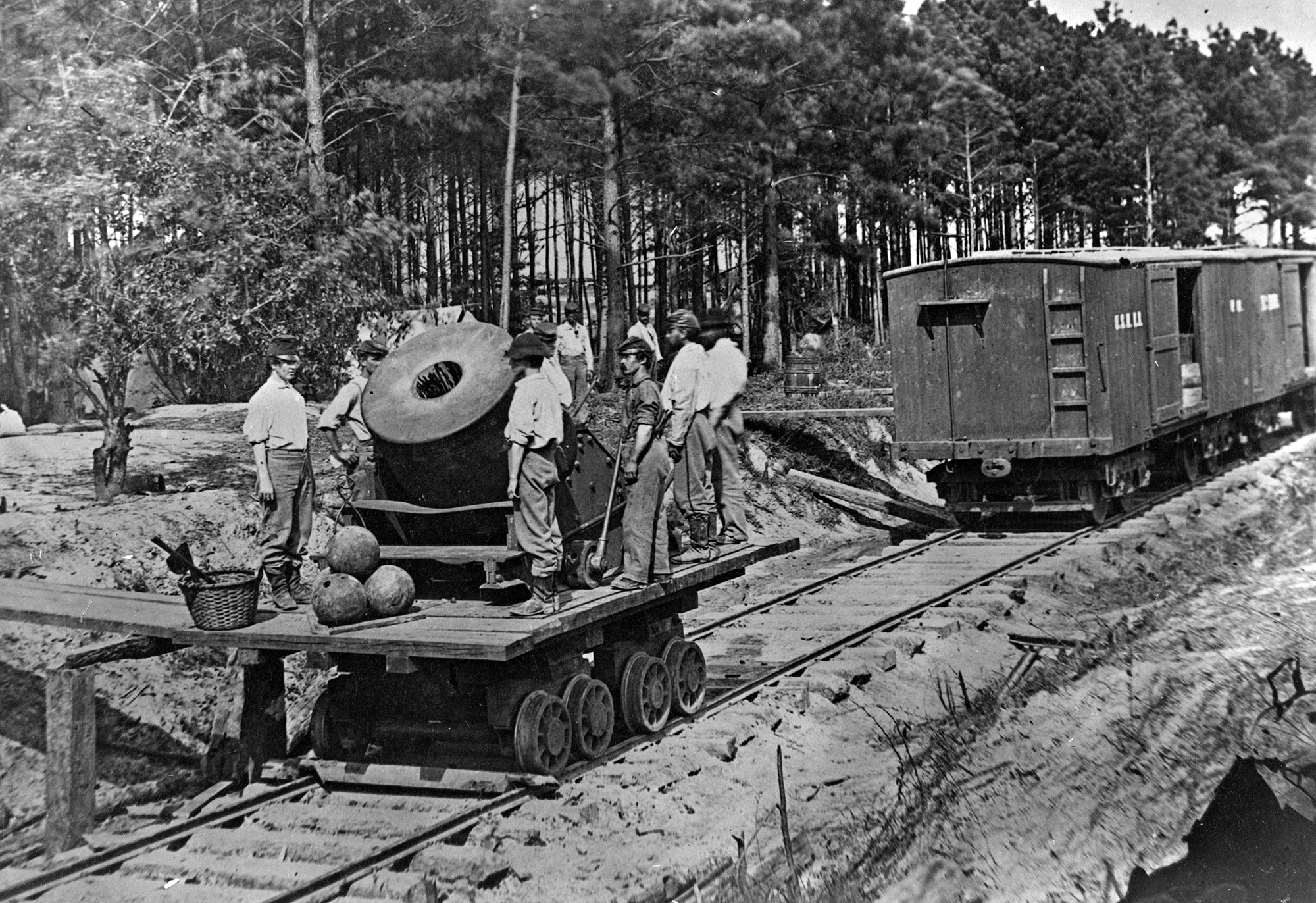 Mortar technology was not new during the Civil War but making it mobile was, as seen here with the "Dictator" near Petersburg, Virginia in 1864.
Union vs Confederacy
When discussing railroads during the Civil War their role is often overlooked. They proved a vital asset in the movement of troops and materiel, ultimately allowing the North to achieve total victory. After fighting broke out in 1861 the country had a rail network totaling more than 30,000 miles.
Of this, 21,300 miles (along with 45,000 miles of telegraph wire), or about 70%, was concentrated in the Northeast and Midwest while the Confederacy enjoyed only 9,022 miles (and 5,000 miles of telegraph wire).
Despite this discrepancy the South did command one advantage; most of its trackage was brand new at the time.
As William Thomas points out in his book, "The Iron Way: Railroads, The Civil War, And The Making Of Modern America," 75% of its lines had been constructed only in the 1850s.
The railroad may have still been a relatively new technology during the mid-19th century but the need for heavier rail, reinforced bridges, and durable rights-of-way to handle ever-increasing tonnage had become well understood by that time.
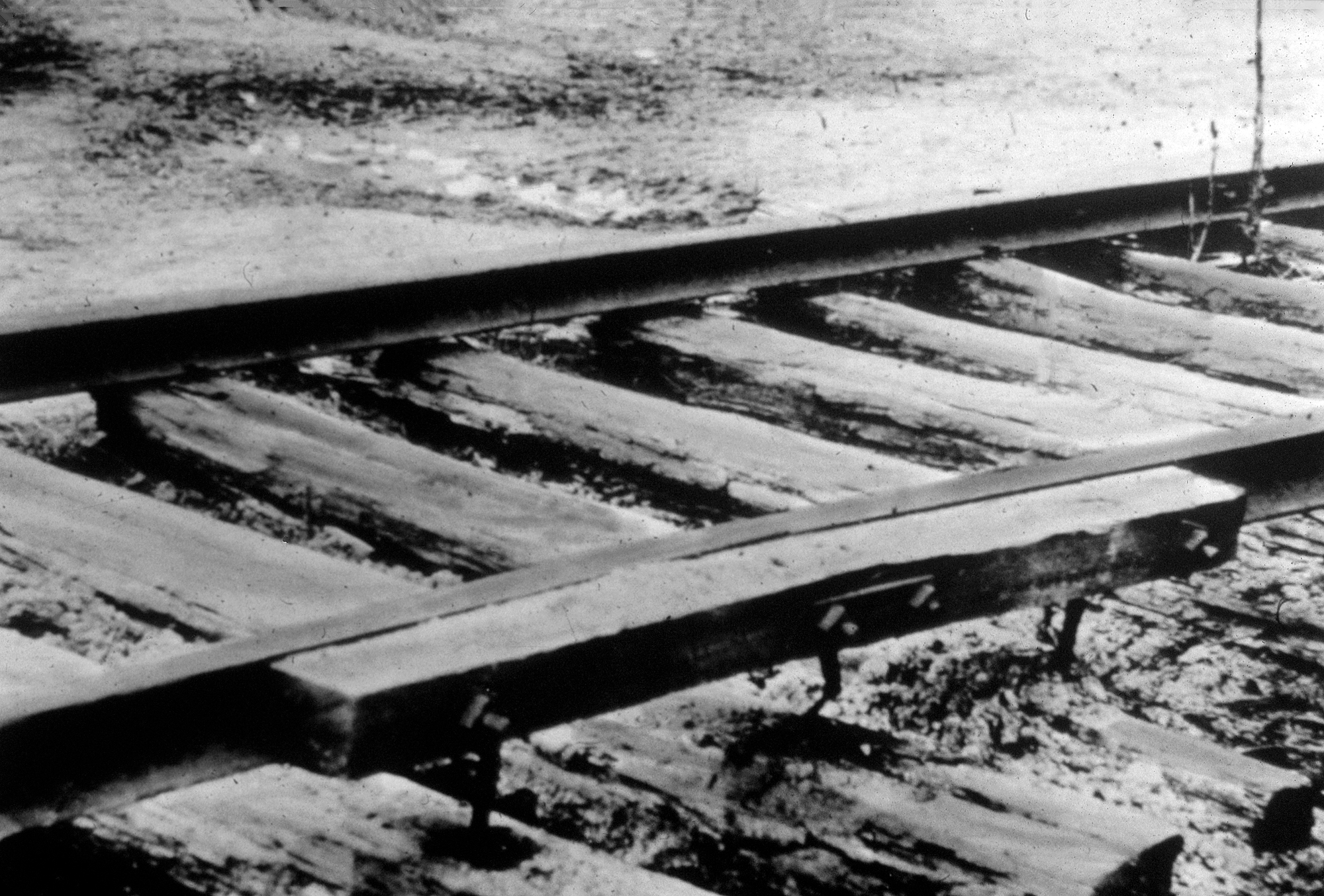 A long, roughly 4x4 block of wood which was bolted into adjacent ties and situated firmly against the outside rail offered a quick repair to a damaged or broken track. In this way it continued offering a guideway for the wheel and flange while also supporting the rail until a permanent fix could be carried out. American-Rails.com collection.
The Confederacy's lack of such infrastructure was further compounded by its inability to effectively harness the iron horse for military purposes as historian John P. Hankey articulately points out in his excellent essay from the March, 2011 issue of Trains Magazine entitled, "The Railroad War: How The Iron Road Changed The American Civil War."
For instance, Southern leaders believed civilian rail movements should take precedence over military transports.
It was not until the war's final years did the Confederacy understand the railroad's usefulness. In contrast, by 1862 the North began laying the groundwork for what became a unified and efficient transportation network.
It began with President Abraham Lincoln's signing of the Pacific Railway Act into law on July 1, 1862, authorizing construction of the Transcontinental Railroad.
The project was launched within a year and formally completed on May 10, 1869 when Union Pacific and Central Pacific met at Promontory Summit, Utah.
The idea for such a coast-to-coast railroad dated back to 1854-1855 when then-Secretary of War Jefferson Davis led surveying efforts west of the Mississippi River.
Mr. Thomas goes on to note that leaders in the North viewed railroads a bit differently than their Southern counterparts. While both understood their importance, the South saw trains as a means of maintaining slavery's status quo for economic growth.
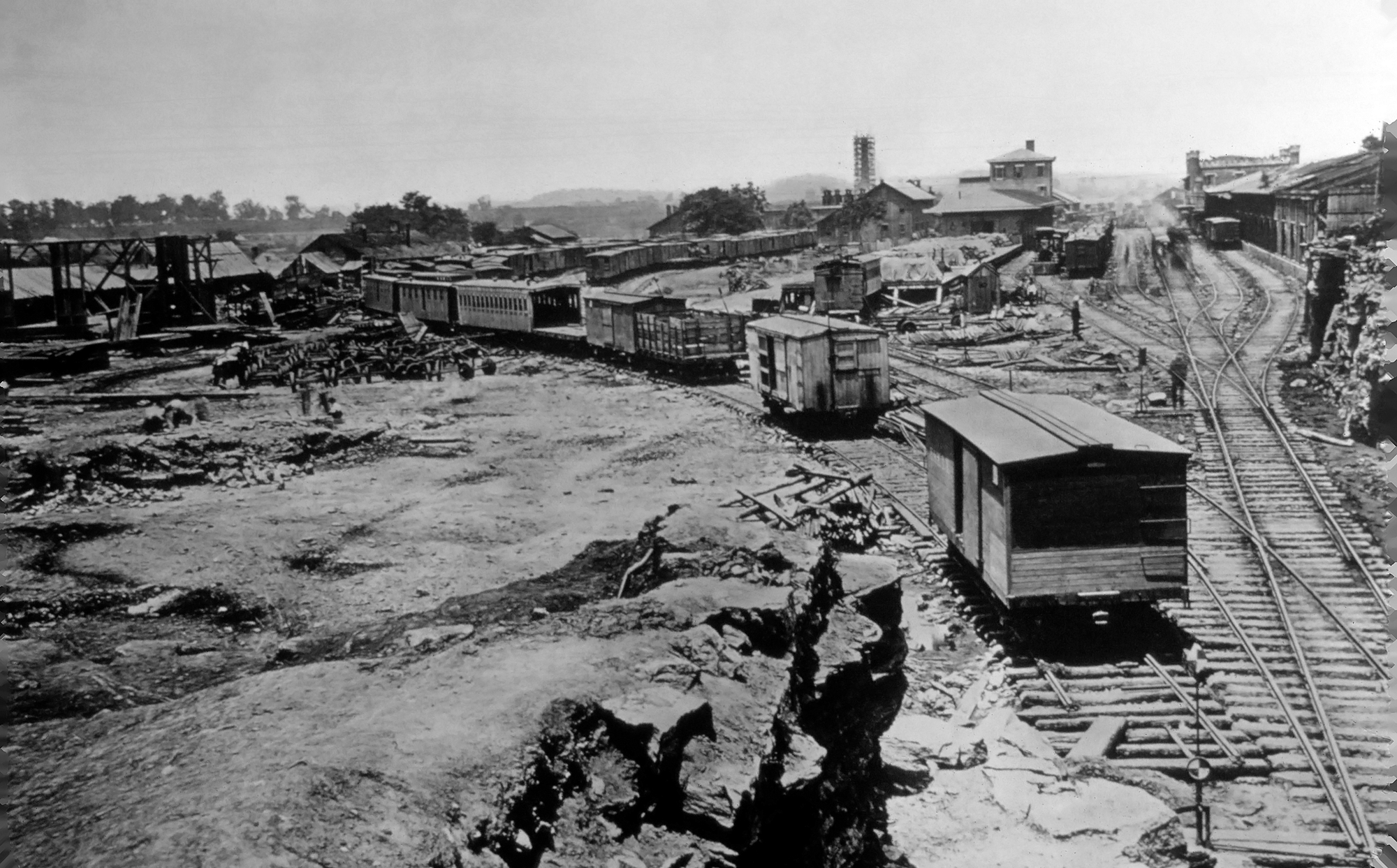 The Nashville & Chattanooga Railroad's yard and station in Nashville, Tennessee as it appeared in March, 1864. American-Rails.com collection.
By comparison, the North employed them as a means of developing new territories for trade and economic prosperity, which led to the Transcontinental Railroad's creation. There were four potential routes chosen; a northern, central, and two southern corridors.
Unfortunately, none could satisfy parities both for, and against, slavery and the plan was shelved. However, once the war broke out, states seceded, and Davis became President of the Confederate State of America, the Union was free to do as it wished.
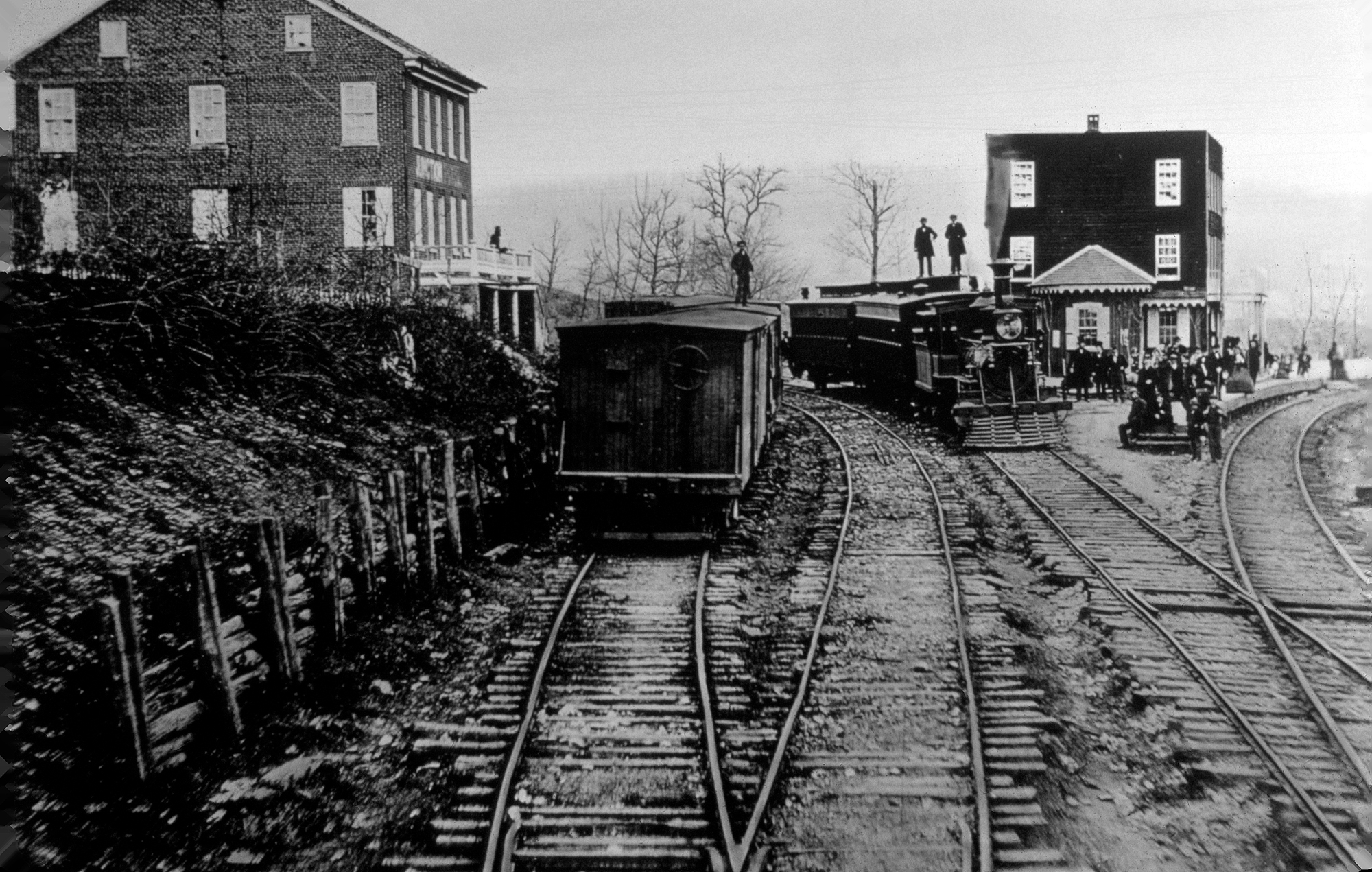 A view of Hanover Junction, Pennsylvania during November, 1863. It has been stated the individual in the background with the top hat may be President Abraham Lincoln on his way to deliver the famous Gettysburg Address although this has never been proven. Today, the station and tracks are still in use. American-Rails.com collection.
Northern leaders subsequently settled on the central route which was projected to run due west of the Missouri River at Omaha, Nebraska/Council Bluffs, Iowa and terminate at San Francisco.
While Union Pacific's and Central Pacific's project is best remembered it was not the only transcontinental project undertaken at that time.
On July 2, 1864 President Lincoln signed an updated Pacific Railroad Act into law which created the Northern Pacific Railroad Company to build a northern route into the Pacific Northwest.
The NP was dealt a series of logistical and financial problems that delayed its completion by nearly two decades.
However, once finished it too was instrumental in opening another segment of the country to economic growth. In time, three other systems reached Puget Sound; Union Pacific, Great Northern, and the Chicago, Milwaukee, St. Paul & Pacific (Milwaukee Road).
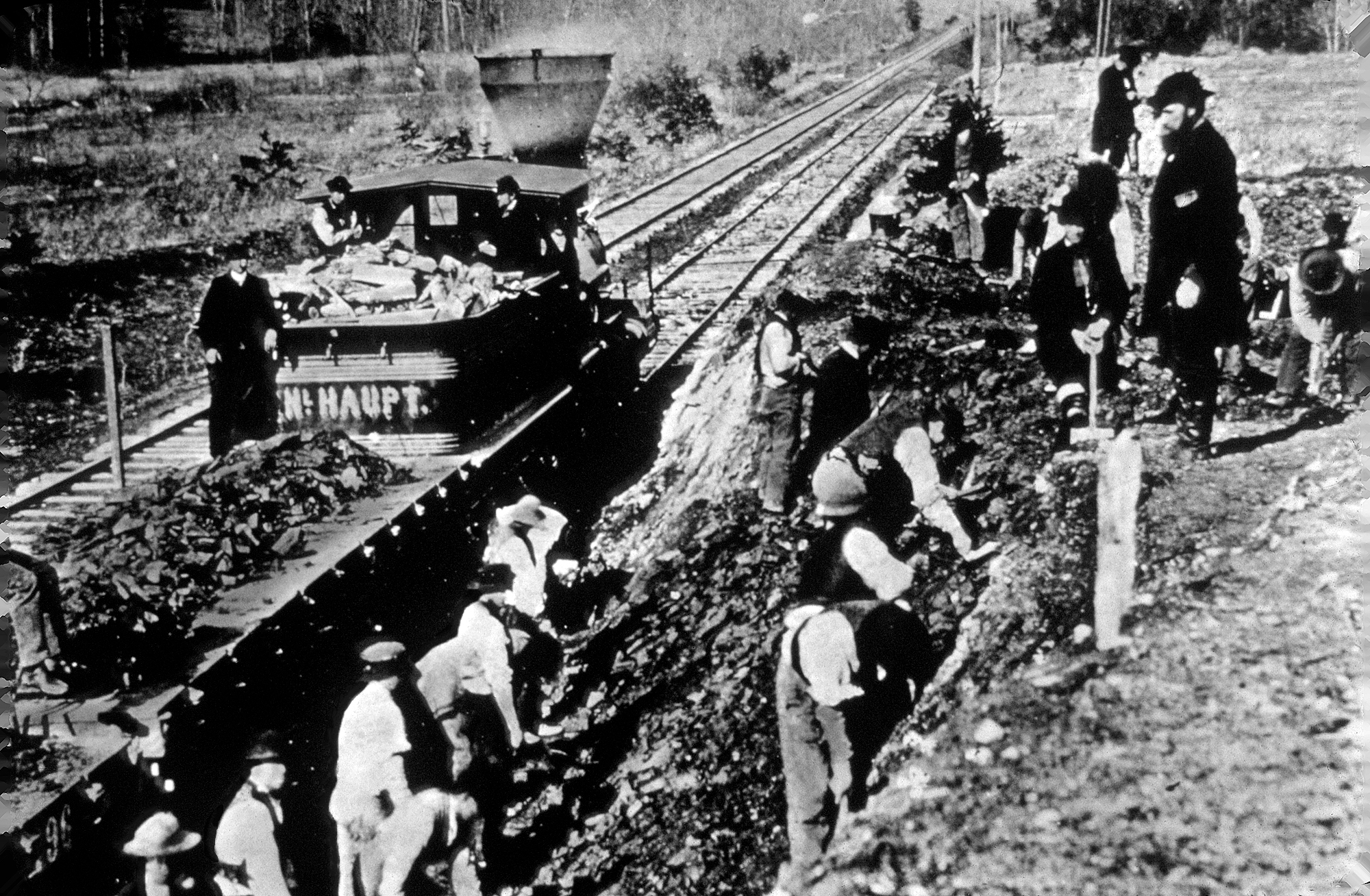 The United States Military Railroad (Union Army) carries out right-of-way repair on the Orange & Alexandria Railroad near Aquia Creek outside of Fredericksburg, Virginia in 1863. The USMR was a vital asset to the North's war strategy. American-Rails.com collection.
The original Pacific Railway Act was not the only important event of 1862; that year also witnessed creation of the United States Military Railroad.
The USMR did not take direct command of the North's rail network (Unlike a half-century later when the United State Railroad Administration operated the nation's railroads during World War I from 1917 to 1920.).
Instead, it acted as its own enterprise and made use of trackage when needed to offer the best tactical advantage. The North fully understood the railroad's importance and mobility. As Mr. Hankey notes virtually all major conflicts were located either at or near important rail junctions.
The USMR was under the command of General Daniel C. McCallum (former general manager of the Erie Railway) and General Herman Haupt (former chief engineer of the Pennsylvania Railroad).
These expert railroaders were incredibly effective at putting together a skilled workforce to maintain efficient operation. The two men were also adept at preventing field officers from interrupting everyday affairs through either meddling or special requests.
Maps
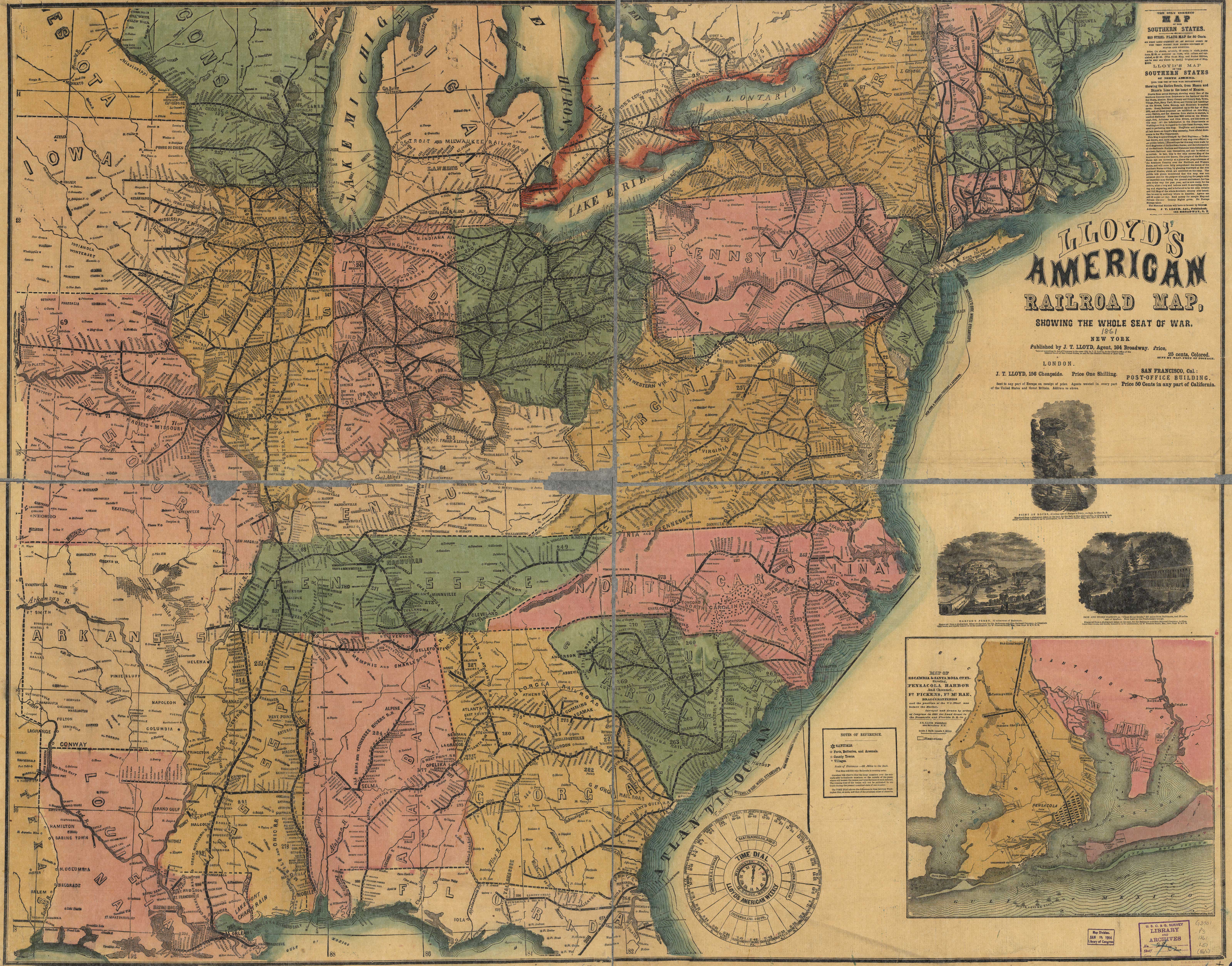
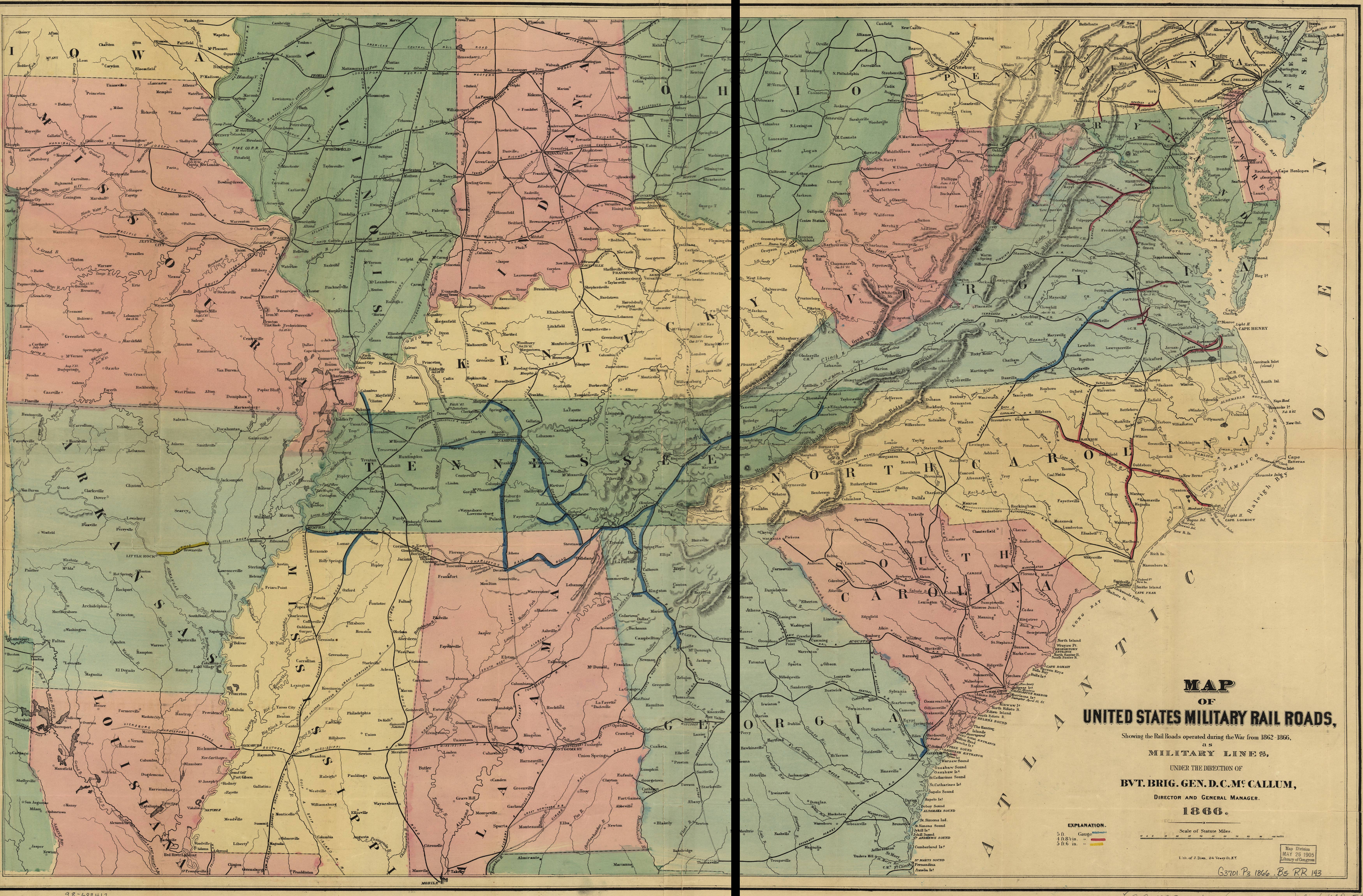
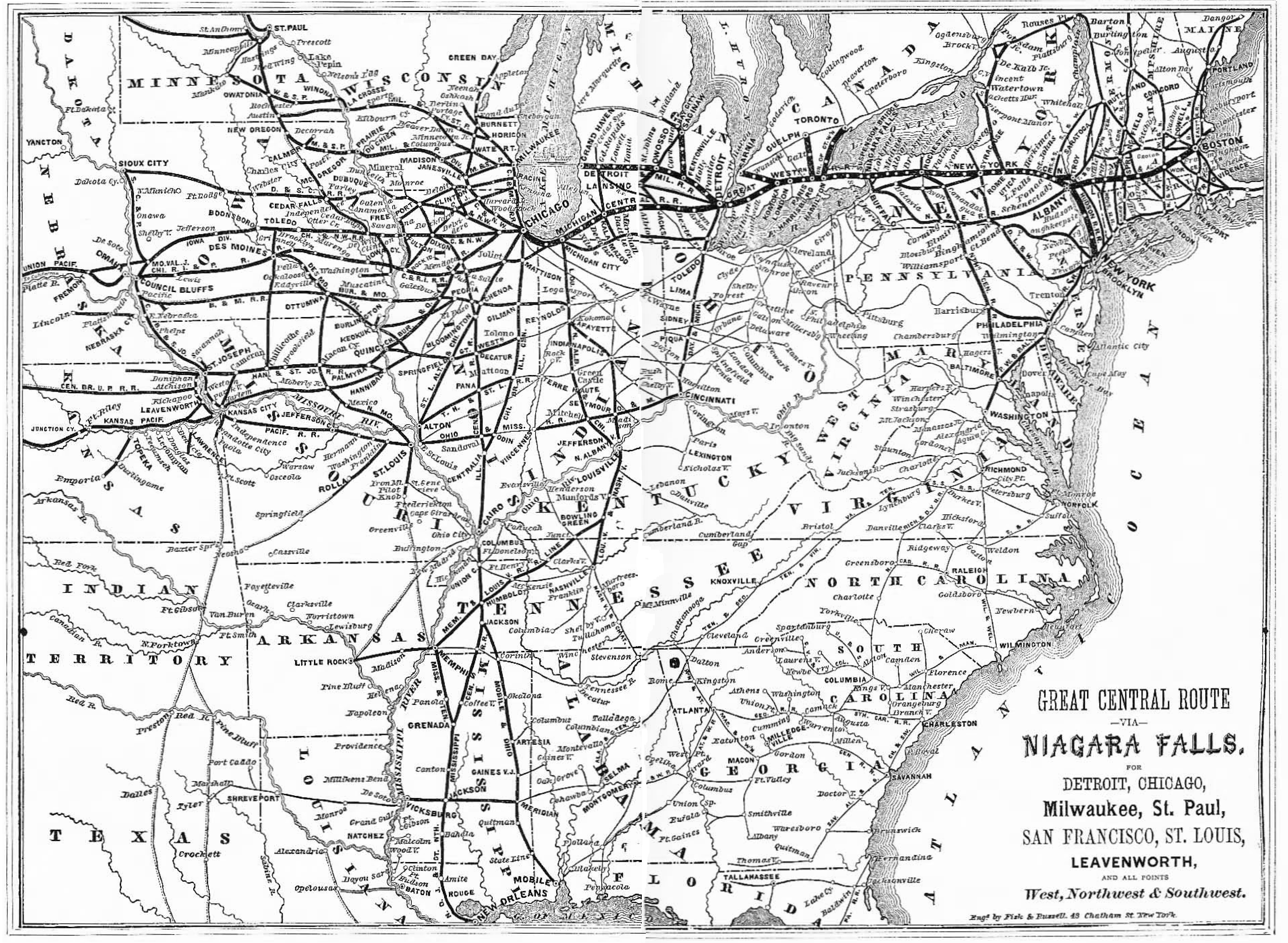
The maps featured here are historic items produced during or just after the war and housed at the Library of Congress.
The first was the work of James T. Lloyd in 1861 depicting all railroads in operation at that time; the second was authored by Julius Bien in 1866 and highlights those rail lines requisitioned by the United States Military Railroad throughout the war. Note that General McCallum's name is prominently displayed on this map.
As previously mentioned, for the significant damage Southern railroads received the B&O was also hit hard since its main line was situated right along Union and Confederate lines within the border states of Maryland and Virginia (West Virginia after 1863).
John Stover notes in his book, "The Routledge Historical Atlas Of The American Railroads," the B&O rescinded its Southern support when Confederate militia, under the command of then-Colonel Thomas "Stonewall" Jackson, laid siege to its line through Northern Virginia. He believed that by crippling B&O's network the Union could not effectively wage war.
While this tactic was unsuccessful the Confederacy did cause more than $2.5 million in damages (over $35 million in today's dollars) which required 10 months to repair. In an attempt to curb further property destruction the railroad built the first-ever armored rail car.
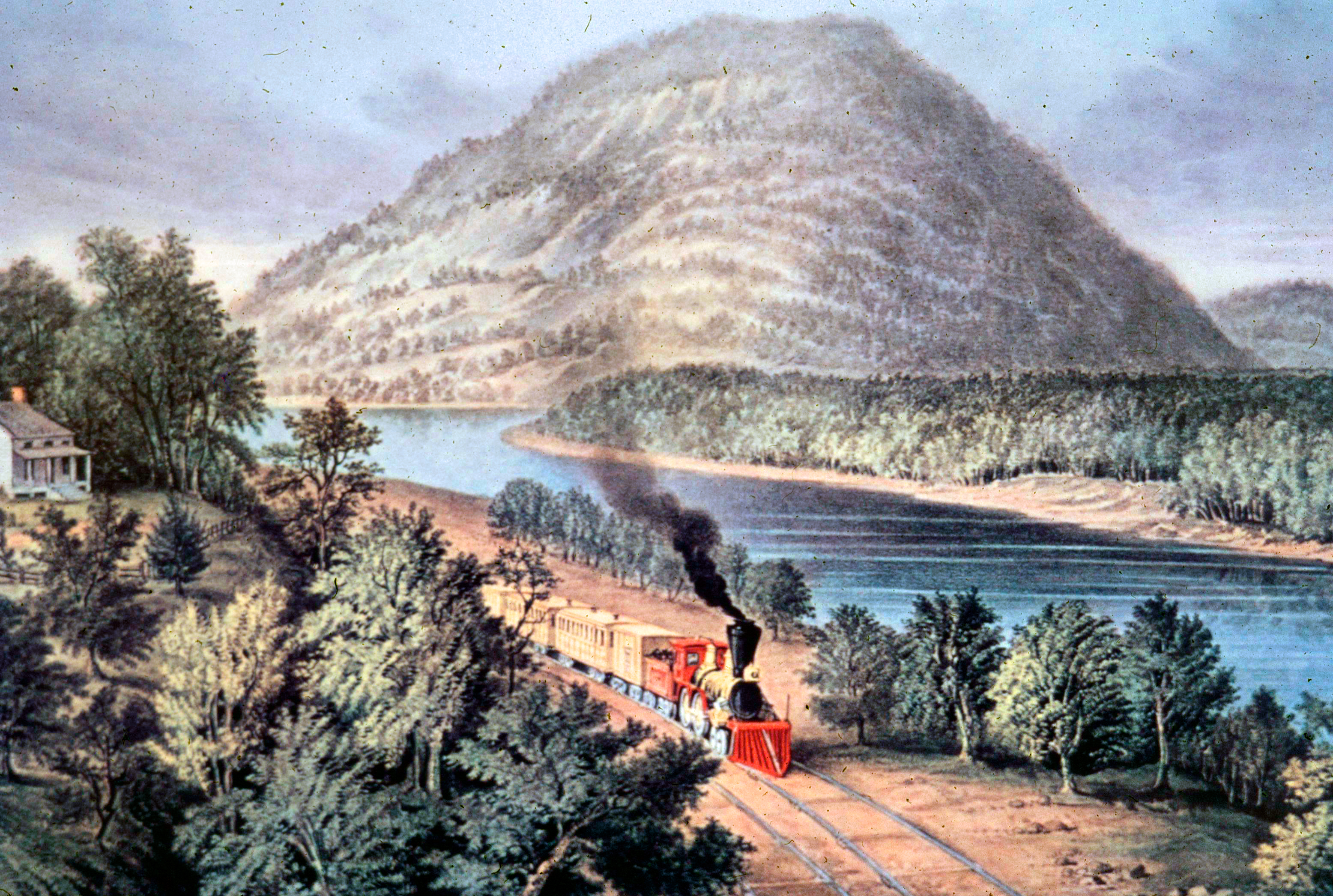 "Lookout Mountain, Tennessee, And The Chattanooga Rail Road." This 1866 lithograph from Currier & Ives features a Nashville & Chattanooga Railway train running along the Tennessee River near Chattanooga. The railroad later became the Nashville, Chattanooga & St. Louis, a future component of the Louisville & Nashville. American-Rails.com collection.
It looked quite similar to the South's famous Merrimack ironclad warship except that it rode on wheels!
Interestingly it was the very B&O that initially proved the railroad's tactical effectiveness; on June 2, 1861, more than a month prior to the war's first major engagement at the "First Battle of Bull Run" (known within the Confederacy as the "Battle of First Manassas") it transported troops from Grafton, Virginia to a location about six miles east of the city to capture the town of Philippi ("Battle of Philippi").
The speed of the movement caught Southern forces off-guard, demonstrating just what the railroad could do.
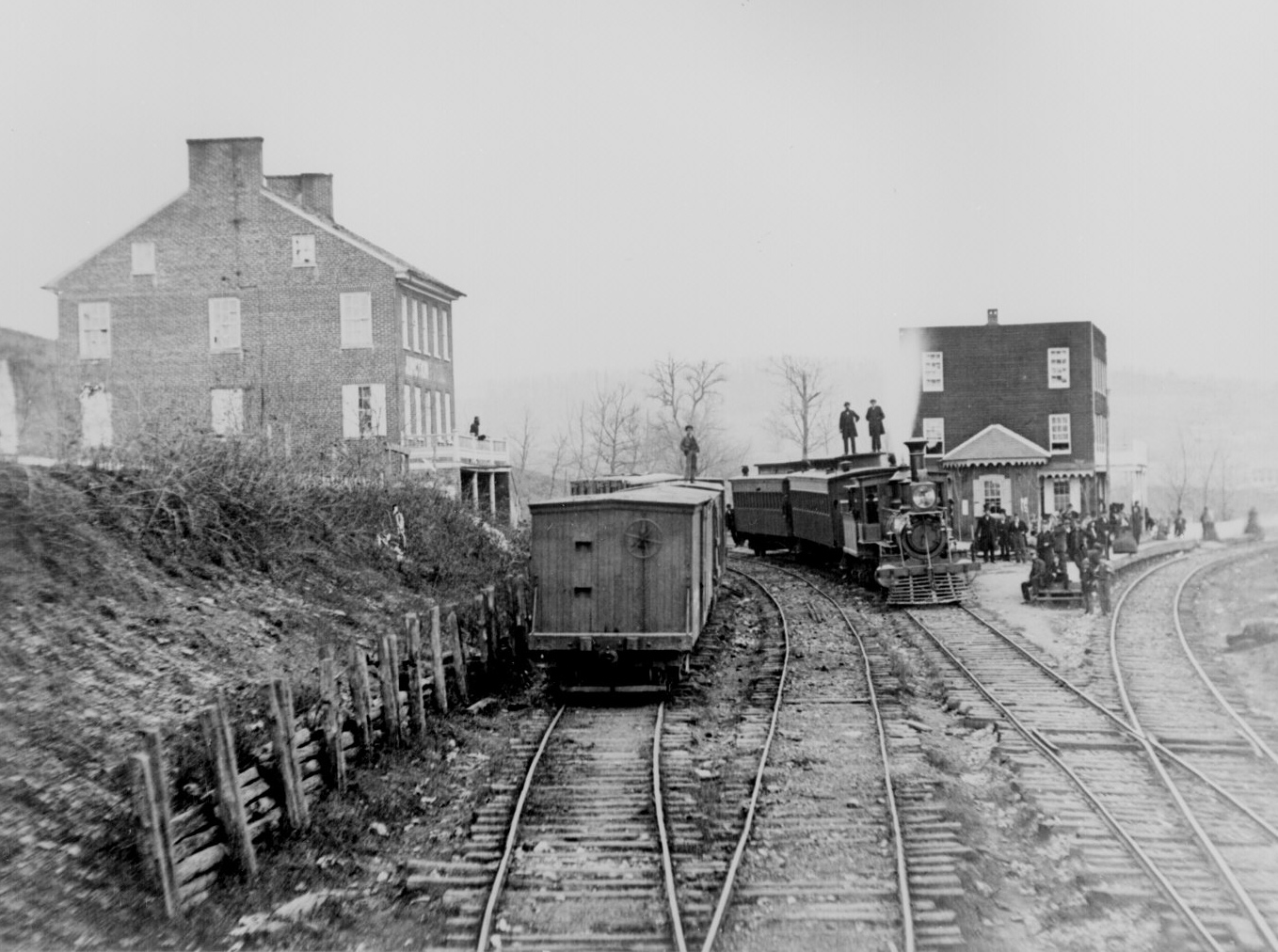 A view of Hanover Junction, Pennsylvania during November of 1863. Today, the station and tracks are still in use.
For the Union's many successes the South enjoy its own triumphs with this technology. There was the previously mentioned "Battle of First Manassas" when General Joe Johnston used the Manassas Gap Railroad to move his troops into position, eventually securing a Confederate victory.
Also, the "Battle of Chickamauga" in early September of 1863 saw a Southern victory after General James Longstreet quickly moved his force of 12,000 men from Virginia to Georgia, which bolstered Confederate lines as part of the Army of Tennessee. Thanks in large part to this effort U.S. forces were defeated after three days of fighting.
More often than not it, however, it was military strategy and not the railroad which led to Southern victory. With a belief in unilateral states' rights there was no central oversight or management of its network. By the time leaders realized this fallacy all hopes for total victory had, to a greater extent, been lost.
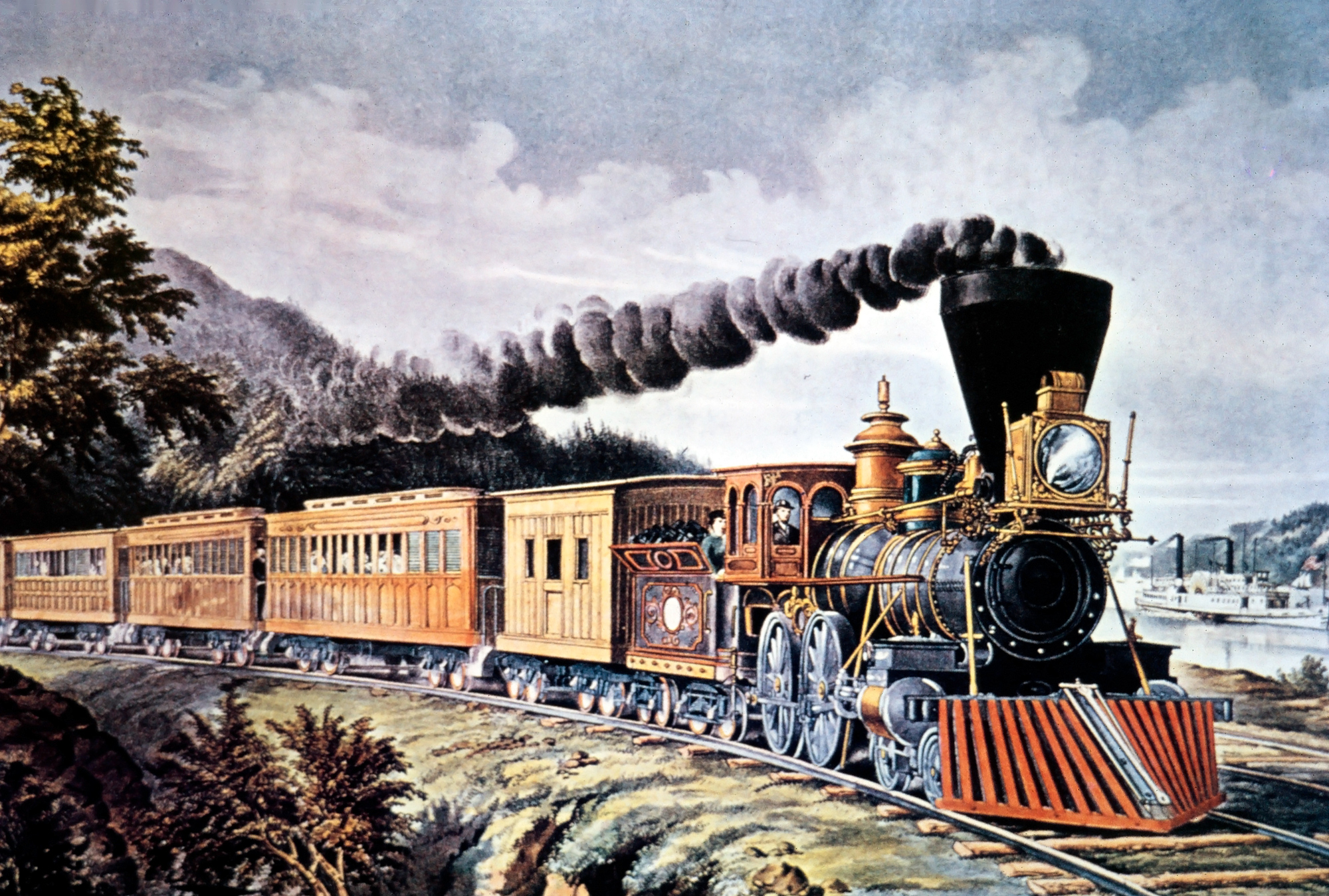 "American Express Train." An 1864 lithograph by Currier & Ives. It was also featured on the front cover of the book, "Railroads In The Days Of Steam," published in 1960. American-Rails.com collection.
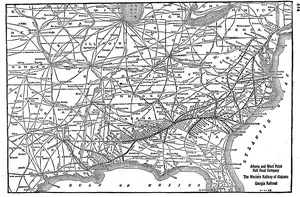
Perhaps the most famous railroading event of the war took place in the South, best remembered as the Great Locomotive Chase. It all began in April of 1862 when disguised Union soldiers stole the General, a Western & Atlantic 4-4-0 "American Type" steamer in an attempt to destroy Confederate supply lines.
Also known as the "Andrews Raid" it began at Marietta, Georgia and lasted for nearly 91 miles until a Confederate crew caught up with the locomotive near Ringgold. During the chase the Southerners used a hand-powered track car as well as the locomotives Yonah, Shorter and Texas before finally catching the raiders.
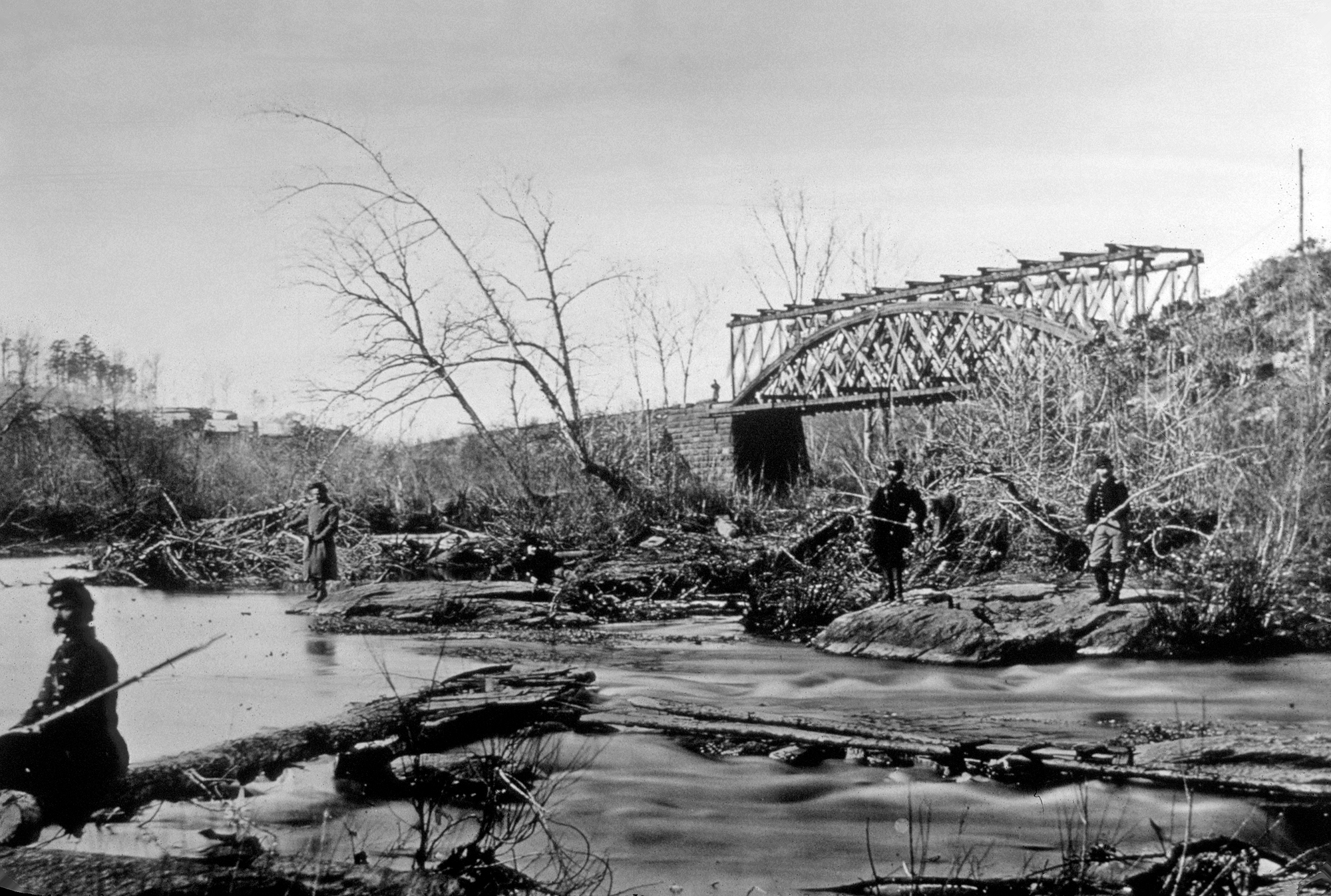 A posed but interesting scene of the Orange & Alexandria's bridge crossing Bull's Run (Virginia), circa 1863, with Union soldiers in the foreground. The span was a Haupt Truss type designed by the United States Military Railroad's General Herman Haupt. American-Rails.com collection.
The twenty-two Union soldiers attempted to flee after abandoning the General but were soon discovered. For their bravery the U.S. troops were awarded the Congressional Medal Of Honor, some posthumously.
During the war's final years Southern railroads were in such horrid condition they offered virtually no strategic military importance.
In particular was the Louisville & Nashville which saw the most destruction of any system. The Confederacy's idea to win the war had largely been predicated on outlasting its aggressor.
A similar tactic was successful just over a century later when North Vietnam caused enough American casualties during the Vietnam War to cause the U.S. government to give up.
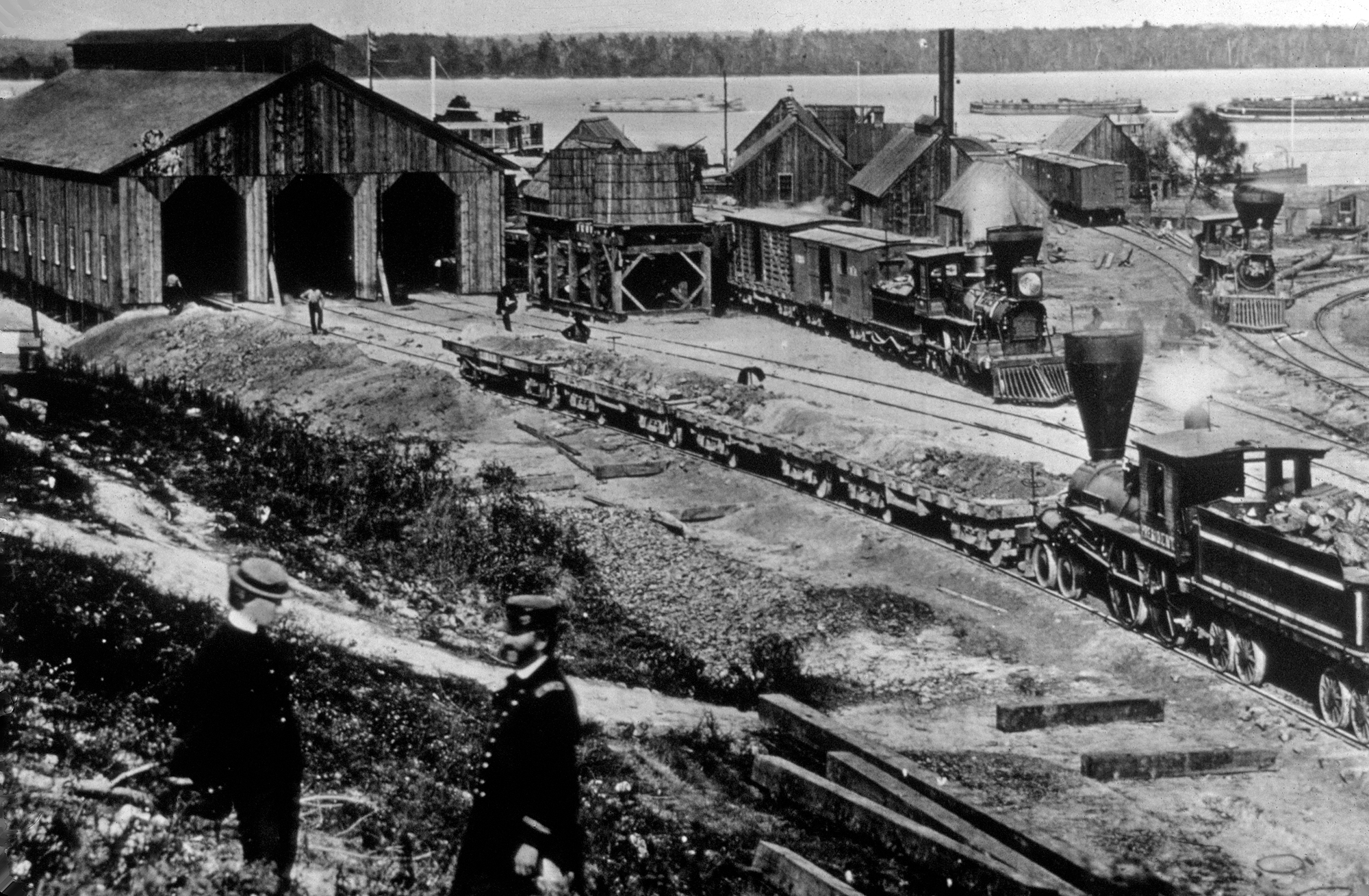 The United States Military Railroad's yard and engine house in City Point, Virginia, circa 1863. In the foreground is the 4-4-0 "President." American-Rails.com collection.
The Confederacy faced a much more determined leader in President Lincoln who, for a number of reasons, did everything within his power to reunite the country and was eventually successful in that effort.
Looking back, the South may have achieved its desired result if Lincoln had never found an effective commander.
As Mr. Hankey points out, had the U.S. lost one battle here or there it may have turned the tide. Today, this is all conjecture, of course, but the questions and rhetoric regarding such are still brought up among historians.
At A Glance
Below is an interesting set of statistics concerning Union and Confederate railroad operations during the war.
North (220,000) South (26,000) | |
North (4,000) South (400) | |
1861 ($15) 1865 ($500) |
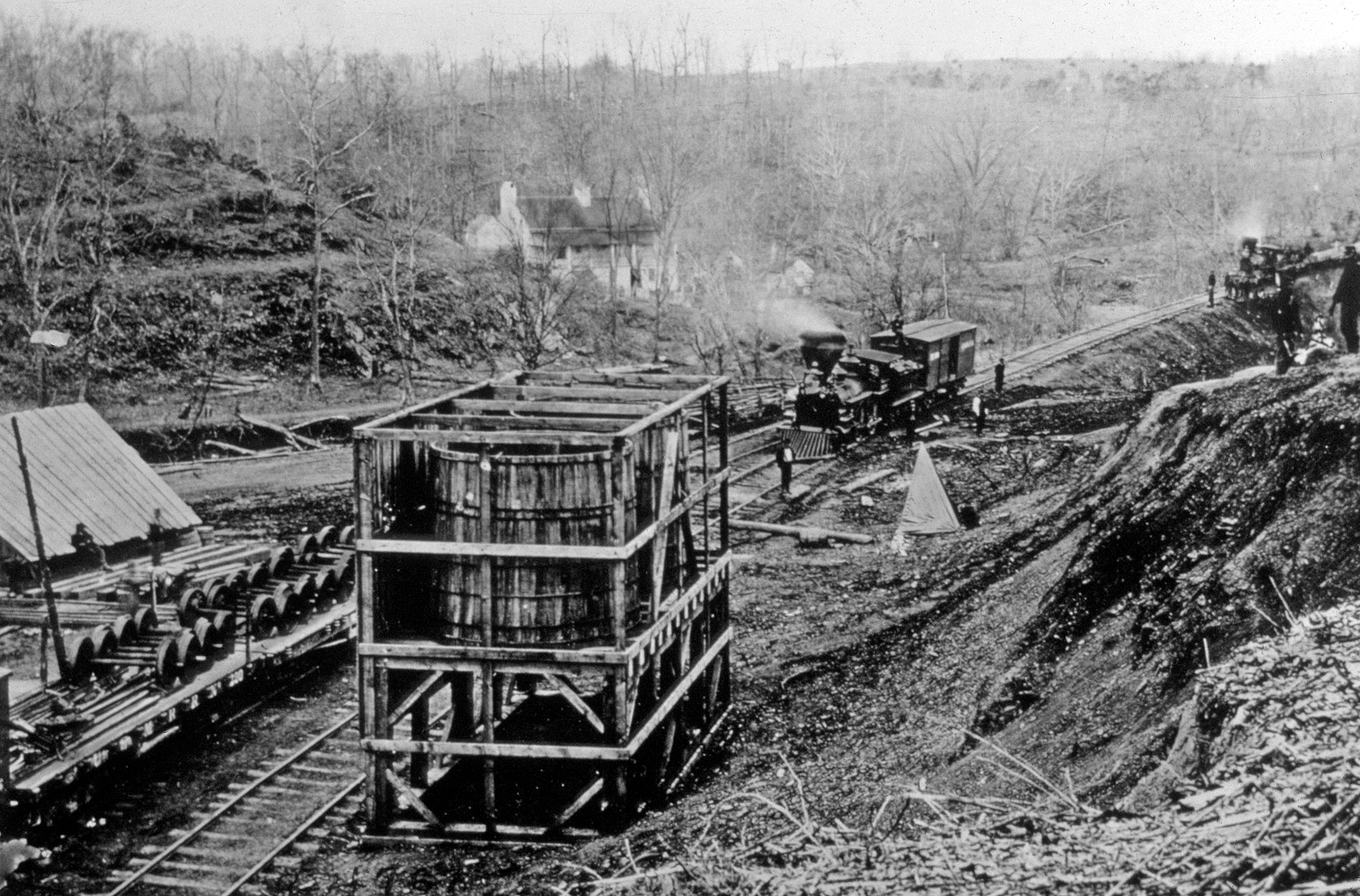 The United State Military Railroad (USMR) picks up debris following General Pope's retreat of the 2nd Battle of Bull Run at Clifton, Virginia in the fall of 1862. In the background two locomotives near Union Mills Station. American-Rails.com collection.
Postscript
While the Civil War had emotionally and physically scarred the country, the railroad paved the way for further expansion and growth after hostilities ended.
Between 1850 and 1871 the federal government offered more than 170 million acres of western land to railroads in exchange for establishing new routes between the Midwest and the west coast.
Along with the aforementioned Transcontinental Railroad the Northern Pacific, financed by banker Jay Cooke, began a northerly route from Lake Superior at Duluth, Minnesota to Seattle, Washington in 1864.
Building through the very rugged and remote regions of western Montana, northern Idaho and Washington it took NP nearly twenty years before its completion in 1883 (hampered, partially, by the financial Panic of 1873).
Finally, two major technological advances were introduced just a few years after the war; George Westinghouse's automatic air brake of 1869 and Eli Janney's automatic coupler of 1873.
These two devices were so revolutionary they remain in regular use today as the most practical and efficient way to stop a train and join/detach equipment.
As the century came to a close railroads were rapidly opening new routes, branches, and corridors throughout the country.
Even though track widths were still prolific and a standard gauge had not yet been established the 1860's did witness improved cooperation, particularly in railroads' willingness to exchange freight.
Sources
- Boyd, Jim. American Freight Train, The. Osceola: MBI Publishing, 2001.
- "The Railroad War: How The Iron Road Changed The American Civil War," by John P. Hankey (March, 2011 issue of Trains Magazine)
- "The Great Locomotive Chase" by Rosemary Entringer (May, 1956 issue of Trains Magazine)
- Prince, Richard E. Central Of Georgia Railway And Connecting Lines. Salt Lake City: Stanway - Wheelwright Printing Company, 1976.
- Stover, John. Routledge Historical Atlas of the American Railroads, The. New York: Routledge, 1999.
Recent Articles


-
Scenic Dinner Train Rides (2026): A Complete Guide
May 13, 26 01:57 PM
 Dinner trains have become a popular attraction in recent years. Here, you can find dates and locations for these events in 2025.
 -
Railroad Museums In The USA (2026): A Complete Guide
May 13, 26 01:56 PM
 Find out about all of the many railroad museums that operate around the United States, which work to keep alive our nation's history with trains.
 -
Pennsylvania "Father's Day" Train Rides
May 13, 26 12:53 PM
 This state offers a unique way to celebrate Father's Day with unforgettable train rides that combine history, stunning landscapes, and a dash of nostalgia.
 -
New York "Father's Day" Train Rides
May 13, 26 12:52 PM
 If you’re looking to make this day memorable, consider taking a scenic train ride with your dad through the beautiful landscapes of New York State.
 -
Texas Father's Day Train Rides
May 13, 26 12:50 PM
 In Texas, Father's Day can be made unique by combining the nostalgia and charm of train rides with the grandeur of the Texas landscape.
 -
Alabama - Murder Mystery - Dinner Train Rides
May 13, 26 12:49 PM
 There is currently one location in the state offering a murder mystery dinner experience, the Wales West Light Railway!
 -
Pennsylvania - Whiskey Tasting - Train Rides
May 13, 26 12:38 PM
 For whiskey aficionados and history buffs alike, a train ride through the Keystone State offering such spirits provides a unique and memorable experience.
 -
Tennessee 'Wine Tasting' Train Rides
May 13, 26 12:35 PM
 One of the most unique and enjoyable ways to savor the flavors of Tennessee’s vineyards is by train aboard the Tennessee Central Railway Museum.
 -
North Carolina 'Wine Tasting' Train Rides
May 13, 26 12:32 PM
 A noteworthy way to explore North Carolina's beauty is by hopping aboard the Great Smoky Mountains Railroad and sipping fine wine!
 -
Reading & Northern Showcases "America250" Caboose
May 13, 26 12:04 PM
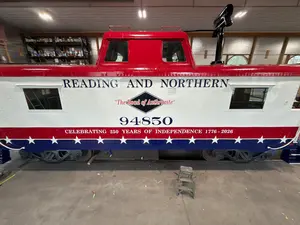
 The Reading & Northern has unveiled repainted PRR N-8 caboose #94850 in "America250" colors. The car made its first run on May 8, 2026.
 -
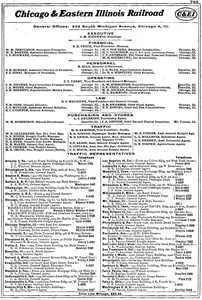
Chicago & Eastern Illinois Timetables (August, 1952)
May 13, 26 11:50 AM
 Covered here is the Chicago & Eastern Illinois Railroad's complete timetable listing from the August, 1952 edition of the "Official Guide."
 -
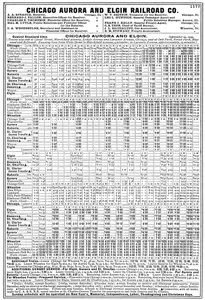
Chicago, Aurora and Elgin Timetables (March, 1940)
May 13, 26 12:03 AM
 Featured here is the Roarin' Elgin's single page timetable listing from the March, 1940 issue of the "Official Guide Of The Railways."
 -
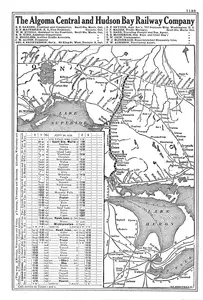
Algoma Central Railway Timetables (March, 1940)
May 12, 26 11:51 PM
 Highlighted here is the Algoma Central Railway's single page timetable listing in the March, 1940 edition of the "Official Guide."
 -
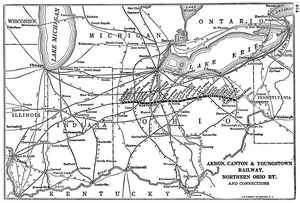
Akron, Canton & Youngstown Timetables (March, 1940)
May 12, 26 10:45 PM
 Featured here is the Akron, Canton & Youngstown's brief timetable listing in the "Official Guide" from the March, 1940 edition.
 -
Minnesota 'Dinner Train' Rides At Duluth
May 12, 26 12:47 PM
 One of the best ways to feel the region's history in motion today is aboard the North Shore Scenic Railroad (NSSR), which operates out of Duluth’s historic depot.
 -
Maryland 'Dinner Train' Rides At Walkersville
May 12, 26 12:45 PM
 While WSRR runs a variety of seasonal and special trains, one of its most appealing “date night” offerings is the Valentine’s Dinner Train, a romantic two-hour ride built around classic railroad ambia…
 -
Utah 'Murder Mystery' Dinner Train Rides
May 12, 26 12:43 PM
 This article highlights the murder mystery dinner trains currently avaliable in the state of Utah!
 -
Rhode Island 'Murder Mystery' Dinner Train Rides
May 12, 26 12:41 PM
 Let's dive into the enigmatic world of murder mystery dinner train rides in Rhode Island, where each journey promises excitement, laughter, and a challenge for your inner detective.
 -
Nevada 'Wine Tasting' Train Rides
May 12, 26 12:20 PM
 While it may not be the first place that comes to mind when you think of wine, you can sip this delight by train in Nevada at the Nevada Northern Railway.
 -
New Hampshire "Wine Tasting" Train Rides
May 12, 26 12:18 PM
 This article details New Hampshire's most enchanting wine tasting trains, where every sip is paired with breathtaking views and a touch of adventure.
 -
New Jersey 'Wine Tasting' Train Rides
May 12, 26 12:17 PM
 If you're seeking a unique outing or a memorable way to celebrate a special occasion, wine tasting train rides in New Jersey offer an experience unlike any other.
 -
West Pointe Route Timetables (August, 1952)
May 11, 26 08:23 PM
 Included here is the complete West Point Route timetables, including the Georgia Railroad, from the August, 1952 edition of the "Official Guide."
 -
Virginian Railway Timetables (August, 1952)
May 11, 26 04:27 PM
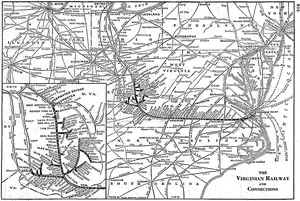
 Included here is the Virginian Railway's complete system map and brief timetable listing from the August, 1952 edition of the "Official Guide."
 -
RF&P Railroad Timetables (August, 1952)
May 11, 26 02:21 PM
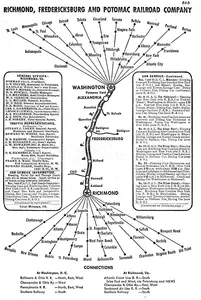
 Featured here is the Richmond, Frederickburg & Potomac's public timetables from the August, 1952 edition of the "Official Guide."
 -
Missouri 'Wine Tasting' Train Rides
May 11, 26 12:20 PM
 The fusion of scenic vistas, historical charm, and exquisite wines is beautifully encapsulated in Missouri's wine tasting train experiences.
 -
Minnesota 'Wine Tasting' Train Rides
May 11, 26 12:19 PM
 This article takes you on a journey through Minnesota's wine tasting trains, offering a unique perspective on this novel adventure.
 -
Alabama - Whiskey Tasting - Train Rides
May 11, 26 12:14 PM
 With a little planning, you can build a memorable whiskey-and-rails getaway in the Heart of Dixie.
 -
Washington 'Murder Mystery' Dinner Train Rides
May 11, 26 12:11 PM
 This article delves into what makes murder mystery dinner train rides in Washington State such a captivating experience.
 -
Nevada 'Murder Mystery' Train Rides
May 11, 26 12:09 PM
 Seamlessly blending the romance of train travel with the allure of a theatrical whodunit, these excursions promise suspense, delight, and an unforgettable journey through Nevada’s heart.
 -
Kentucky 'Murder Mystery' Dinner Train Rides
May 11, 26 12:06 PM
 In the realm of unique travel experiences, Kentucky offers an enchanting twist that entices both locals and tourists alike: murder mystery dinner train rides.
 -
Original Norfolk Southern Timetables (January, 1930)
May 11, 26 10:06 AM
 Featured here is the complete timetable listing of the original Norfolk Southern Railway from the January, 1930 edition of the "Official Guide."
 -
Atlantic and Danville Railway: Serving Southern VA
May 11, 26 09:50 AM
 The Atlantic and Danville Railway (reporting mark AD), often referred to in its early years as the Atlantic & Danville Railroad, stands as a quintessential example of late-19th-century American railro…
 -
Interstate Railroad Timetables (January, 1910)
May 11, 26 09:25 AM
 Featured here is the Interstate Railroad's very brief timetable listing from the January, 1910 edition of the "Official Guide Of The Railways."
 -
Virginia "Whiskey Tasting" Train Rides
May 10, 26 01:01 PM
 Among the Virginia Scenic Railway's most popular specialty excursions is the “Bourbon & BBQ” tasting train, an adults-oriented rail journey that pairs scenic views of the Shenandoah Valley wit…
 -
Tennessee 'Whiskey Tasting' Train Rides
May 10, 26 12:58 PM
 Here’s what to know, who to watch, and how to plan an unforgettable rail-and-whiskey experience in the Volunteer State.
 -
New York 'Dinner Train' Rides In The Adirondacks
May 10, 26 12:51 PM
 Operating over a restored segment of the former New York Central’s Adirondack Division, the Adirondack Railroad has steadily rebuilt both track and public interest in passenger rail across the region.
 -
West Virginia 'Murder Mystery' Dinner Train Rides
May 10, 26 12:45 PM
 For those looking to combine the allure of a train ride with an engaging whodunit, the murder mystery dinner trains offer a uniquely thrilling experience.
 -
Kansas 'Murder Mystery' Dinner Train Rides
May 10, 26 12:26 PM
 Kansas, known for its sprawling wheat fields and rich history, hides a unique gem that promises both intrigue and culinary delight—murder mystery dinner trains.
 -
Florida 'Murder Mystery' Dinner Train Rides
May 10, 26 12:21 PM
 Florida, known for its vibrant culture, dazzling beaches, and thrilling theme parks, also offers a unique blend of mystery and fine dining aboard its murder mystery dinner trains.
 -
Florida East Coast Timetables (January, 1930)
May 09, 26 11:55 PM
 Featured here is the Florida East Coast Railway's listing in the "Official Guide" from January, 1930 when the system still reached Key West.
 -
Clinchfield Railroad Timetables (August, 1952)
May 09, 26 01:28 PM
 Featured here is the Clinchfield's brief listing from the August, 1952 edition of the "Official Guide Of The Railways."
 -
California 'Beer Tasting' Train Rides
May 09, 26 10:58 AM
 While the Niles Canyon Railway is known for family-friendly weekend excursions and seasonal classics, one of its most popular grown-up offerings is Beer on the Rails.
 -
New Jersey 'Beer Tasting' Train Rides
May 09, 26 10:49 AM
 On select dates, the Woodstown Central Railroad pairs its scenery with one of South Jersey’s most enjoyable grown-up itineraries: the Brew to Brew Train.
 -
New Hampshire 'Murder Mystery' Dinner Train Rides
May 09, 26 10:32 AM
 The state's murder mystery trains stand out as a captivating blend of theatrical drama, exquisite dining, and scenic rail travel.
 -
North Carolina 'Dinner Train' Rides At Spencer
May 09, 26 10:26 AM
 Tucked into the Piedmont town of Spencer, the North Carolina Transportation Museum is the kind of place that feels less like a typical museum and more like a living rail yard that never quite stopped…
 -
Tennessee 'Dinner Train' Rides At TVRM
May 09, 26 10:16 AM
 Tucked into East Chattanooga, the Tennessee Valley Railroad Museum (TVRM) is less a “museum you walk through” and more a railroad you step aboard.
 -
Pennsylvania 'Dinner Train' Rides At Boyertown
May 09, 26 10:02 AM
 With beautifully restored vintage equipment, carefully curated menus, and theatrical storytelling woven into each trip, the Colebrookdale Railroad offers far more than a simple meal on rails.
 -
New York 'Murder Mystery' Dinner Train Rides
May 09, 26 09:54 AM
 New York State, renowned for its vibrant cities and verdant countryside, offers a plethora of activities for locals and tourists alike, including murder mystery train rides!
 -
Central of Georgia Timetables (August, 1952)
May 08, 26 11:51 PM
 Featured is the Central of Georgia Railway's complete timetable listing from the August, 1952 edition of the "Official Guide Of The Railways."
 -
Pittsburgh & West Virginia Timetables (September, 1937)
May 08, 26 11:30 PM
 Presented here is the Pittsburgh & West Virginia's public timetables listed in the September, 1937 issue of the "Official Guide."



%20carries%20out%20right-of-way%20repair%20on%20the%20Orange%20%26%20Alexandria%20Railroad%20near%20Aquia%20Creek%20outside%20of%20Fredericksburg%2C%20Virginia%20in%201863.%20%20The%20USMR%20was%20a%20vital%20asset%20to%20the%20North's%20war%20strategy.%20%20American-Rails.com%20collection.)


%2C%20circa%201863%2C%20with%20Union%20soldiers%20in%20the%20foreground.%20%20The%20span%20was%20a%20Haupt%20Truss%20type%20designed%20by%20the%20United%20States%20Military%20Railroad's%20General%20Herman%20Haupt.%20%20American-Rails.com%20collection.)

%20picks%20up%20debris%20following%20General%20Pope's%20retreat%20of%20the%202nd%20Battle%20of%20Bull%20Run%20at%20Clifton%2C%20Virginia%20in%20the%20fall%20of%201862.%20%20In%20the%20background%20two%20locomotives%20near%20Union%20Mills%20Station.%20%20American-Rails.com%20collection.)