
CSX Transportation (Railroad): Map, History, Logo
Last revised: February 22, 2025
By: Adam Burns
CSX Transportation (it’s name deriving with the “C” standing for
Chessie, “S” for Seaboard, and “X” an all-encompassing multiplication symbol that
“together we are so much more”) is the railroad division of CSX Corporation.
The latter was originally created in 1980 as a holding company for several subsidiaries. Today, its system comprises some 21,000 route miles with more than 36,000 employees.
It ranks third among Class I's with $10.6 billion in annual revenue as of 2020. However, the road has had a somewhat tumultuous history during its past 30+ years of operation.
It has been criticized extensively for various decisions carried out over its network in regards to abandonment of property, cutbacks in other areas, and a general lack of living up to its predecessor's standards.
Historically, the road can trace its roots to America's first common-carrier, the Baltimore & Ohio while other parts of its ancestry include the Chesapeake & Ohio, Western Maryland, Seaboard Air Line, Atlantic Coast Line, Louisville & Nashville, and Clinchfield.
Photos
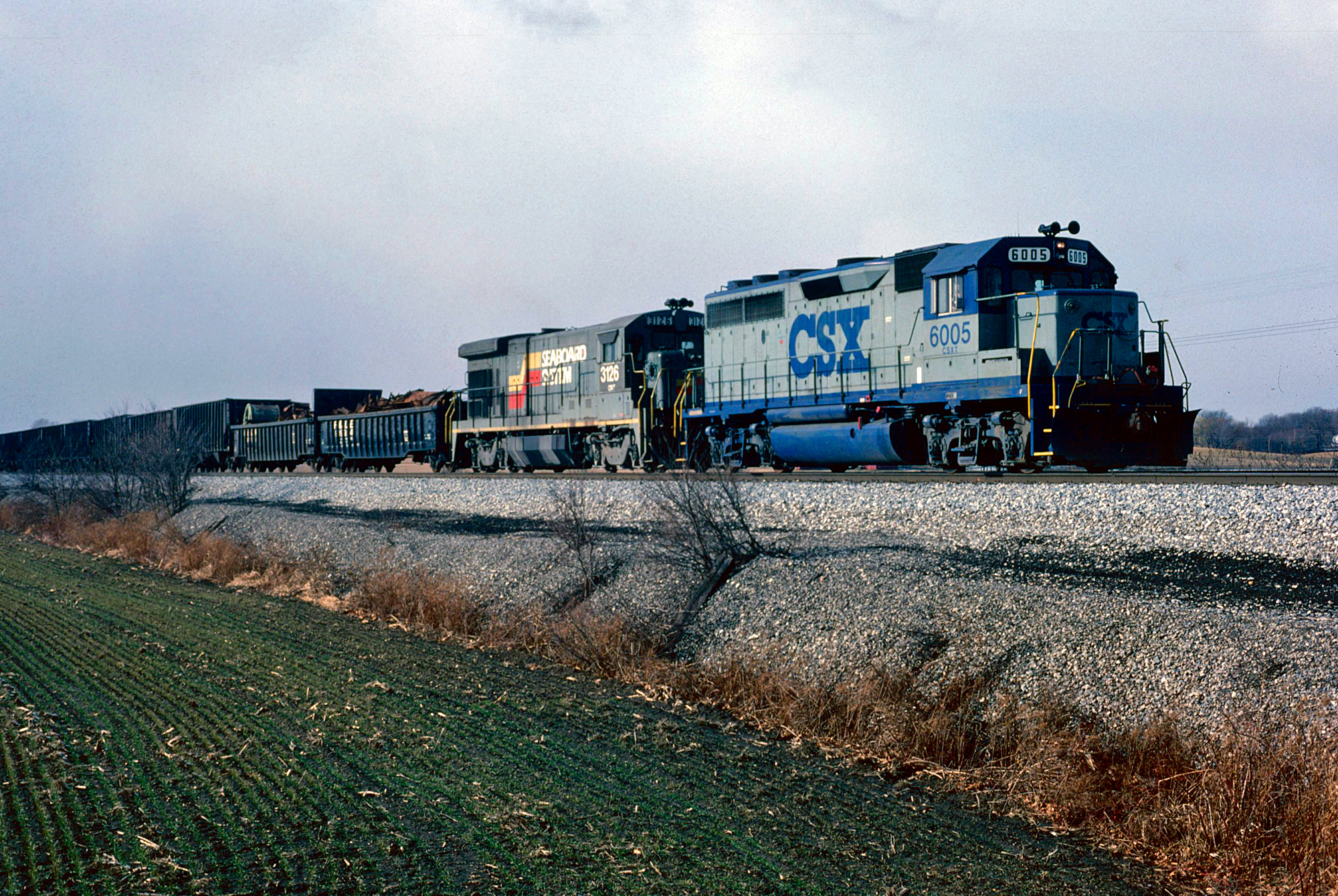 It's the early CSX era as GP40-2 #6005 (ex-Baltimore & Ohio #4104) and B23-7 #3126 are eastbound near Rittman, Ohio; January 2, 1989. Frank Novak photo. American-Rails.com collection.
History
CSX Transportation's corporate history as a stand-alone railroad has only entered its fourth decade, relatively young by industry standards.
Its creation was brought about by the formation of CSX Corporation on November 1, 1980, a holding company which controlled rail and non-rail assets.
As the formal union of what as then Chessie System and Seaboard System slowly came together during the 1980s, CSX Transportation (CSXT) was born on July 1, 1986 to operate the company's railroad division.
While the southern roads were merged into their holding company on December 29, 1982 (Seaboard System, whose name disappeared with CSXT's creation) the Chessie System roads had only operated under the guise of that name since its 1973 creation.
According to Trains Magazine, the Western Maryland was the first to disappear, merged into the B&O on May 1, 1983.
The B&O and C&O survived as "paper" companies for nearly a year into the CSXT era: B&O vanished into the C&O on April 30, 1987 (ironically it had just celebrated its 160th birthday on April 24th).
Finally, the C&O was formally dissolved as a corporate entity on August 31, 1987.
At A Glance
After the merger proceedings of the 1980s were complete, the new railroad became the largest east of the Mississippi, dwarfing the then recently formed Consolidated Rail Corporation ("Conrail," a government created and financed entity to restore order to the northeastern rail market that went belly-up after the Penn Central disaster), Norfolk & Western, and Southern.
The latter two roads merged a few years later in 1982 to form Norfolk Southern although the NS of that time remained much smaller than its rival.
However, unlike the Chessie System, which was an efficiently operated and well-managed railroad these practices never truly carried on into the new company.
Despite the fact that CSX Transportation was much larger than NS, the latter consistently earned higher profits with an overall lower operating ratio. As an NS employee once stated, “If CSX ever learns how to run a railroad we could be in real trouble.”
In addition, after Hays T. Watkins (the railroad's first chairman) left CSXT in 1988 the railroad seemingly lacked an effective management system until the mid-2000s.
Today, it is coming on strong as one of the most efficiently operated railroads in the country (as of mid-2010 it posted its lowest operating ratio ever).
Map
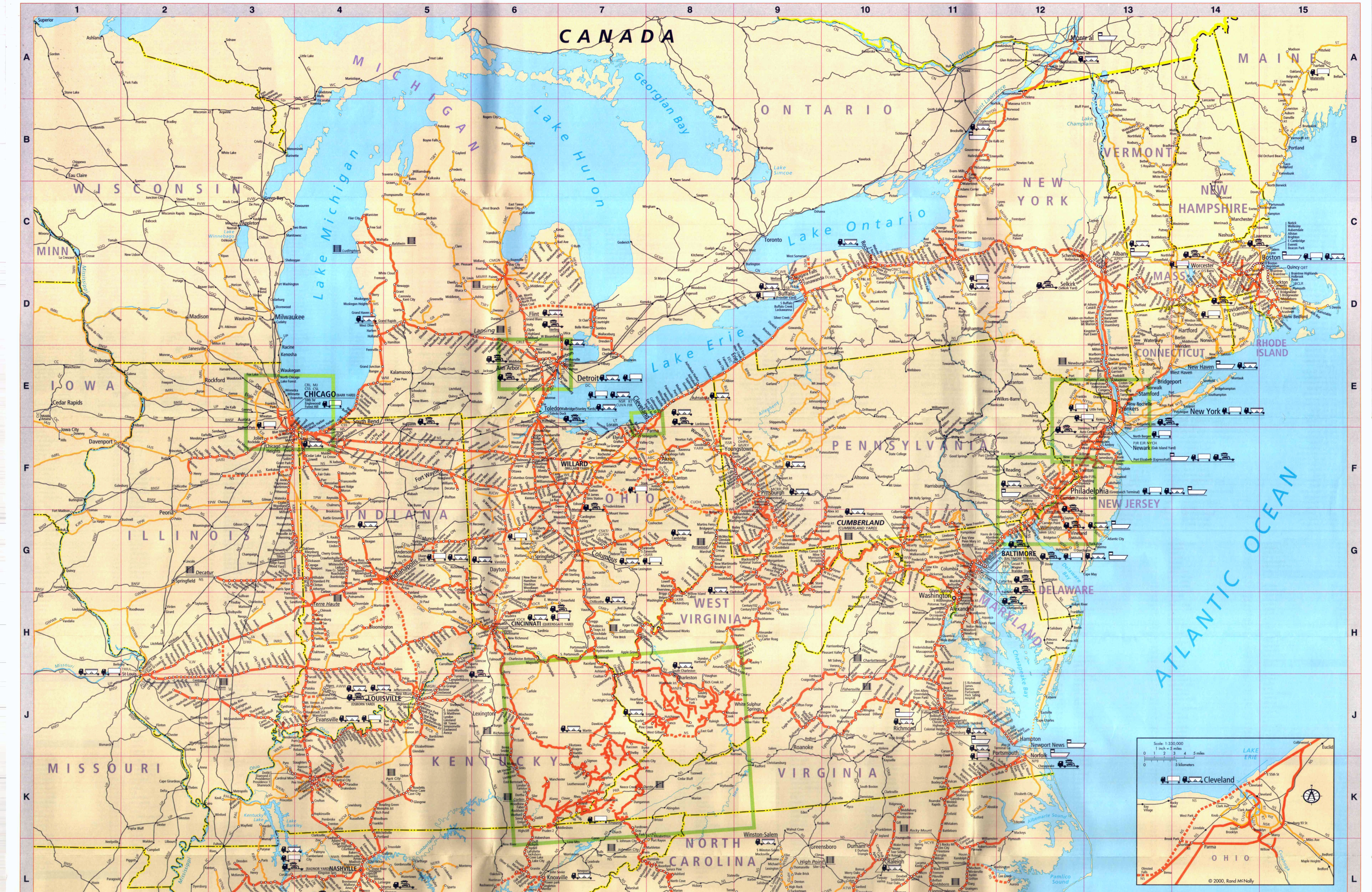
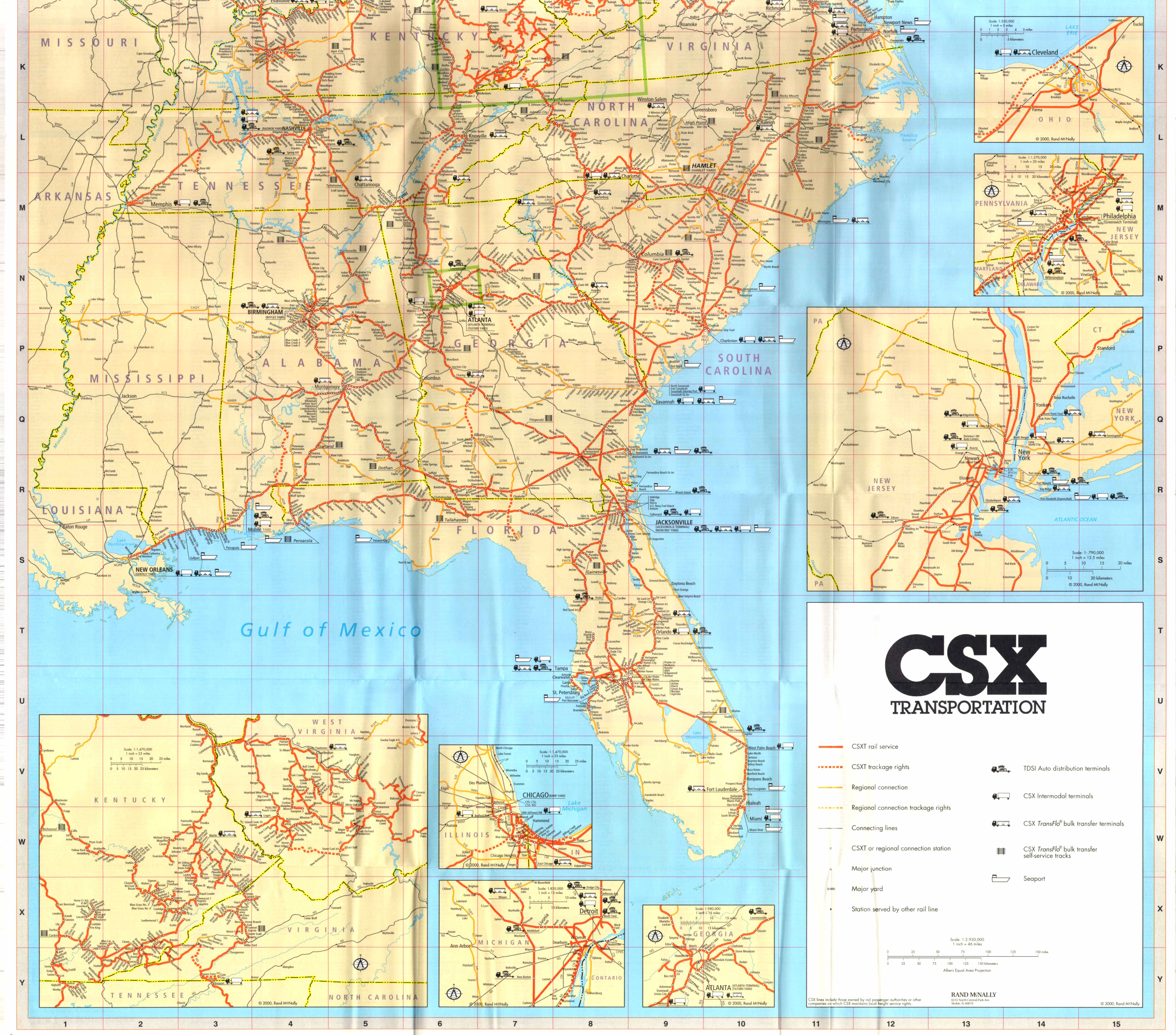
While CSXT never suffered from the corporate culture issues Penn Central experienced with its employees, it still struggled to find an identity.
It has long been stated that former Seaboard and Chessie people did not see eye-to-eye on many things and this carried over into the corporate logo.
There was no general agreement about what this should be or how it would appear. Tom Dixon states in his book, "The Chessie Era," that at first the new company had absolutely no plans to use the initials "CSX" on its locomotives or equipment.
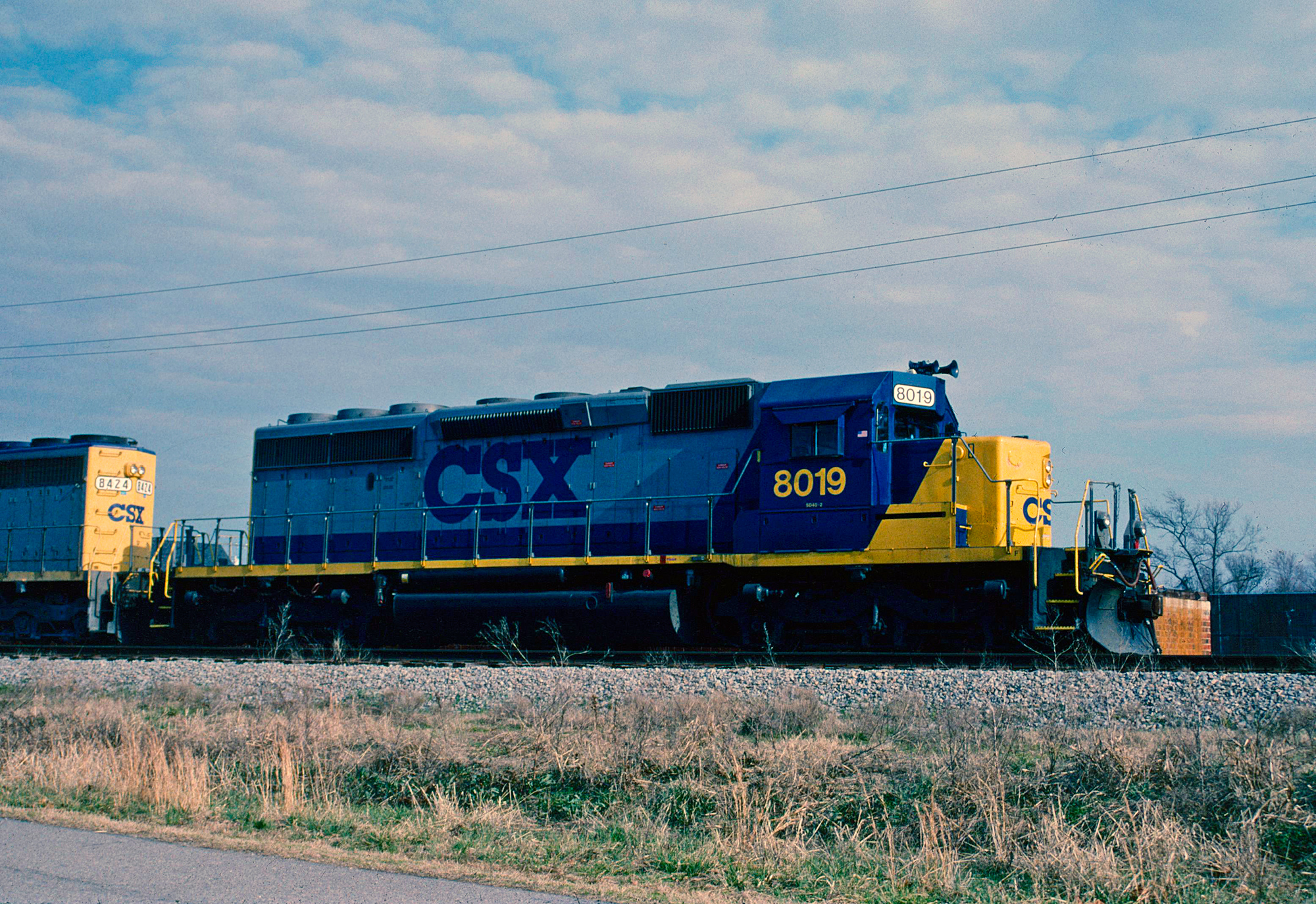 CSX SD40-2 #8019 is seen here in service at Portsmouth, Virginia on March 14, 1996. This unit was built for the Louisville & Nashville in 1979 carrying the same number. American-Rails.com collection.
However, sure enough, by 1986 it began appearing and the initial design featured a simple grey-dip scheme with blue trim and lettering.
It was dubbed the "Stealth" livery by railfans; according to the "Bull Sheet" the first locomotives to wear it were B30-7's #5508 and #5511, which rolled out of the shops in Waycross, Georgia on May 6, 1986.
A year later, full-scale production began of repainting predecessor units.
Chessie System
Baltimore & Ohio
The B&O holds the distinction of being the country's first common-carrier railroad, originally chartered on February 28th, 1827 and officially incorporated and organized on April 24th, 1827.
It was the vision of Baltimore businessmen and city leaders who felt they needed a better means of transportation to effectively compete against the Erie Canal which connected New York City with the Port of Albany at Buffalo.
During that time the eastern port cities fiercely competed with one another. Over time the B&O blossomed into a 10,000 mile network linking 13 states and connecting New York, Philadelphia, Baltimore, and Washington D.C. with Cumberland, Pittsburgh, Cincinnati, Toledo, Detroit, Chicago, St. Louis, Indianapolis, and briefly Kansas City.
It struggled to keep up with the Pennsylvania and New York Central railroads but held title as the third major trunk line in the East. In 1962 it was purchased by the Chesapeake & Ohio although remained largely independent until the Chessie System era after 1973.
Chesapeake & Ohio
Without question the C&O was the strongest and most profitable system in the Chessie System family (the holding company's very name was the product of an earlier C&O marketing sensation, Chessie the kitten).
Its earliest roots trace back to Virginia's Louisa Railroad of 1836 while its most prominent predecessor was the Virginia Central.
In 1867 the Chesapeake & Ohio Railroad was formed, which came under the control of noted tycoon Collis Huntington in 1869.
The C&O expanded prodigiously during the 1870s by either building new railroad or acquiring smaller systems.
It was reorganized as the Chesapeake & Ohio Railway in 1878 and by World War I stretched from Chicago to Norfolk/Newport News via Charleston/Huntington, West Virginia
It thrived on the rich coal fields of southern West Virginia while its link to the Windy City offered substantial through freight.
On June 6, 1947 it formally acquired the Pere Marquette Railway, offering access throughout Michigan and a link to Buffalo.
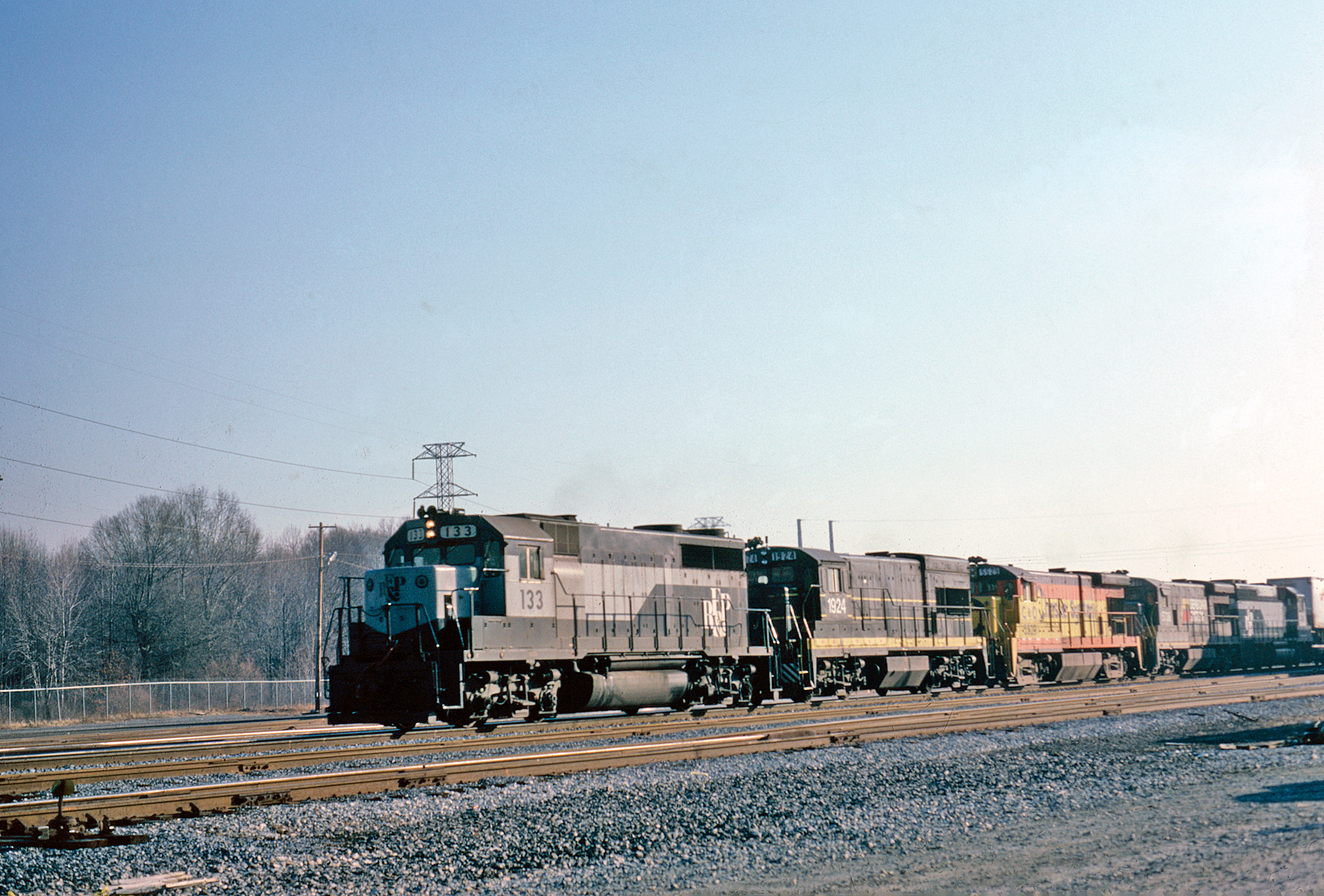 It's the early CSX era as a former Richmond, Fredericksburg & Potomac GP35 (#133) along with ex-Seaboard Coast Line U18B #1924, ex-Chessie System/C&O B30-7 #5529, ex-Seaboard Coast Line U36B #5738, and another former RF&P Geep lead trailers south out of Elsmere Yard (ex-Baltimore & Ohio) in Wilmington, Delaware in March, 1987. American-Rails.com collection.
Western Maryland Railway
The smallest member of the Chessie family was the Western Maryland, born in 1852 as the Baltimore, Carroll & Frederick Railroad.
This system was chartered by the Maryland General Assembly on May 27th to connect Baltimore with Hagerstown in Washington County.
It was renamed as the Western Maryland Rail Road Company on March 21, 1853 and construction began on July 11, 1857. In 1902 the railroad was acquired by the Fuller Syndicate, led by George Gould.
He had hopes of using the WM as a link in his ultimate plan to form a true, transcontinental railroad under common ownership.
While this plan failed Gould did succeed in expanding the WM's reach; it opened an extension to Connellsville, Pennsylvania in 1912 (via Cumberland) and its 1905 acquisition of the West Virginia Central & Pittsburg Railway provided access to the east-central coal fields of the Mountain State around Elkins.
Due to Gould's overreach, the company fell into bankruptcy in 1908 and emerged in 1910 as the Western Maryland Railway.
In 1964 the WM came under B&O control and slowly lost its identity after the Chessie System era. Today, most of its network has been abandoned.
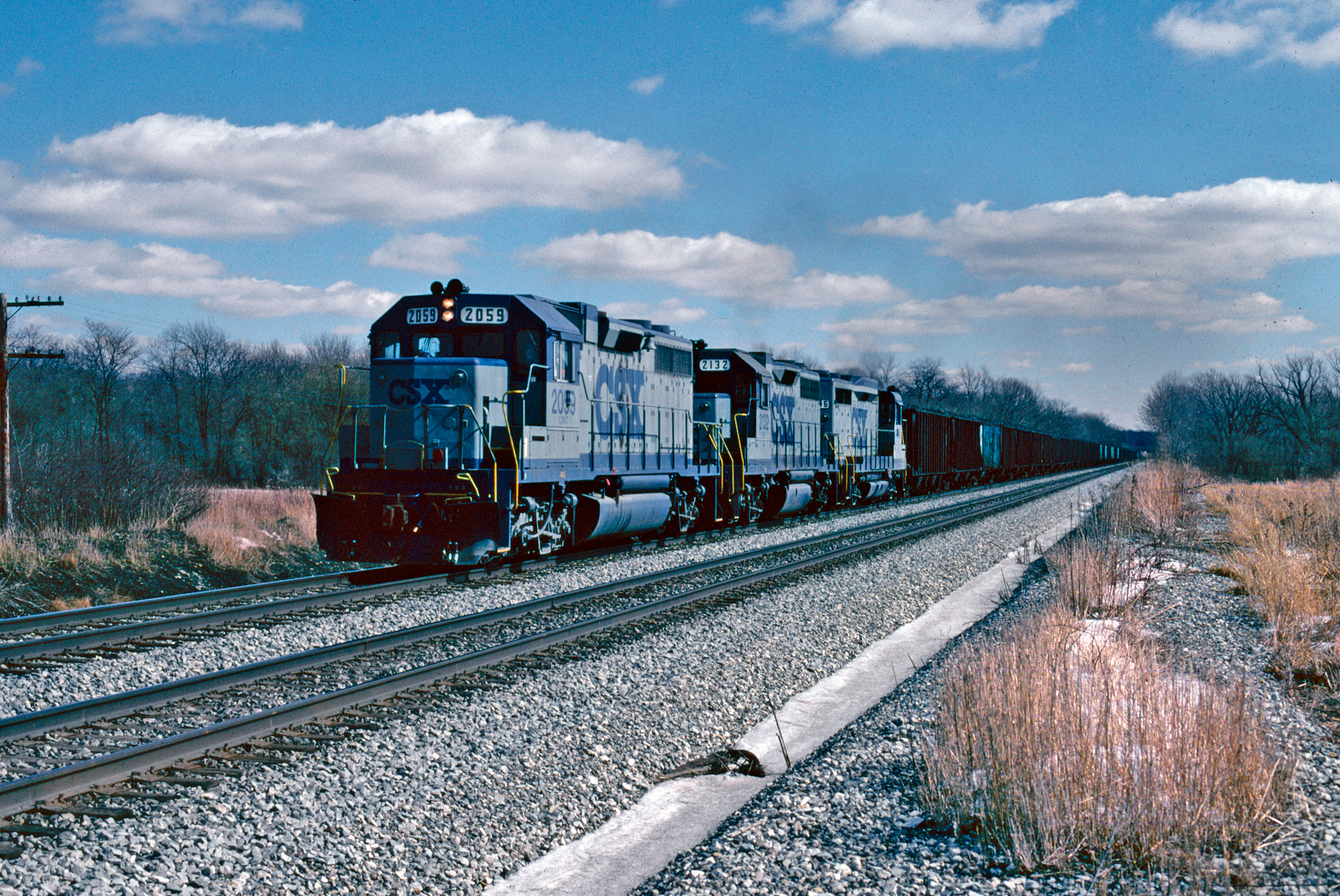 CSX GP38's #2059 and #2132, along with GP30 #4246, have a westbound at Homerville, Ohio along Camp Road on the former Baltimore & Ohio's Chicago main line; February 28, 1990. Frank Novak photo. American-Rails.com collection.
Enthusiasts who closely follow the company have attached names to its various paint schemes over the years which, interestingly, have changed little during that time.
Through the many various subtle alternations the three significant changes include the following; during the early 1990s, for better visibility yellow was introduced to the skirting, nose, and aft end of locomotives.
Later, in the early 2000s, CSX replaced the grey entirely by featuring a new, deep blue scheme with yellow lettering and trim, somewhat similar to the late B&O and C&O designs.
A decade after this updated book place the design was altered to include the so-called "Boxcar Logo" featuring a basic boxcar shape around the CSX stencil.
Most observers agree that, despite some stylistic changes from time to time, the font used for "CSX" has always remained Lubalin Graph Bold.
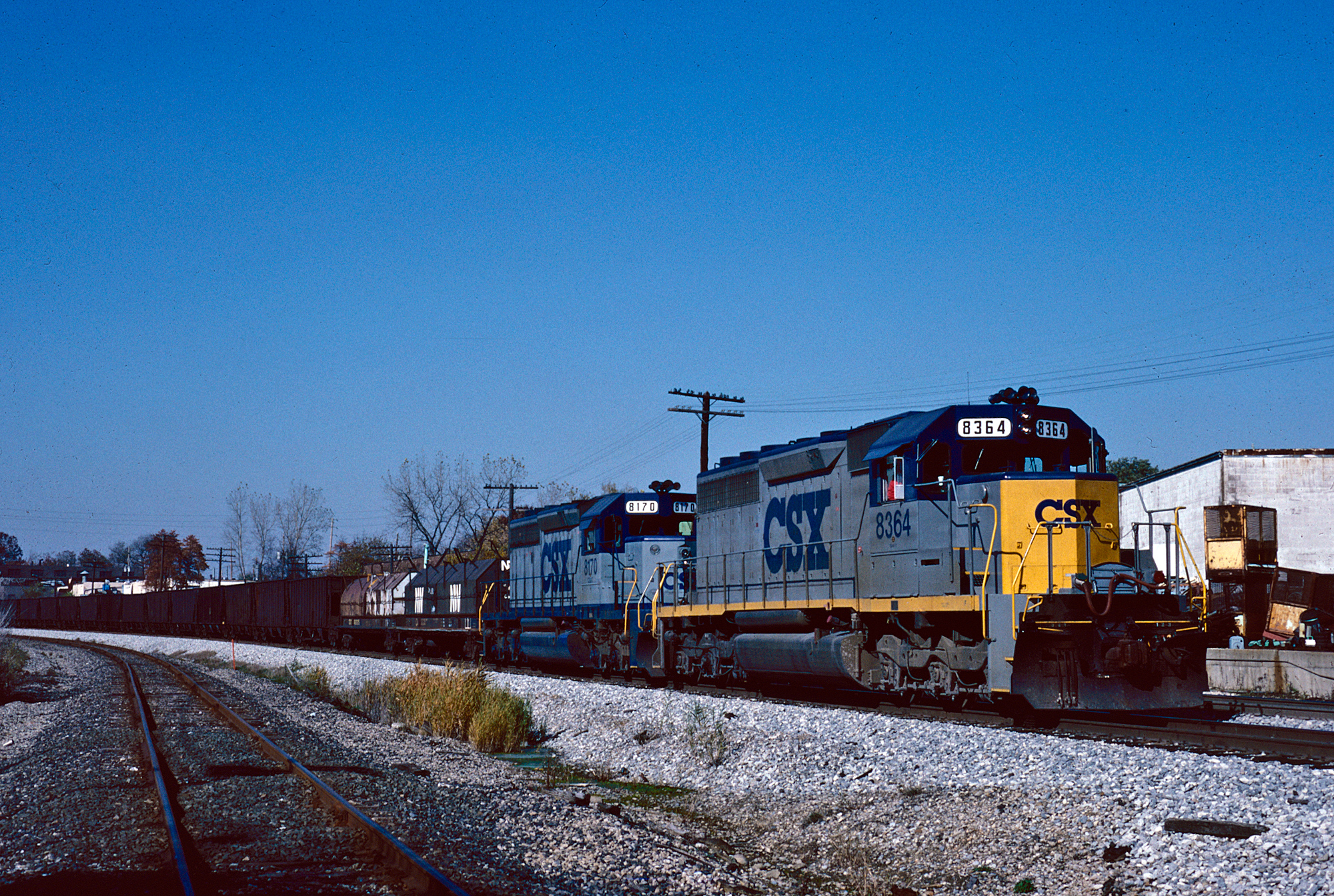 CSX SD40-2 #8364 leads westbound R377 through Akron, Ohio on November 1, 1990. American-Rails.com collection.
Mr. Watkins’ leadership of the 1980s provided a great deal of assistance during the early years when the company was just coming together as it attempted to work out the typical logistical and managerial issues associated with any large merger.
However, his departure was not the beginning of the railroad's problems. In the mid-1970s then-Chessie System took steps to pare down what it deemed superfluous or redundant segments.
Unfortunately, the Western Maryland was hardest hit since it paralleled the B&O in many locations (although, ironically, its newer routes through western Maryland and Pennsylvania offered better grades).
Then, during the 1980s the B&O was cut up; in a highly controversial move that remains so to this day its St. Louis Gateway main line (Baltimore - St. Louis) was severed from Clarksburg to Parkersburg, West Virginia (the "Parkersburg Branch") as was much of the Ohio Division.
Despite its ruggedness across the Mountain State the direct east-west route was a tailor-made intermodal corridor and the B&O/Chessie made use of it as such when the COFC/TOFC (container/trailer-on-flatcar) revolution took off in the 1960s and 1970s.
Logo
Ironically, after pulling the plug the railroad was left without a competitive container route until its acquisition of Conrail in 1999.
There were also key segments of the Seaboard Air Line and Atlantic Coast Line abandoned while talks continue today about potentially rebuilding some of these routes for passenger service.
Even the Chesapeake & Ohio, architect and most profitable component of the Chessie System, has not been immune as much of its Chicago line was abandoned across Indiana.
These moves, and others, have drawn CSXT a great deal of criticism both in and outside of the industry. Looking back, at the time of the B&O abandonments, CSX was attempted to save money and cut costs on routes that were expensive to operate or generally redundant.
The Parkersburg Branch was indeed operationally expensive while its numerous tunnels restricted the amount of through traffic it could handle (double-stacks could not fit through the bores).
Ironically, a major upgrade to the corridor had occurred under the C&O in the 1960s (lowering floors and daylighting tunnels) for the very purpose of making it competitive and efficient for intermodal service.
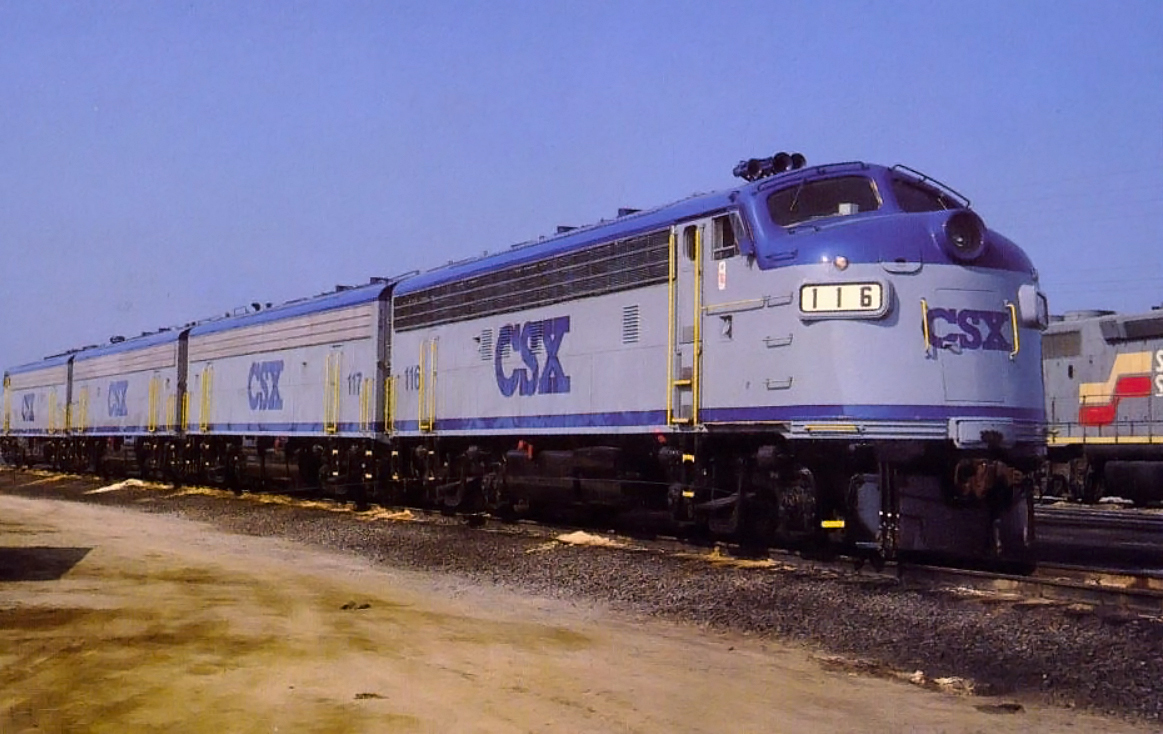 CSX's A-B-B-A set of covered wagons used for special movements, #116-119, are seen here at Waycross, Georgia on April 18, 1987. #116 was built as Clinchfield F3A #800; #117 as Nashville, Chattanooga & St. Louis F7B #918; #118 as Clinchfield FP7 #200; and #119 as Nashville, Chattanooga & St. Louis F7B #919. John Benson photo.
Had the railroad then known that double-stack containers would comprise such a large percentage of rail traffic only a few decades later it certainly would have spent the extra time and slightly additional expense to upgrade the line for this freight.
Sadly, in the succeeding years much of the B&O has continued to either see abandonment or sale, especially in West Virginia where only a segment of the West End and Ohio River Subdivision remain (along with a few branches).
Today, its only vital route seeing considerable use is the former Chicago main line. Into the 1990s, CSX Transportation saw further expansion when it fully absorbed the vital bridge route known as the Richmond, Fredericksburg & Potomac in 1991.
This road's busy main line ran between Washington, D.C. and Richmond, Virginia and had long been operated by numerous railroads until CSX found itself as sole owner.
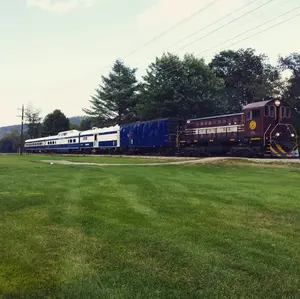
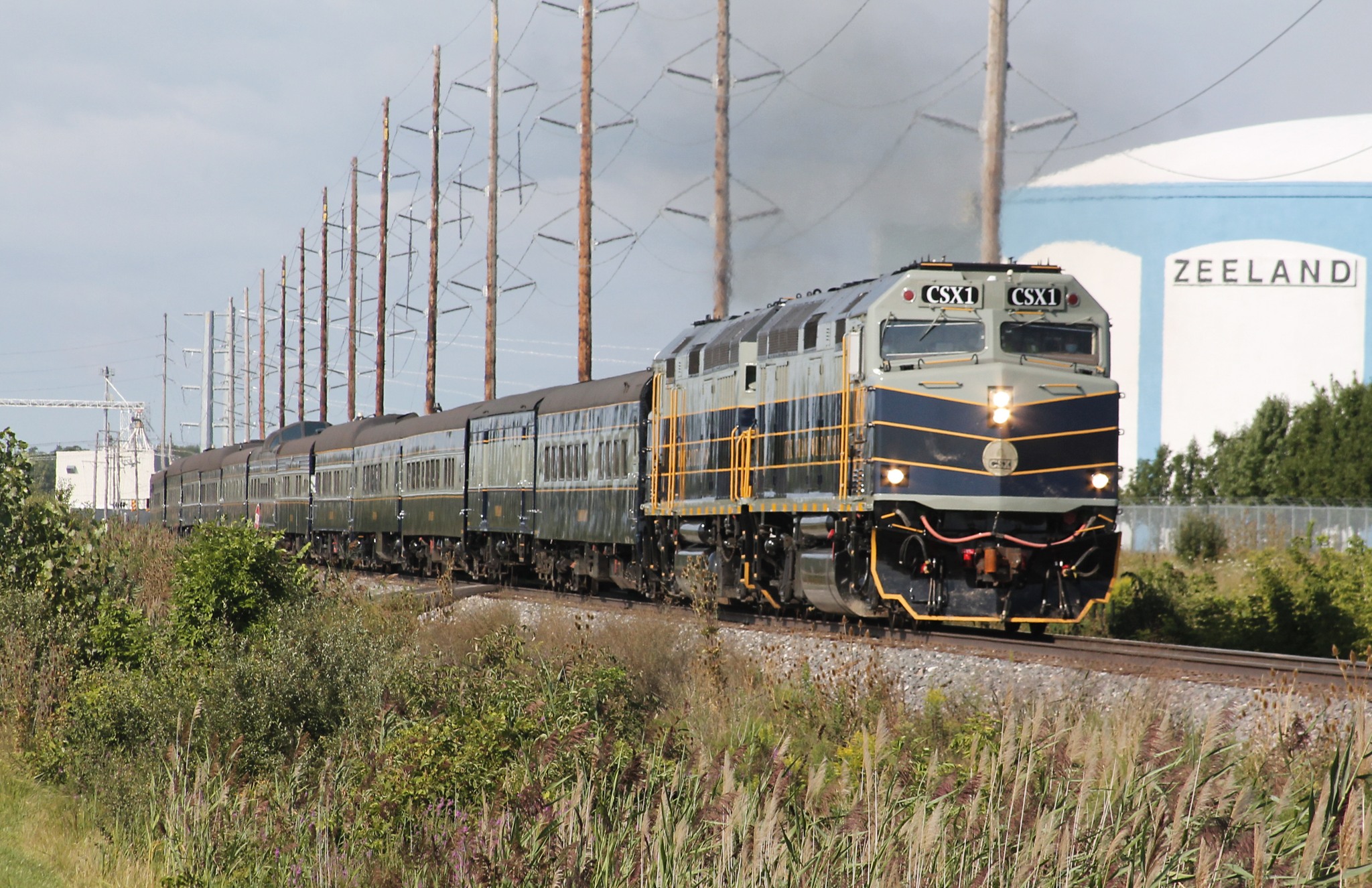 CSX's pair of F40PHs, CSX1 and CSX2, wearing a B&O-inspired passenger livery for the company's business train, lead the twelve cars eastbound through Zeeland, Michigan on August 25, 2021. Rick Burn photo.
Seaboard System
Atlantic Coast Line
The ACL formed one component of the 1967 Seaboard Coast Line merger with Seaboard Air Line. Its ancestry can be traced back to the Petersburg Railroad of 1830, chartered to connected Petersburg, Virginia with Weldon, North Carolina.
Several systems later came together to form the Atlantic Coast Line Company of 1893, which connected Charleston, South Carolina to Richmond, Virginia.
There were additional takeovers in the early 20th century, notably the Plant System of Florida acquired in 1902. By the late 1920s, the ACL operated from Richmond and Norfolk to Miami, Tampa, and throughout most of Florida.
It also stretched across the Southeast to Birmingham, Atlanta, and Montgomery. The road was always well managed and enjoyed a booming passenger business into the 1960s thanks to vacationers flocking to the Sunshine State.
Its merger with the Seaboard Air Line was approved in 1963 and formally took place on July 1, 1967 creating Seaboard Coast Line.
Clinchfield Railroad
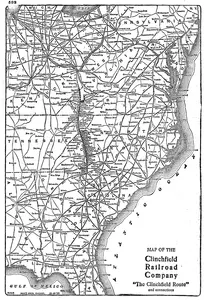
The fabled Clinchfield was a small but important operation moving millions of tons of coal along its main line stretching from Elkhorn City, Kentucky to Spartanburg, South Carolina via Western North Carolina.
It began as the Louisville, Cincinnati & Charleston of 1836 with grand intentions of linking the Ohio River and Atlantic seaboard.
By the 20th century a successor known as the Ohio River & Charleston was operating 171 miles from Camden, South Carolina to Marion, North Carolina.
Most of this system was purchased by the Southern Railway and Chesapeake & Ohio while the central segment near Johnson City, Tennessee came under the direction of George Carter.
He incorporated the Carolina, Clinchfield & Ohio Railway on March 31, 1908 which operated the property and other short sections under his control.
After years of work and numerous tunnels, an engineering marvel through the southern Appalachians emerged on February 9, 2015 when the CC&O's 277-mile, Elkhorn City-Spartanburg main line opened.
It handled heavy coal traffic and other freight while linking Midwestern carriers with those of the South via an inside gateway. On May 11, 1923 the L&N and ACL formally leased the CC&O, operating it under the guise of the "Clinchfield Railroad."
Louisville & Nashville
One of the most important components of CSX's southern network is the former L&N lines.
This highly profitable road traces its ancestry back to 1850 when the Commonwealth of Kentucky chartered the Louisville & Nashville Railroad to link its namesake cities, opening nine years later in 1859.
The L&N's corporate history survived for over a century as it built and gobbled up smaller roads, such as the Nashville, Chattanooga & St. Louis (1880), while expanding across the Southeast.
By 1950 it operated nearly a 5,000-mile network from Cincinnati and St. Louis to Memphis, Knoxville, Atlanta, Birmingham, Pensacola (Florida), and New Orleans.
It finally reached Chicago in 1969 by acquiring the Chicago & Eastern Illinois with which it had interchanged for many years from Evansville, Indiana.
The L&N's traffic base was incredibly diverse ranging from coal and lumber to automobiles, chemicals, and general merchandise. In 1971 it acquired the Monon before joining the Family Lines consortium in 1972.
Monon Railroad
The Monon disappeared into the L&N in 1971 and as a part of the later CSX Transportation has played a very small role.
The Midwestern road was situated almost entirely in its home state of Indiana, long known as the Chicago, Indianapolis & Louisville.
Its earliest predecessor was the New Albany & Salem conceived to connect Salem, Indiana with the Ohio River at New Albany.
By 1854 it was opened to Michigan City along Lake Michigan. Following a reorganization and bankruptcy it was known as the Louisville, New Albany & Chicago Railway by 1882.
It acquired smaller roads to remain competitive, such as the Chicago & Indianapolis Air Line and Kentucky & Indiana Terminal.
These efforts, and new construction, put it into Indianapolis, Louisville, and Chicago (thanks to trackage rights over the Chicago & Western Indiana) by the end of the 19th century.
In 1897 it was reorganized as the Chicago, Indianapolis & Louisville. At its peak size the system, stretching 573 miles, resembled an "X" with Monon, Indiana as the converging point of its main lines. Alas, much of the Monon is abandoned today.
Seaboard Air Line
The SAL's heritage began as the Portsmouth & Roanoke Rail Road chartered in 1832 to connect its namesake cities, completed in 1835.
It was later reorganized as the Seaboard & Roanoke in 1846 and linked with the Raleigh & Gaston in 1853 to provide a continuous route from Portsmouth to Raleigh.
Under the leadership of John Robinson, the Seaboard Air-Line System name first appeared for marketing purposes which included the R&G, S&R, and Raleigh & August Air-Line.
The latter road offered a southerly link to Hamlet, North Carolina. Finally, on April 14, 1900, the Seaboard Air Line Railway was incorporated which comprised more than a dozen predecessors linking Richmond, Virginia with parts of Florida.
At its peak size the SAL covered more than 4,000 miles from Virginia to parts of Florida while also stretching westward to Atlanta, Montgomery, and Birmingham.
Despite a bankruptcy brought about by the Great Depression the SAL was generally a strong road until entering its formal union with the Atlantic Coast Line.
In 1972 the SCL joined the Louisville & Nashville, West Point Route, and Clinchfield to form the Family Lines System.
This was only a marketing term and carried no corporate weight whatsoever although a colorful livery adorned new and repainted locomotives. In 1982 all three merged to form the Seaboard System.
West Point Route
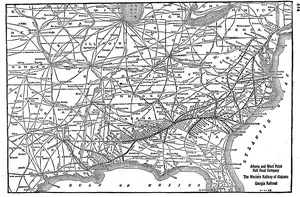
The smallest component of CSX was the so called Georgia Roads, referring to as the "West Point Route."
The three railroads in this marketing family included the Atlanta & West Point Railroad, Western Railway of Alabama, and Georgia Railroad.
The latter controlled the others; the A&WP linked Atlanta with West Point, the WRoA connected westward to Montgomery and Selma, and finally the Georgia Railroad ran from Atlanta to Augusta with branches to Athens, Monroe, Macon, and Washington.
The GARR came under the control of the L&N and Central of Georgia although the latter sold its interest in 1944. The West Point Route joined the Family Lines System of 1972 and disappeared into the Seaboard System a decade later.
Only a year later, on September 11, 1992 it took control of the Pittsburgh & Lake Erie, a small, historic regional that connected northeastern Ohio with southwestern Pennsylvania via Pittsburgh.
It had long been under New York Central control but regained independence following the Penn Central bankruptcy and managed to remain so when Conrail was formed in 1976.
Conrail
The most significant addition was the 1999 purchase of Conrail, cut up in conjunction with Norfolk Southern that year; it proved a very costly battle for the Northeastern carrier, which had direct access to the large markets of Philadelphia, Boston, and New York City.
The fight was eventually settled with a split of the railroad; CSX agreed to 42% while NS purchased the larger, 58% segment.
As it turns out both CSX and NS had logistical problems to integrate their segments although they managed to largely avoid the issues Union Pacific experienced in its 1996 takeover of Southern Pacific.
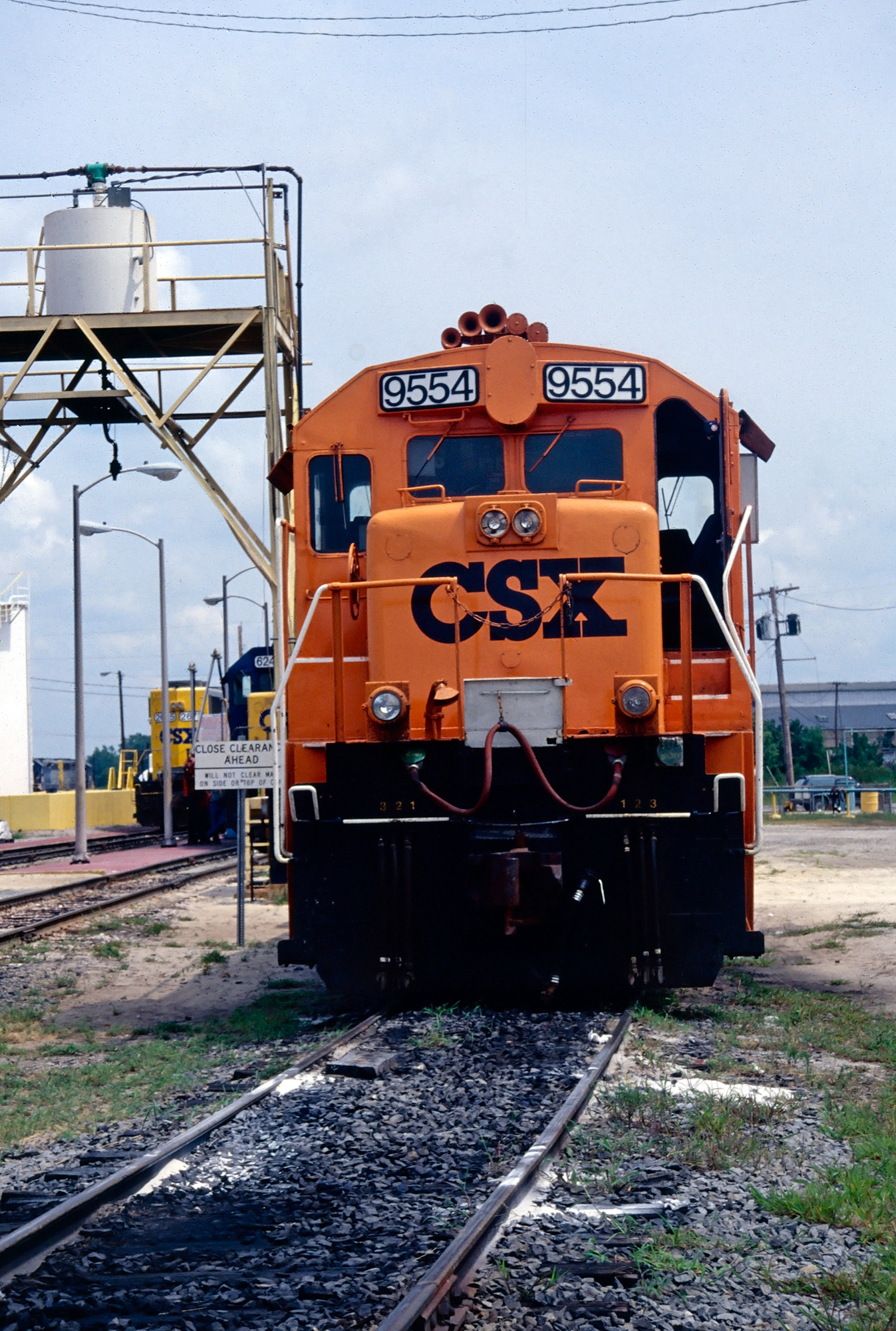 CSX U23B #9554 (built as Louisville & Nashville #2800), wearing "Maintenance of Way" orange, lays over in Rocky Mount, North Carolina on August 7, 1997. American-Rails.com collection.
Of the two, Norfolk Southern experienced a better transition, mostly because of the management practices the railroad had put in place since the days of the Southern and Norfolk & Western.
The above map gives a general family tree of the largest railroads which make up the current CSX Transportation system.
While its future is as much of a guess as its past, many in the industry and those who study it see two mega-railroads evolve with CSX merging with one of the western railroads and Union Pacific likely joining with Norfolk Southern.
The most recent event to occur in this regard was the 2014 approach from Canadian Pacific about a possible merger.
CSX declined the offer but, interestingly, CP went on to court Norfolk Southern about such a union in late 2015/early 2016.
Following a few months of tense back and worth NS flatly rejected the idea, along with follow up inquiries from the Canadian road.
Pan Am
Pan Am Railways was once the nation's largest Class II carrier, operating 1,800 route miles across New England. The road also employed around 750 individuals.
In 2020 CSX acquired the regional for $700 million and officially took over operations on June 1, 2022. The addition has expanded the Class 1's reach into the states of Connecticut, New York and Massachusetts to complement its operations over the former Boston & Albany lines west of Boston.
In addition, CSX opened new markets in the states of Vermont, New Hampshire and Maine.
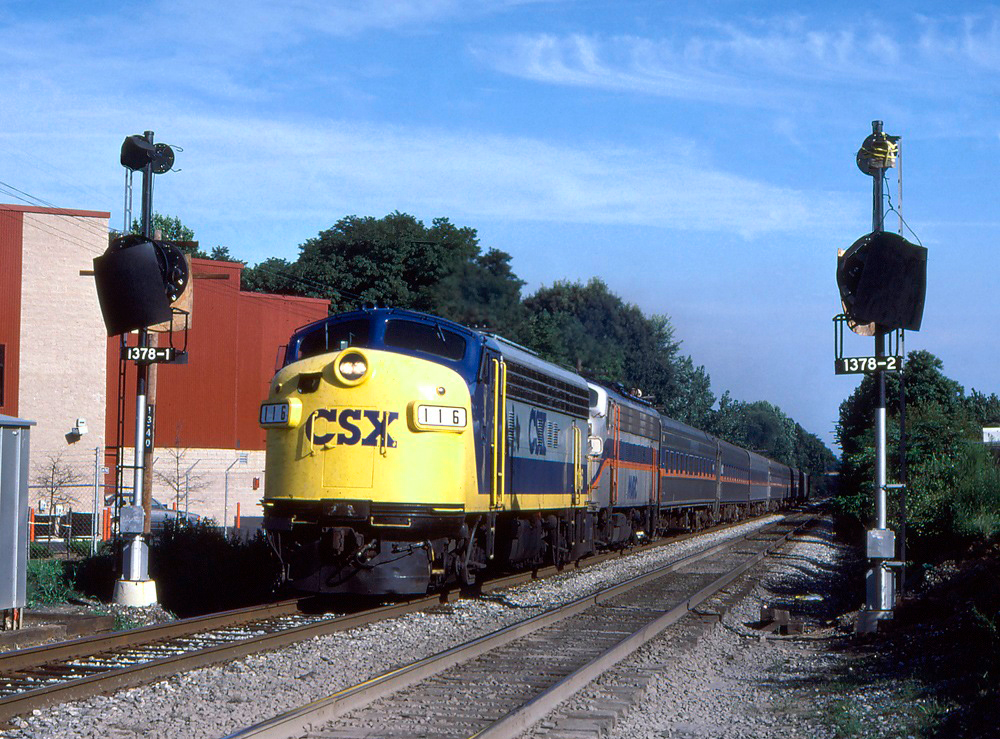 CSX F7A #116 leads a MARC consist at Randolph Road in Rockville, Maryland on August 20, 1992. Wade Massie photo.
Current Operations
If the merger with either of the eastern Class I's had taken place the industry would surely have witnessed a final round of mega mergers, producing the two giant North American systems previously mentioned.
Today, including CSXT, CSX Corporation carries out business in the following areas:
- CSX Intermodal Terminals
- CSX Real Property
- CSX Technology
- Chessie Computer Service
- Cybernetics & Services
- Total Distribution Services
- Transflo Corporation
- Fruit Growers Express
- CSX de Mexico
- Winston-Salem Southbound Railway (shared ownership with Norfolk Southern)
- Powerhouse Logistics
Whatever happens with CSX Transportation one thing is certain; it is a railroad rich in history, which stretches from the Northeast to the Southeast, and points west to Chicago and New Orleans.
Perhaps one day, before the merger movement begins again the railroad will find its true identity and direction with an efficient and effective management team.
More Reading
Recent Articles


-
Pennsylvania "Father's Day" Train Rides
May 13, 26 12:53 PM
 This state offers a unique way to celebrate Father's Day with unforgettable train rides that combine history, stunning landscapes, and a dash of nostalgia.
 -
New York "Father's Day" Train Rides
May 13, 26 12:52 PM
 If you’re looking to make this day memorable, consider taking a scenic train ride with your dad through the beautiful landscapes of New York State.
 -
Texas Father's Day Train Rides
May 13, 26 12:50 PM
 In Texas, Father's Day can be made unique by combining the nostalgia and charm of train rides with the grandeur of the Texas landscape.
 -
Alabama - Murder Mystery - Dinner Train Rides
May 13, 26 12:49 PM
 There is currently one location in the state offering a murder mystery dinner experience, the Wales West Light Railway!
 -
Pennsylvania - Whiskey Tasting - Train Rides
May 13, 26 12:38 PM
 For whiskey aficionados and history buffs alike, a train ride through the Keystone State offering such spirits provides a unique and memorable experience.
 -
Tennessee 'Wine Tasting' Train Rides
May 13, 26 12:35 PM
 One of the most unique and enjoyable ways to savor the flavors of Tennessee’s vineyards is by train aboard the Tennessee Central Railway Museum.
 -
North Carolina 'Wine Tasting' Train Rides
May 13, 26 12:32 PM
 A noteworthy way to explore North Carolina's beauty is by hopping aboard the Great Smoky Mountains Railroad and sipping fine wine!
 -
Reading & Northern Showcases "America250" Caboose
May 13, 26 12:04 PM
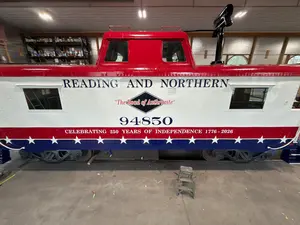
 The Reading & Northern has unveiled repainted PRR N-8 caboose #94850 in "America250" colors. The car made its first run on May 8, 2026.
 -
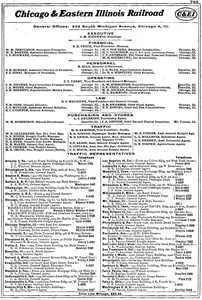
Chicago & Eastern Illinois Timetables (August, 1952)
May 13, 26 11:50 AM
 Covered here is the Chicago & Eastern Illinois Railroad's complete timetable listing from the August, 1952 edition of the "Official Guide."
 -
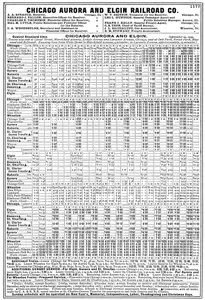
Chicago, Aurora and Elgin Timetables (March, 1940)
May 13, 26 12:03 AM
 Featured here is the Roarin' Elgin's single page timetable listing from the March, 1940 issue of the "Official Guide Of The Railways."
 -
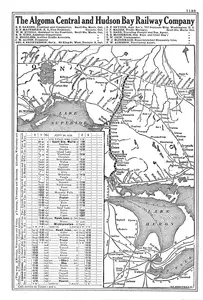
Algoma Central Railway Timetables (March, 1940)
May 12, 26 11:51 PM
 Highlighted here is the Algoma Central Railway's single page timetable listing in the March, 1940 edition of the "Official Guide."
 -
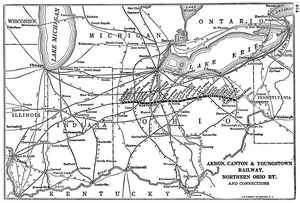
Akron, Canton & Youngstown Timetables (March, 1940)
May 12, 26 10:45 PM
 Featured here is the Akron, Canton & Youngstown's brief timetable listing in the "Official Guide" from the March, 1940 edition.
 -
Minnesota 'Dinner Train' Rides At Duluth
May 12, 26 12:47 PM
 One of the best ways to feel the region's history in motion today is aboard the North Shore Scenic Railroad (NSSR), which operates out of Duluth’s historic depot.
 -
Maryland 'Dinner Train' Rides At Walkersville
May 12, 26 12:45 PM
 While WSRR runs a variety of seasonal and special trains, one of its most appealing “date night” offerings is the Valentine’s Dinner Train, a romantic two-hour ride built around classic railroad ambia…
 -
Utah 'Murder Mystery' Dinner Train Rides
May 12, 26 12:43 PM
 This article highlights the murder mystery dinner trains currently avaliable in the state of Utah!
 -
Rhode Island 'Murder Mystery' Dinner Train Rides
May 12, 26 12:41 PM
 Let's dive into the enigmatic world of murder mystery dinner train rides in Rhode Island, where each journey promises excitement, laughter, and a challenge for your inner detective.
 -
Nevada 'Wine Tasting' Train Rides
May 12, 26 12:20 PM
 While it may not be the first place that comes to mind when you think of wine, you can sip this delight by train in Nevada at the Nevada Northern Railway.
 -
New Hampshire "Wine Tasting" Train Rides
May 12, 26 12:18 PM
 This article details New Hampshire's most enchanting wine tasting trains, where every sip is paired with breathtaking views and a touch of adventure.
 -
New Jersey 'Wine Tasting' Train Rides
May 12, 26 12:17 PM
 If you're seeking a unique outing or a memorable way to celebrate a special occasion, wine tasting train rides in New Jersey offer an experience unlike any other.
 -
West Pointe Route Timetables (August, 1952)
May 11, 26 08:23 PM
 Included here is the complete West Point Route timetables, including the Georgia Railroad, from the August, 1952 edition of the "Official Guide."
 -
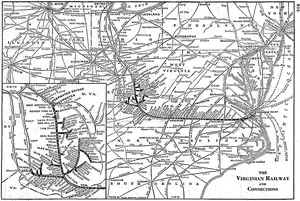
Virginian Railway Timetables (August, 1952)
May 11, 26 04:27 PM
 Included here is the Virginian Railway's complete system map and brief timetable listing from the August, 1952 edition of the "Official Guide."
 -
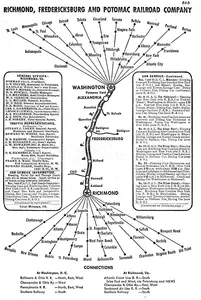
RF&P Railroad Timetables (August, 1952)
May 11, 26 02:21 PM
 Featured here is the Richmond, Frederickburg & Potomac's public timetables from the August, 1952 edition of the "Official Guide."
 -
Missouri 'Wine Tasting' Train Rides
May 11, 26 12:20 PM
 The fusion of scenic vistas, historical charm, and exquisite wines is beautifully encapsulated in Missouri's wine tasting train experiences.
 -
Minnesota 'Wine Tasting' Train Rides
May 11, 26 12:19 PM
 This article takes you on a journey through Minnesota's wine tasting trains, offering a unique perspective on this novel adventure.
 -
Alabama - Whiskey Tasting - Train Rides
May 11, 26 12:14 PM
 With a little planning, you can build a memorable whiskey-and-rails getaway in the Heart of Dixie.
 -
Washington 'Murder Mystery' Dinner Train Rides
May 11, 26 12:11 PM
 This article delves into what makes murder mystery dinner train rides in Washington State such a captivating experience.
 -
Nevada 'Murder Mystery' Train Rides
May 11, 26 12:09 PM
 Seamlessly blending the romance of train travel with the allure of a theatrical whodunit, these excursions promise suspense, delight, and an unforgettable journey through Nevada’s heart.
 -
Kentucky 'Murder Mystery' Dinner Train Rides
May 11, 26 12:06 PM
 In the realm of unique travel experiences, Kentucky offers an enchanting twist that entices both locals and tourists alike: murder mystery dinner train rides.
 -
Original Norfolk Southern Timetables (January, 1930)
May 11, 26 10:06 AM
 Featured here is the complete timetable listing of the original Norfolk Southern Railway from the January, 1930 edition of the "Official Guide."
 -
Atlantic and Danville Railway: Serving Southern VA
May 11, 26 09:50 AM
 The Atlantic and Danville Railway (reporting mark AD), often referred to in its early years as the Atlantic & Danville Railroad, stands as a quintessential example of late-19th-century American railro…
 -
Interstate Railroad Timetables (January, 1910)
May 11, 26 09:25 AM
 Featured here is the Interstate Railroad's very brief timetable listing from the January, 1910 edition of the "Official Guide Of The Railways."
 -
Virginia "Whiskey Tasting" Train Rides
May 10, 26 01:01 PM
 Among the Virginia Scenic Railway's most popular specialty excursions is the “Bourbon & BBQ” tasting train, an adults-oriented rail journey that pairs scenic views of the Shenandoah Valley wit…
 -
Tennessee 'Whiskey Tasting' Train Rides
May 10, 26 12:58 PM
 Here’s what to know, who to watch, and how to plan an unforgettable rail-and-whiskey experience in the Volunteer State.
 -
New York 'Dinner Train' Rides In The Adirondacks
May 10, 26 12:51 PM
 Operating over a restored segment of the former New York Central’s Adirondack Division, the Adirondack Railroad has steadily rebuilt both track and public interest in passenger rail across the region.
 -
West Virginia 'Murder Mystery' Dinner Train Rides
May 10, 26 12:45 PM
 For those looking to combine the allure of a train ride with an engaging whodunit, the murder mystery dinner trains offer a uniquely thrilling experience.
 -
Kansas 'Murder Mystery' Dinner Train Rides
May 10, 26 12:26 PM
 Kansas, known for its sprawling wheat fields and rich history, hides a unique gem that promises both intrigue and culinary delight—murder mystery dinner trains.
 -
Florida 'Murder Mystery' Dinner Train Rides
May 10, 26 12:21 PM
 Florida, known for its vibrant culture, dazzling beaches, and thrilling theme parks, also offers a unique blend of mystery and fine dining aboard its murder mystery dinner trains.
 -
Florida East Coast Timetables (January, 1930)
May 09, 26 11:55 PM
 Featured here is the Florida East Coast Railway's listing in the "Official Guide" from January, 1930 when the system still reached Key West.
 -
Clinchfield Railroad Timetables (August, 1952)
May 09, 26 01:28 PM
 Featured here is the Clinchfield's brief listing from the August, 1952 edition of the "Official Guide Of The Railways."
 -
California 'Beer Tasting' Train Rides
May 09, 26 10:58 AM
 While the Niles Canyon Railway is known for family-friendly weekend excursions and seasonal classics, one of its most popular grown-up offerings is Beer on the Rails.
 -
New Jersey 'Beer Tasting' Train Rides
May 09, 26 10:49 AM
 On select dates, the Woodstown Central Railroad pairs its scenery with one of South Jersey’s most enjoyable grown-up itineraries: the Brew to Brew Train.
 -
New Hampshire 'Murder Mystery' Dinner Train Rides
May 09, 26 10:32 AM
 The state's murder mystery trains stand out as a captivating blend of theatrical drama, exquisite dining, and scenic rail travel.
 -
North Carolina 'Dinner Train' Rides At Spencer
May 09, 26 10:26 AM
 Tucked into the Piedmont town of Spencer, the North Carolina Transportation Museum is the kind of place that feels less like a typical museum and more like a living rail yard that never quite stopped…
 -
Tennessee 'Dinner Train' Rides At TVRM
May 09, 26 10:16 AM
 Tucked into East Chattanooga, the Tennessee Valley Railroad Museum (TVRM) is less a “museum you walk through” and more a railroad you step aboard.
 -
Pennsylvania 'Dinner Train' Rides At Boyertown
May 09, 26 10:02 AM
 With beautifully restored vintage equipment, carefully curated menus, and theatrical storytelling woven into each trip, the Colebrookdale Railroad offers far more than a simple meal on rails.
 -
New York 'Murder Mystery' Dinner Train Rides
May 09, 26 09:54 AM
 New York State, renowned for its vibrant cities and verdant countryside, offers a plethora of activities for locals and tourists alike, including murder mystery train rides!
 -
Central of Georgia Timetables (August, 1952)
May 08, 26 11:51 PM
 Featured is the Central of Georgia Railway's complete timetable listing from the August, 1952 edition of the "Official Guide Of The Railways."
 -
Pittsburgh & West Virginia Timetables (September, 1937)
May 08, 26 11:30 PM
 Presented here is the Pittsburgh & West Virginia's public timetables listed in the September, 1937 issue of the "Official Guide."
 -
Brightline Florida Faces Debt Crisis and Future Uncertainty
May 08, 26 02:50 PM
 Florida’s pioneering private high-speed passenger rail service, Brightline, is confronting a severe liquidity crunch that has triggered auditor warnings of “substantial doubt” about its ability to con…
 -
Reading & Northern Launches Its Own Coffee Brand
May 08, 26 02:28 PM
 The Reading & Northern Railroad is thrilled to announce the launch of its very own coffee brand, Iron Horse Coffee Company. It will soon be served on all scenic train rides and in the café car located…

%20and%20B23-7%20%233126%20are%20eastbound%20near%20Rittman%2C%20Ohio%3B%20January%202%2C%201989.%20%20Frank%20Novak%20photo.%20%20American-Rails.com%20collection.)


%20along%20with%20ex-Seaboard%20Coast%20Line%20U18B%20%231924%2C%20ex-Chessie%20System%2FC%26O%20B30-7%20%235529%2C%20ex-Seaboard%20Coast%20Line%20U36B%20%235738%2C%20and%20another%20former%20RF%26P%20Geep%20lead%20trailers%20south%20out%20of%20Elsmere%20Yard%20(ex-Baltimore%20%26%20Ohio)%20in%20Wilmington%2C%20Delaware%20in%20March%2C%201987.%20%20American-Rails.com%20collection.)


%2C%20wearing%20%22Maintenance%20of%20Way%22%20orange%2C%20lays%20over%20in%20Rocky%20Mount%2C%20North%20Carolina%20on%20August%207%2C%201997.%20%20American-Rails.com%20collection.)