The End-Of-Train Device (ETD) and Its Impact on Railroading
Published: July 5, 2024
By: Adam Burns
Railroads have long been the veins through which the lifeblood of industrial and economic activity flows. As technology has progressed, so too has the equipment used within the railway industry.
One of the most significant advancements in recent railroading history is the adoption of the End-Of-Train device (ETD).
Known too as the Electronic Train Device, or Flashing Rear End Device (FRED), this piece of technology has fundamentally changed train operations, phasing out the iconic caboose that was once ubiquitous on freight trains.
This article delves into the ETD, exploring its functionality, operational benefits, and the historical implications of replacing the classic caboose.
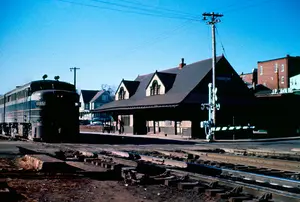
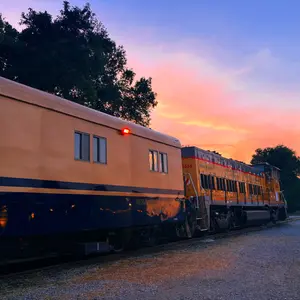
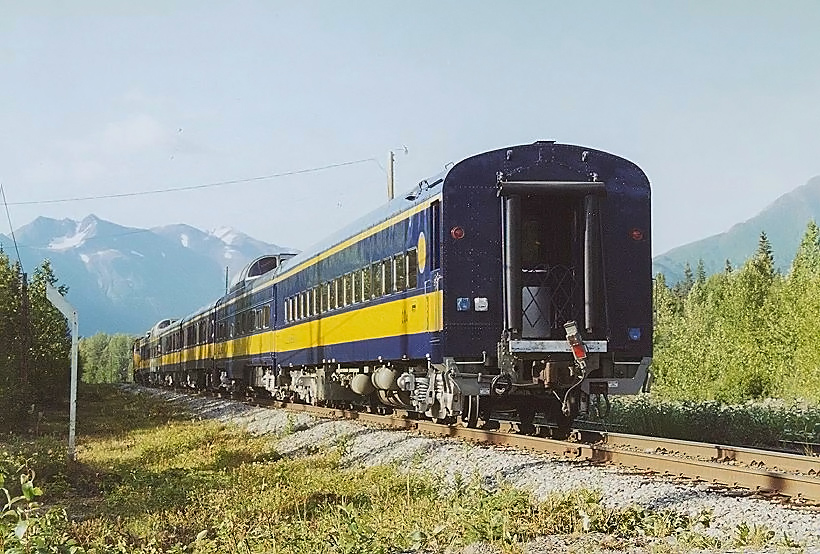 An End-Of-Train device, or ETD/FRED, is attached to the rear of an Alaska Railroad passenger train near Lawing, Alaska on August 1, 2002. Doug Kroll photo.
Functionality: How ETD Works
The End-Of-Train device is an electronic component mounted on the rear coupler of the last car of a freight train. Its primary job is to relay crucial operational data to the locomotive engineer, thereby enhancing safety and efficiency. Here’s how it functions:
Real-time Telemetry
The core mechanism of an ETD is its ability to transmit real-time data from the end of the train to the locomotive cab.
This data typically includes the brake pipe pressure, which is essential for the engineer to monitor the train’s braking system. Should there be any sudden drop in brake pressure at the rear, it could indicate a problem, prompting the engineer to take immediate action.
Emergency Brake Application
One of the critical safety features of the ETD is its ability to initiate an emergency brake application. In case of a dangerous situation such as a derailment or a catastrophic failure in the braking system, the engineer can remotely command the ETD to apply the train’s brakes from the rear.
This dual application of brakes from both ends of the train can significantly reduce stopping distances, minimizing potential damage and casualties.
GPS and Communication
Modern ETDs are often equipped with Global Positioning System (GPS) units, allowing for precise tracking of the train's location.
They also have communication capabilities, usually via radio or cellular networks, to maintain a constant data stream between the rear and front of the train. This connectivity ensures that the data is continuously updated, and any issues can be promptly flagged and addressed.
Batteries and Solar Power
Most ETDs are powered by batteries, often supplemented with solar panels for extended operational endurance. The device must be consistently reliable, as any downtime could mean lapses in safety monitoring. Battery life and power efficiency are paramount to ensuring the ETD functions effectively throughout its deployment.
Operational Benefits
The implementation of ETDs has offered several advantages over the traditional caboose, fortifying why these devices have become standard in the rail industry.
Enhanced Safety
With real-time telemetry, engineers can now monitor braking systems far more accurately than was possible with visual checks from a caboose. The ability to initiate emergency brake applications remotely provides an added layer of safety, allowing for quicker responses to potential hazards.
Cost Efficiency
One of the most immediate benefits realized with the adoption of ETDs is cost savings. The elimination of the caboose means fewer railcars to maintain and fewer crew members required per train. The operational expenses for rail companies have decreased, allowing for a more streamlined and cost-effective approach to rail transport.
Improved Communication
End-Of-Train devices enable continuous communication between the front and rear of the train. This continuous stream of information allows for improved operational coordination, such as more precise signaling and better real-time decision making by the locomotive engineer.
Reduced Fuel Consumption
Less weight means less fuel. By eliminating the caboose, trains became lighter, contributing to reduced fuel consumption and, by extension, a smaller environmental footprint. This is particularly significant in an era where industries are increasingly pressured to adopt greener and more sustainable practices.
Enhanced Operational Metrics
With GPS and other data-gathering capabilities inherent in modern ETDs, rail companies can perform detailed analysis on train operations. Data such as speed, location, brake application frequency, and other metrics help optimize routes, improve scheduling, and refine overall operations.
Historical Implications: Replacing the Caboose
For over a century, the caboose was a symbol of railroading. Serving more than just an aesthetic function, the caboose was an operational necessity.
It housed the train’s conductor and brakeman, who would use it as an observation post to monitor for issues such as shifting loads, overheated bearings, and other potential problems.
The caboose was also a mobile office where paperwork and logistical coordination could be performed. Additionally, it provided a place for crew members to rest and take shelter.
Economic Pressures and Technological Advancements
By the late 20th century, economic pressures and technological advancements began to challenge the necessity of the caboose. Automated hotbox detectors installed along the tracks could detect overheated bearings, reducing the need for manual inspections.
Improvements in radio communication allowed for more effective coordination without the need for a rear crew. The tightening of operational budgets made the cost of maintaining and staffing cabooses increasingly unjustifiable.
Early Adoption of ETDs
End-Of-Train devices began to appear in the late 1970s and early 1980s, initially as a supplemental technology but gradually proving their worth as a full replacement for the caboose.
The early models of ETDs were relatively basic, focusing primarily on transmitting brake pipe pressure data. However, as technology progressed, they became more sophisticated, incorporating GPS, remote braking capabilities, and improved communication systems.
Phasing Out the Caboose
The transition from cabooses to ETDs was gradual but inevitable. By the 1980s and 1990s, major rail companies across the United States and Canada began to phase out cabooses from regular service, replacing them with ETDs.
This transition was met with a mix of resistance and acceptance. Many railroad workers and enthusiasts mourned the loss of the caboose, which had become an emblematic part of the railroading culture. However, the undeniable operational and economic benefits of ETDs made their widespread adoption an industry standard.
Cultural and Symbolic Shifts
The replacement of the caboose by the ETD marked a significant cultural shift in railroading. The caboose was not just a utility; it was a symbol of the old ways of railroading, imbued with a sense of adventure, companionship, and tradition. Its disappearance symbolized the broader shift towards modernization, automation, and efficiency in the industry.
The loss of the caboose also meant the end of certain crew roles and a reduction in the number of personnel required to operate a freight train. While this led to cost savings for the rail companies, it also meant fewer jobs and a change in the nature of railroading work, moving away from the more communal, jam-packed life of the train crew.
Legacy and Preservation
While the ETD has decisively replaced the caboose in regular freight service, the legacy of the caboose lives on. Many retired cabooses have found new lives as museum pieces, educational exhibits, and even as recreational spaces in parks and rail yards. Nostalgic rail tours and heritage railways sometimes feature cabooses, offering the public a taste of the bygone era.
In modeling and artistic representations, the caboose continues to be a beloved subject. The romanticized vision of a freight train winding its way through the countryside, with a red caboose bringing up the rear, persists in the collective imagination.
Conclusion
The End-Of-Train device represents a pivotal advancement in the rail industry, reflecting the broader trends towards automation, safety, and efficiency.
While its adoption has led to the phasing out of the classic caboose, the ETD has enabled a new era of railroading that is safer, more economical, and more efficient.
The transition highlights the dynamic nature of technology and industry, where symbols of the past give way to innovations that shape the future.
Even as the caboose recedes into history, its legacy endures in the hearts of rail enthusiasts and in the rails that continue to carry the lifeblood of commerce and industry forward.
Recent Articles


-
Erie Steam Locomotives: History, Roster & Photos
Sep 20, 26 11:55 AM
 Erie Railroad steam—Camelback 2-8-0s, 155 N-1 Mikados, 105 Berkshires, K-class Pacifics, Triplexes. Post-1900 roster after Drury. Last steam March 17, 1954.
 -
Erie Railroad Diesel Roster: All-Time
Sep 20, 26 11:47 AM
 Erie Railroad diesel—boxcabs 1926, FTs 1944, F3/F7, FA/PA, GP7/GP9, Baldwins, Limas. All-time roster with serials, orders, classes. Last steam March 17 1954. EL October 17 1960.
 -
Erie Railroad: Map, Passenger Trains, Logo, History
Sep 20, 26 11:44 AM
 Erie Railroad—New York & Erie 1832, Piermont–Dunkirk May 14 1851, six-foot then standard June 1880, Chicago 1883. High-and-wide fourth way. Erie Lackawanna October 17 1960.
 -
Colebrookdale Railroad Dining (2026): Secret Valley Dinner Train
Sep 20, 26 11:36 AM
 2026 Colebrookdale Railroad dinner in Boyertown—Secret Valley Dining Class, about 2 hours. Saturday evenings. Confirm on colebrookdalerailroad.com.
 -
Boone & Scenic Valley Wolf Dinner Train (2026)
Sep 19, 26 08:15 PM
 2026 Boone & Scenic Valley Wolf Dinner Train—Des Moines River valley, Bass Point Creek High Bridge, Union Pacific dining cars. Confirm on bsvrr.com.
 -
C&NW 4-6-2s 1617 & 1620: Minnesota 400 Yellow Jackets
Sep 19, 26 11:28 AM
 C&NW Class E Pacifics 1617 and 1620—Alco Schenectady 1917, yellow-and-green E-4-style shrouds 1941 for the Minnesota 400. Crews called them Yellow Jackets. Renumbered 617/620. Scrapped 1956.
 -
Erie Lackawanna Diesel Roster: All-Time
Sep 19, 26 10:13 AM
 Erie Lackawanna diesel—Erie and DL&W inheritance, GP35s, U25Bs, SD45/SDP45/SD45-2, U34CH. All-time roster with serials and orders. Conrail April 1 1976.
 -
Erie Lackawanna Railway: Map, History, Logo
Sep 19, 26 10:06 AM
 Erie Lackawanna Railway—Erie and DL&W, October 17 1960–March 31 1976. Von Willer, White revival, Dereco, Agnes, Conrail. High-and-wide Chicago main. Map, logo, what remains.
 -
"Empire State Express" (1941 Train): Timetables, Route, Consist
Sep 18, 26 10:59 PM
 NYC Empire State Express—George Daniels 1891 day train, 999’s 112.5 mph claim, Budd stainless streamliner December 7 1941, Cleveland and Detroit sections, diesels, 1967 name drop. Timetables, consist…
 -
New York Central 4-6-4s 5426 & 5429: Empire State Express Hudsons
Sep 18, 26 10:32 PM
 NYC J-3a Hudsons 5426 and 5429—Alco 1937, Budd stainless shrouds 1941 for the Empire State Express. Pearl Harbor inaugural. Shrouds off by 1950. Neither preserved.
 -
"Stourbridge Lion" Locomotive: Facts, History, Photos
Sep 18, 26 10:27 PM
 Stourbridge Lion—Foster, Rastrick 0-4-0, first steam locomotive in the United States. Horatio Allen, Honesdale, August 8, 1829. Too heavy for D&H gravity track. Boiler in Baltimore; Colonie replic…
 -
Delaware & Hudson Steam Roster (Post 1900)
Sep 18, 26 10:01 PM
 Delaware & Hudson steam—Camelback 2-8-0s, Loree high-pressure compounds, Class K 4-8-4s, forty Challengers. Post-1900 class roster after Drury. Last steam July 21, 1953.
 -
Boston & Maine Steam Roster (Post 1900)
Sep 18, 26 02:57 PM
 Boston & Maine steam—B-15 Moguls, K-8 Consolidations, P-4 Lima Pacifics, T-1 Limas, R-1 Mountains. Post-1900 class roster after Drury. Last steam July 23, 1956.
 -
Boston & Maine Diesel Roster (All-Time)
Sep 18, 26 01:25 PM
 Boston & Maine diesel—boxcab 1100 1935, Flying Yankee 6000, FTs, E7s, BL2s, GP7/GP9, GP38-2s and GP40-2s. All-time roster. Last steam July 23, 1956.
 -
Mid-Continent Railway Museum Dining (2026)
Sep 18, 26 01:21 PM
 2026 Mid-Continent dining in North Freedom—select-date seated meals in luxury cars, reservations required. Pizza Limited June 28. Confirm on midcontinent.org.
 -
Bessemer & Lake Erie Steam Roster (Post 1900)
Sep 18, 26 12:11 PM
 Bessemer & Lake Erie steam—C3A 150–151, D1A/D2A Santa Fes, 47 H1 Texas types after Burlington. Post-1900 class roster after Drury. Last steam 2-8-0 156, May 14, 1953.
 -
Bessemer & Lake Erie Diesel Roster (All Time)
Sep 18, 26 12:09 PM
 Bessemer & Lake Erie diesel—Westinghouse 281 1936, Baldwin DRS-6-6-1500s, F7s 1950–53, SD7/SD9/SD18/SD38 family, RSD-15s. All-time roster. Last steam 2-8-0 156, May 14, 1953.
 -
Bangor & Aroostook Steam Roster (Post 1900)
Sep 18, 26 11:21 AM
 Bangor & Aroostook steam—Manchester Ten-Wheelers, Alco Mountains 100–109, G-2 Consolidations, Pacifics 250–254. Post-1900 class roster after Drury. Last steam Pacific 251, July 22, 1951.
 -
Bangor & Aroostook Diesel Roster (All Time)
Sep 18, 26 11:09 AM
 Bangor & Aroostook diesel—F3s 1947, eight BL2s, E7s, GP7s leased to the PRR, GP9s, GP38s. All-time roster. Last regular steam July 22, 1951.
 -
B&O Steam Locomotive Roster (Post 1900)
Sep 18, 26 10:33 AM
 Baltimore & Ohio steam—Old Maude, E-27 Consolidations, Q Mikados, Big Sixes, EM-1 Yellowstones, President Pacifics. Post-1900 class roster after Drury. Last public steam May 17, 1958.
 -
Baltimore & Ohio (B&O): Diesel Roster (All-Time)
Sep 18, 26 10:28 AM
 Baltimore & Ohio diesel—boxcab 1925, EMC 50 1935, EA 1937, FTs, F3s, F7s, FA-2s, sharks, GP7/GP9, GP30s after C&O 1963, SD50s 8576–8595 1984. All-time roster. Last steam 1958.
 -
Detroit & Toledo Shore Line Railroad: Map, Roster, History
Sep 18, 26 12:32 AM
 Detroit & Toledo Shore Line—Pleasant Bay 1898, named 1899, Detroit–Toledo freight bridge, GTW and Clover Leaf/NKP/N&W. Merged into Grand Trunk Western June 26, 1981.
 -
Lackawanna Steam Locomotives: History, Roster & Photos
Sep 18, 26 12:17 AM
 Delaware, Lackawanna & Western steam—Camelback 2-8-0s, Mikados, freight Pacifics, Poconos 4-8-4s, Hudsons. Post-1900 roster after Drury. Last steam July 13, 1953.
 -
Lackawanna (DL&W) Diesel Roster: All Time
Sep 18, 26 12:11 AM
Delaware, Lackawanna & Western diesel—boxcabs 1926, EMC SC 425–426 1935, FTs 1945, F3/F7/E8, GP7s, RS-3s, FM Train Masters. All-time roster. Last steam 1953. -
Lackawanna Railroad: Map, History, Viaducts, Rosters
Sep 18, 26 12:04 AM
 TDelaware, Lackawanna & Western—Liggett’s Gap 1832, named March 11 1853, Hoboken–Buffalo, anthracite, Phoebe Snow, Cutoff and Tunkhannock. It merged with the Erie to form Erie Lackawanna on Octobe…
 -
Rail News, The Latest
Sep 17, 26 11:56 PM
This page provides a portal to the latest in rail news, from preservation and restortation subjects to other notable topics. -
Union Pacific Big Boy 4014 Sets First Holiday Tour for Make-A-Wish
Sep 17, 26 11:54 PM
 Union Pacific Big Boy 4014’s first holiday tour: Cheyenne–Denver tickets, Nov. 21 Denver-area display, Make-A-Wish. Museum patrons Oct. 16; public Oct. 19.
 -
Conrail Diesel Roster (All Time)
Sep 17, 26 10:27 PM
Conrail diesel—~5,000 inherited 1976, Big Blue, GP15-1s, SD40-2s, SD50s, Dash-8s, SD60/60M/60I, SD80MACs. All-time CR-number roster. -
Chessie System (Railroad): The C&O, B&O, And WM
Sep 17, 26 09:38 PM
 Chessie System, Inc.—C&O, B&O, and Western Maryland. Kitten-C paint 1972, holding company February 26 1973, CSX November 1 1980, C&O into CSXT August 31 1987.
 -
Chesapeake & Ohio (C&O) Diesel Roster: All-Time
Sep 17, 26 06:01 PM
Chesapeake & Ohio diesel—late steam, no Fairbanks-Morse, E7s 1946, GP7/GP9 flood, F7s, GP40-2s, B30-7s, SD50s 1984–85. All-time roster. Steam ended 1956. -
Chesapeake & Ohio (C&O) Steam Roster: Post-1900
Sep 17, 26 03:18 PM
 Chesapeake & Ohio steam—H-8 Alleghenies, K-4 Kanawhas, T-1 Texas, Greenbriers, H-6 1949 Mallets. Post-1900 class roster including Pere Marquette and Hocking Valley. Last steam 1956.
 -
Chesapeake and Ohio Railway: Map, Logo, History
Sep 17, 26 02:36 PM
 Chesapeake & Ohio Railway—Louisa Railroad 1836, named August 31 1868, Ohio River 1873. Coal, Chessie the kitten, Pere Marquette 1947, B&O control 1963, into CSX August 31 1987. Complete corporate…
 -
TVRM Valentine Train Ride (2026)
Sep 17, 26 02:31 PM
 2026 TVRM Valentine Train Ride in Chattanooga—Feb. 6–15, plated dinner, Grand Junction Depot. Confirm on tvrail.com.
 -
River Fox Train Dining (2026)
Sep 17, 26 02:29 PM
 2026 River Fox Train in West Sacramento—Brunch Train and Murder Mystery dinner. 18095 County Road 117. Confirm on riverfoxtrain.com.
 -
Weehawken Terminal, Serving The West Shore Railroad
Sep 17, 26 01:38 PM
 Weehawken Terminal—West Shore / New York Central Hudson waterfront station, opened 1884. Five ferry slips, sixteen tracks, Weehawken Tunnel 4,014 feet. Last ferry March 25, 1959. Port Imperial and HBL…
 -
West Shore Railroad: Map, History, Timetables
Sep 17, 26 01:32 PM
 West Shore Railroad—New York, West Shore & Buffalo 1880–83, Weehawken to Buffalo. PRR-backed rival to the Central. Morgan settlement, 475-year NYC lease January 1 1886. CSX River Sub today.
 -
Jersey Central Diesel Locomotives: History, Roster & Photos
Sep 17, 26 01:20 PM
 Central Railroad of New Jersey diesel—boxcab 1000, Baldwin double-enders, F3s, Train Masters, SD35s, GP40Ps. All-time roster. Steam ended July 1, 1954.
 -
Jersey Central Steam Locomotives: History, Roster & Photos
Sep 17, 26 01:17 PM
 Central Railroad of New Jersey steam—Camelback Ten-Wheelers, USRA Mikados, G-class Pacifics, suburban tanks. Post-1900 class roster after Drury. Dieselized July 1, 1954.
 -
Jersey Central Railroad (CNJ): Map, Rosters, History
Sep 17, 26 01:14 PM
 Central Railroad of New Jersey—Elizabethtown & Somerville 1831, named April 23 1849. Communipaw, anthracite, Blue Comet, Reading/B&O control. Conrail April 1 1976. Complete corporate history.
 -
Central Vermont Diesel Locomotives: History, Roster & Photos
Sep 17, 26 11:35 AM
 Central Vermont diesel—Alco S-2s 1942, RS-3s, RS-11s from DW&P, EMD GP9s 1956–57, GP38ACs 1971. All-time roster. Last steam April 4, 1957.
 -
Central Vermont Steam Locomotives: History, Roster & Photos
Sep 17, 26 11:19 AM
 Central Vermont steam—ten Alco 2-10-4s of 1928, four U-1-a Mountains, Consolidations. Post-1900 class roster after Drury. Last steam April 4, 1957.
 -
Central Vermont Railway: Map, Logo, Rosters
Sep 17, 26 11:03 AM
 Central Vermont Railway—Vermont Central charter October 1843, Bethel–White River Junction June 26, 1848. Grand Trunk 1898, CN 1923, RailTex/NECR 1995. Complete corporate history.
 -
Fitchburg Railroad: Map, History, Timetables
Sep 17, 26 10:40 AM
 Fitchburg Railroad—chartered March 3, 1842, Boston–Fitchburg March 5, 1845. Alvah Crocker, Hoosac west door, Vermont & Massachusetts, Cheshire. B&M 99-year lease July 1, 1900. Complete corpora…
 -
Steam Railroading Institute Dining (2026)
Sep 17, 26 10:30 AM
 2026 SRI Owosso dining—vintage dining cars, select evenings. 2026 dinner calendar not posted; 2025 Up In Smoke is the recent example. Confirm on michigansteamtrain.com.
 -
Canadian Pacific Railway: Map, History, Logo, Photos
Sep 17, 26 12:06 AM
 Canadian Pacific Railway—incorporated February 16, 1881. Last spike Craigellachie November 7, 1885. Soo, Milwaukee, D&H, DM&E. CPKC April 14, 2023. Complete corporate history.
 -
Canadian Pacific Diesel Locomotives: History, Roster & Photos
Sep 17, 26 12:03 AM
 Canadian Pacific diesel—E8A 1800 in 1949, FP7/FP9, FA-2, C424, SD40-2, SD40-2F Red Barns, AC4400CW, ES44AC, SD30C-ECO, SD70ACu heritage. All-time roster. Last steam November 6, 1960.
 -
Canadian Pacific Steam Locomotives: History, Roster & Photos
Sep 16, 26 11:35 PM
 Canadian Pacific steam—3,257 engines 1881–1949. D10 Ten-Wheelers, G3 Pacifics, Royal Hudsons, Selkirk 2-10-4s. Post-1900 class roster after Drury. Last steam November 6, 1960.
 -
Woodstown Central Dining in Motion (2026)
Sep 16, 26 11:31 PM
 2026 Woodstown Central Dining in Motion—Salem County table car, 50–60 minutes, private table of four from $190. Confirm on woodstowncentral.com.
 -
NCTM Wine & Dine on the Rails (2026)
Sep 16, 26 11:28 PM
 2026 NCTM Wine & Dine on the Rails in Spencer—Feb. 13–15, three-course dinner, 21+, $145/$140. Sold out. Confirm next season on nctransportationmuseum.org.
 -
Southern Railway 4-6-2 1380: The Streamlined Ps-4
Sep 16, 26 10:34 PM
 Southern Railway Ps-4 4-6-2 1380—Alco 1923, serial 64857. Otto Kuhler streamlining at Spencer 1940–41 for the Tennessean. Only streamlined steam locomotive on the Southern. Scrapped Baltimore 1953.