Illinois "The Polar Express" Train Rides At Monticello!
Published: November 8, 2025
By: Adam Burns
Tucked into the rolling farmland of central Illinois, the Monticello Railway Museum offers one of the Midwest’s most accessible windows into America’s railroading past.
Located in Monticello, about 20 minutes from Champaign-Urbana and just off I-72, the museum combines a working historic railroad with an extensive collection of locomotives, passenger cars, cabooses, and railroad artifacts. Whether you’re a lifelong railfan or just looking for a family outing with a sense of adventure, it’s a place where history moves—literally.
A Brief History
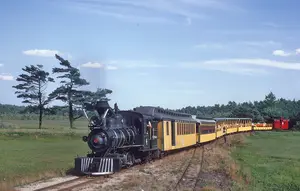
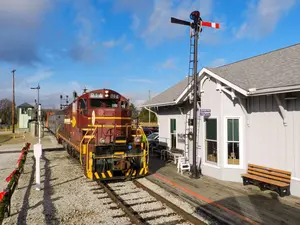
Unlike many museums, the Monticello Railway Museum is built around operating trains. On most weekends from late spring through fall, volunteer crews run passenger excursions over several miles of the museum’s own track.
These rides typically link the museum’s main campus at Nelson Crossing with the historic Wabash Depot in downtown Monticello, offering a round-trip that blends prairie scenery with the sights, sounds, and smells of vintage railroading.
The experience is deliberately unhurried; the point is to savor the click of wheels on jointed rail, feel the heft of restored coaches, and soak in the ritual of conductors calling “All aboard!”
How It Began
The Monticello Railway Museum, a nonprofit educational organization, began in 1966 as SPUR, Inc. (Society for the Perpetuation of Unretired Railfans), originally aiming to persuade the Chicago, Burlington & Quincy Railroad to continue steam-powered railfan excursions.
When that failed, SPUR sought to run its own steam excursions and scouted equipment and a route. Discussions with the Illinois Central Railroad about using the Rantoul District required costly compliance with ICC standards and union crews, leading SPUR to decline and keep searching.
Invited to Monticello, Illinois by a member of the Illinois Pioneer Heritage Center in 1966, SPUR moved its first artifact—locomotive #1, a 1925 Alco 0-4-0T—to a vacant lot near the center. The organization was renamed the Monticello & Sangamon Valley Railway Historical Society in 1970 and shortened to the Monticello Railway Museum in 1982.
The museum’s first land purchase was roughly five miles of former Illinois Terminal interurban right-of-way between Monticello and White Heath, then a ballasted grade. A former popcorn field became the yard and maintenance area, where volunteers relocated locomotive #1.
Volunteers laid about 2.5 miles of track toward White Heath, adding a run-around at Blacker’s, two miles from White Heath; that point became the north end. After 1988, the interurban segment was designated the Terminal Division.
In 1975, the site hosted the World Championship Old-Time Piano Playing Contest and Festival as a fundraiser, performed on a caboose-backed piano with lawn-chair seating. After about a decade, it moved to Monticello High School’s football field.
In 1987, the museum purchased 7.5 miles of Illinois Central Gulf Decatur District track between Monticello and White Heath, paralleling the interurban right-of-way. Volunteers built a connection from Nelson Crossing to the new line; after a Golden Spike ceremony, the first run into Monticello occurred. The former ICG route became the Central Division.
Current Collection
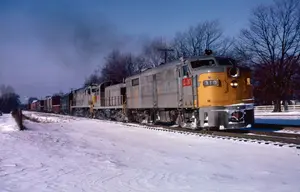
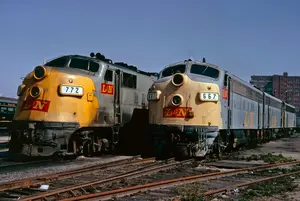
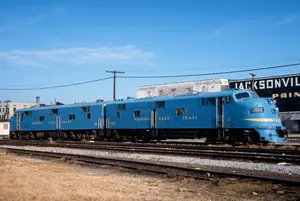
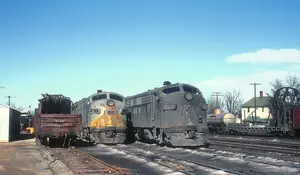
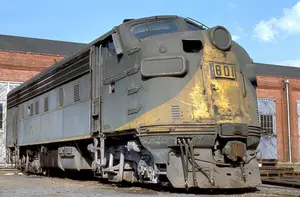
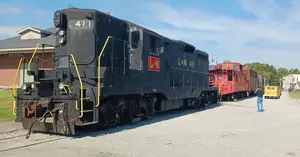
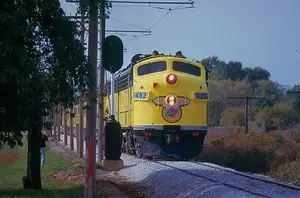
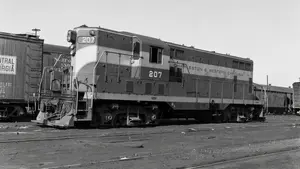
The collection is broad and distinctly Midwestern. You’ll find classic diesel-electric locomotives representing regional stalwarts like the Illinois Central, Wabash, and others, along with cabooses, heavyweight coaches, and maintenance-of-way equipment.
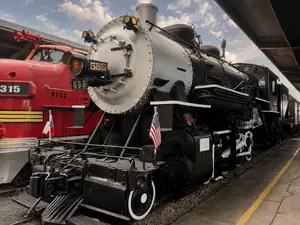
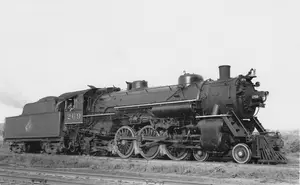
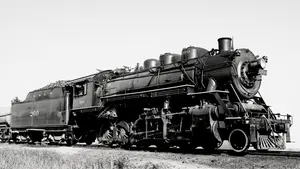
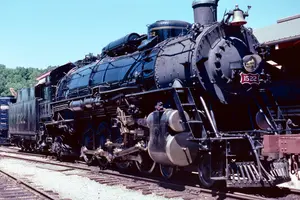
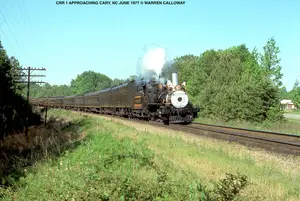
The museum is also home to a restored early 20th-century steam locomotive (Southern 2-8-0 #401 built by the Baldwin Locomotive Works in 1907) that occasionally appears for special events and photo opportunities.
While not every piece is operational, the ability to ride behind vintage power is central to the museum’s mission and sets it apart as an immersive, hands-on institution.
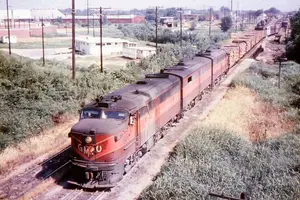
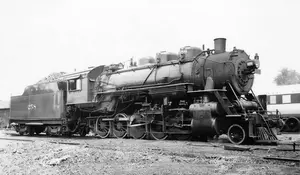
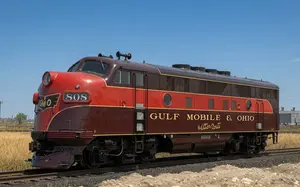
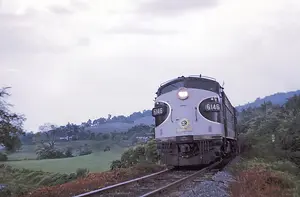
Other notable pieces include Wabash F7A #1189, Canadian National FPA4 #6789, Republic Steel 0-6-0 #191, Mississippi Eastern 4-6-0 #303, a rare RS1325 (Chicago & Illinois Midland #31), and many more.
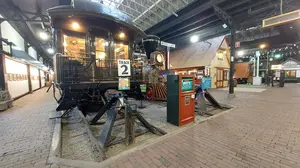
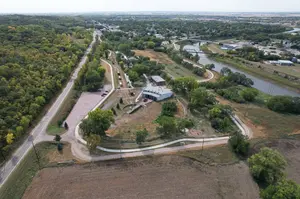
Historic depots and interpretive exhibits preserves not just rolling stock, but the places and practices of railroading. The museum's Nelson Crossing campus anchors most excursion departures and includes a depot, car barn, and restoration facilities where you can often glimpse work in progress.
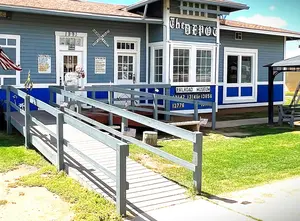
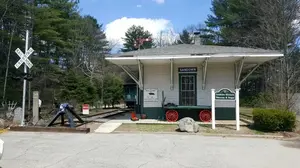
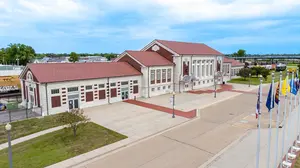
In town, the Wabash Depot—painstakingly preserved—offers a period setting for boarding trains during select weekends and events. Exhibits explain how railroads built communities like Monticello, moving everything from grain to mail and knitting together the region’s economic life.
Signature Events That Draw Crowds
Over the course of a year, the museum’s calendar ranges from low-key operating weekends to destination events:
Railroad Days: Typically held in late summer or early fall, this is the museum’s largest annual celebration. It usually features a beefed-up operating schedule, guest equipment when available, guided tours, and plenty of photo opportunities.
Throttle Time: A favorite among enthusiasts, this program allows adults to take the engineer’s seat of a vintage diesel locomotive under the guidance of an instructor. It’s an unforgettable way to deepen your appreciation for railroad craft.
Themed seasonal trains: Family-friendly specials—think summer fireworks trains, fall pumpkin or Halloween rides, and holiday trains—create traditions that bring visitors back year after year. Offerings can change season to season, so always check the current calendar.
Volunteer-driven preservation
Like most great rail museums, Monticello’s heartbeat is its volunteers. They staff trains, restore equipment, maintain track, and interpret exhibits. The result is a welcoming culture where questions are encouraged and curiosity is rewarded.
If you’ve ever wondered how to read a timetable, what a knuckle coupler does, or why heavyweight coaches ride the way they do, you’ll find someone eager to explain. For those who want to go deeper, the museum offers memberships, work sessions, and training that turn casual interest into active stewardship.
Planning Your Visit
The operating season generally runs from late spring through October, with trains on most weekends and additional dates for events. Grounds access is typically free, with tickets required for rides.
Parking is straightforward, and the setting is relaxed—picnic tables, open space, and plenty of room for kids to explore under watchful eyes.
Because the equipment is historic, accessibility can vary by car and by event; if someone in your party has mobility needs, it’s smart to contact the museum in advance so staff can advise on the best options.
The Polar Express At Monticello
The officially licensed The Polar Express is a beloved holiday production presented under license from Rail Events Productions and inspired by Chris Van Allsburg’s book and the Warner Bros. film.
Elements of the experience are consistent wherever it runs: hot chocolate and cookies served by dancing chefs, a dramatic reading of the story, the Conductor punching Golden Tickets, carols, a visit to the “North Pole,” and a keepsake silver bell from Santa—“the first gift of Christmas.” Pajamas are encouraged, smiles are inevitable, and trains are filled with families making core memories.
At various times, the museum has hosted holiday train experiences, and in some seasons has partnered to present officially licensed The Polar Express. Event availability, dates, and departure locations can change year to year based on scheduling, licensing, and logistics. When offered at Monticello, you can expect:
Timed, reserved seats: This event typically sells out quickly. Tickets are date- and time-specific, and often go on sale months in advance.
A one-hour-ish experience: Run times vary, but most productions aim for about 60–75 minutes from boarding to return.
Immersive onboard theatre: Cast members bring the story to life between stations, with music, choreography, and audience interaction designed for all ages.
Keepsakes and merchandise: Expect branded mugs, bells, and themed souvenirs, along with professional or volunteer photographers capturing the magic.
Practical tips: Dress for the weather—historic equipment can be toasty inside but platforms can be cold. Arrive early to park, pick up tickets if needed, and enjoy pre-boarding festivities. If you have accessibility questions, contact the museum before booking so staff can help select the best car and boarding location.
To learn more about the museum and purchasing tickets for official The Polar Express train rides please click here to visit their website.
Why Monticello Stands Out For Families
Holiday trains are special anywhere, but Monticello adds the warmth of a volunteer-run community museum. Crews tend to remember returning families, and kids often recognize the same friendly faces from summer rides to winter magic.
The museum’s manageable size, ample parking, and laid-back vibe reduce holiday stress, and the chance to step into a historic depot or peek at restoration work gives parents and grandparents plenty to talk about with young railfans-in-training.
Final Thoughts
Support that goes somewhere
Ticket revenue and donations fuel preservation—paint in the shop, timber for ties, brake valves rebuilt, upholstery restored, interpreters trained. When you buy a ticket to ride, you keep real trains rolling and real skills alive. That’s the intangible gift of a place like the Monticello Railway Museum: you don’t just observe history; you help carry it forward.
Whether you come for a summer excursion behind a vintage diesel or bundle up for a holiday journey to the “North Pole,” the museum invites you to slow down, look out the window, and rediscover the simple thrill of riding the rails.
Recent Articles


-
Louisville & Nashville Diesel Roster (All-Time)
Oct 12, 26 12:15 AM
 Louisville & Nashville diesel roster, all-time. Switchers from 1939, the cab units, and EMD, Alco, and GE hoods through the SD50s. The quantity column totals 1948 locomotives, plus 29 yard slugs.
 -
Louisville & Nashville Steam Roster (Post 1900)
Oct 11, 26 05:44 PM
 Louisville & Nashville steam since 1900. Drury's class grid: Consolidations, 165 heavy Mikados, 42 Big Emma 2-8-4s, Pacifics, and 22 Mountains. Last steam January 1957.
 -
Louisville and Nashville Railroad: Map, Rosters, History
Oct 11, 26 05:39 PM
 Louisville & Nashville, the Old Reliable. Charter of March 5, 1850, Milton H. Smith, the 921-mile main line, Big Emma, and the December 29, 1982 merger. Steam and diesel rosters are companion pages.
 -
Oregon Railroad Museums (2026): A Complete Guide
Oct 11, 26 05:19 PM
 Oregon railroad museums—the Oregon Rail Heritage Center, Brooks trolleys, Canby’s 1891 depot, Medford’s Willamette, and Train Mountain. Confirm hours on each site.
 -
Texas Railroad Museums (2026): A Complete Guide
Oct 11, 26 05:15 PM
 Texas railroad museums—Frisco’s Big Boy 4018, Galveston’s Santa Fe depot, Temple’s 1911 station, Plano’s interurban, and Fort Worth & Denver 304. Confirm hours on each site.
 -
Wisconsin Railroad Museums (2026): A Complete Guide
Oct 10, 26 11:51 PM
Wisconsin railroad museums—Green Bay’s Big Boy 4017 and Eisenhower’s A4, Mid-Continent at North Freedom, East Troy’s interurban, and the Riverside & Great Northern. Confirm hours on each site. -
Interstate Railroad (Virginia): Map, Roster, Logo, History
Oct 10, 26 11:22 PM
 Interstate Railroad, a Virginia coal road chartered February 18, 1896. Andover shops. Ten Alco RS3s, 30–39. Southern control in 1961. The company ended October 31, 1985.
 -
North Carolina Railroad Museums (2026): A Complete Guide
Oct 10, 26 11:16 PM
 North Carolina railroad museums—Spencer Shops, Wilmington’s Atlantic Coast Line 250, Hamlet’s Seaboard depot, and the New Hope Valley Railway. Confirm hours on each site.
 -
New Mexico Railroad Museums (2026): A Complete Guide
Oct 10, 26 10:54 PM
 New Mexico railroad museums—Santa Fe 2926 in Albuquerque, the Clovis depot, Alamogordo’s Toy Train Depot, and Belen. Confirm hours on each site.
 -
New York Railroad Museums (2026): A Complete Guide
Oct 10, 26 09:33 PM
 New York railroad museums—Phoenicia, Medina’s New York Central freight house, the Transit Museum, Long Island 35 and 39, and GG1 4933. Confirm hours on each site.
 -
Columbia, Newberry & Laurens Railroad: History, Timetable, Roster
Oct 10, 26 09:08 PM
 Columbia, Newberry & Laurens Railroad, Columbia to Laurens, 75 miles. Chartered in 1885. Five Atlantic Coast Line GP7s, 100–104. Merged into the Seaboard System on April 30, 1984.
 -
New Haven Diesel Roster (All-Time)
Oct 10, 26 06:35 PM
 New Haven diesel roster, all-time. 558 road numbers: 60 DL-109s, 30 FA-1s, 27 PA-1s, 60 FL9s, and the switchers from HH600 0900. Serials and order numbers.
 -
New Haven Steam Roster (Post 1900)
Oct 10, 26 06:31 PM
 New Haven steam since 1900. Drury's class grid: 226 Moguls, 33 Mikados, 50 Santa Fes, 70 Mountains, 141 Pacifics, and 10 Hudsons. Last fan trip July 19, 1953.
 -
New Haven Railroad: Rosters, Map, Logo, History, Trains
Oct 10, 26 06:26 PM
 New York, New Haven and Hartford. The Shore Line, Hell Gate, the 1952 map at 1,838.89 miles, and the railroad Penn Central took at 11:59:59 p.m. on December 31, 1968.
 -
C&O's 4-6-4 "Hudson" Locomotives (Class L): Specs, Roster, History
Oct 10, 26 05:36 PM
 Chesapeake & Ohio Class L 4-6-4 Hudsons. Eight L-2s, five L-1 rebuilds, five L-2-As. Specs, Baldwin works numbers, and the roster. No. 490 survives.
 -
Alton Railroad: Map, History, Timetables
Oct 09, 26 10:31 PM
 Alton Railroad, chartered February 27, 1847 as the Alton & Sangamon. Chicago, St. Louis, and Kansas City, the 1937 Official Guide, and the May 31, 1947 merger into the Gulf, Mobile & Ohio.
 -
Mobile & Ohio Steam Roster (Post 1900)
Oct 09, 26 12:26 PM
 Mobile & Ohio steam since 1900. Drury's class grid: 48 six-wheel switchers, 107 Ten-Wheelers, 15 Consolidations, 58 Mikados, and 14 Pacifics. Last revenue steam October 7, 1949.
 -
Mobile & Ohio Railroad: History, Map, Timetable
Oct 09, 26 11:31 AM
 Mobile & Ohio Railroad, chartered in 1848. Columbus on April 22, 1861, the Cairo & St. Louis, the March 1940 Official Guide, and the September 13, 1940 merger into the Gulf, Mobile & Ohio.
 -
Gulf, Mobile & Northern Steam Roster (Post 1900)
Oct 09, 26 10:42 AM
 Gulf, Mobile & Northern steam since 1900. Drury's class grid: Ten-Wheelers, Mikados, Russian Decapods, Pacifics 425 and 426, and three light 4-8-2s. Last revenue steam October 7, 1949.
 -
Gulf, Mobile & Ohio Diesel Roster (All-Time)
Oct 09, 26 10:41 AM
 Gulf, Mobile & Ohio diesel roster, all-time. The 1935 boxcab, DL-107s, 55 FA-1s, F3s and F7s, the Ingalls 4-S, GP30s through GP38-2s, and 21 SD40s. Serials and order numbers.
 -
Gulf, Mobile & Northern Railroad: History, Rebel Route
Oct 09, 26 10:36 AM
 Gulf, Mobile & Northern, from the 1890 Mobile, Jackson & Kansas City to the Rebel and the September 13, 1940 merger into the Gulf, Mobile & Ohio. Steam roster is the companion page.
 -
Gulf, Mobile & Ohio Railroad: Map, Photos, Trains, History
Oct 08, 26 11:48 PM
 Gulf, Mobile & Ohio, chartered in 1938 and merged September 13, 1940. The Mobile & Ohio, the Alton on May 31, 1947, the Rebel Route, and Illinois Central Gulf on August 10, 1972.
 -
New Jersey Railroad Museums (2026): A Complete Guide
Oct 08, 26 11:37 PM
 New Jersey railroad museums—Whippany, Maywood, Pine Creek, Mahwah’s Erie depot, Phillipsburg, and Boonton. Confirm hours on each site.
 -
New Hampshire Railroad Museums (2026): A Complete Guide
Oct 08, 26 11:34 PM
 New Hampshire railroad museums—North Conway, the Flying Yankee, Ashland, Gorham, Raymond, and Sandown. Confirm hours on each site.
 -
Missouri Railroad Museums (2026): A Complete Guide
Oct 08, 26 11:00 PM
 Missouri railroad museums—the National Museum of Transportation, Patee House, Frisco 4524, the Chicago & Alton depot, and Marceline. Confirm hours on each site.
 -
Milwaukee Road X3800: Deer Lodge’s Shop Goat
Oct 08, 26 04:28 PM
 Milwaukee Road X3800, the a home-built shop goat that served the Deer Lodge, MT yard. It was a 220-volt DC switcher, powered through an extension cord that moved electrics into a roundhouse where the…
 -
Key West Extension (Overseas Railroad): History, Construction, Decline
Oct 08, 26 03:59 PM
 Henry Flagler's Overseas Railroad, Miami to Key West, 1905–1935. The Seven Mile Bridge, the 1935 Labor Day Hurricane, and the road that became U.S. 1.
 -
Florida East Coast Steam Roster (Post 1900)
Oct 08, 26 02:34 PM
 Florida East Coast steam since 1897. Seventeen Ten-Wheelers, twenty Atlantics, eighty-seven Pacifics, ninety Mountains, fifteen Mikados, and the switchers.
 -
Florida East Coast Diesel Roster (All-Time)
Oct 08, 26 02:12 PM
 Florida East Coast diesel roster, all-time. E units from 1939, F3s, BL2s, GP7s and GP9s, the GP40-2 orders, 22 SD40-2s, and 24 ES44C4s. Serials and EMD order numbers.
 -
Florida East Coast Railway: Map, History, Rosters
Oct 08, 26 01:46 PM
 Florida East Coast Railway, Henry Flagler's line from Jacksonville to Miami and Key West. Receivership in 1931, the 1963 strike, Grupo México in 2017, and Brightline on the same track.
 -
Minnesota Railroad Museums (2026): A Complete Guide
Oct 08, 26 10:32 AM
Minnesota railroad museums—the Lake Superior Railroad Museum, Two Harbors, Jackson Street, Willmar’s Great Northern 2523, and Currie. Confirm hours on each site. -
Maine Railroad Museums (2026): A Complete Guide
Oct 08, 26 09:24 AM
 Maine railroad museums—Seashore Trolley, the two-foot lines at Portland, Alna, and Phillips, Boothbay, and the Bangor & Aroostook depots. Confirm hours on each site.
 -
Massachusetts Railroad Museums (2026): A Complete Guide
Oct 08, 26 12:08 AM
 Massachusetts railroad museums—Berkshire Scenic at Lenox, Shelburne Falls trolley No. 10, Edaville, Chatham’s 1887 depot, and Lowell. Confirm hours on each site.
 -
Clinchfield Steam Roster (Post 1900)
Oct 07, 26 12:09 PM
 Clinchfield steam since 1900. Fifteen H-4 Consolidations, K-1 Mikados, M-2 and M-3 Mallets, L-class 2-8-8-2s, eighteen Challengers. Class grid after Drury. Last steam April 16, 1954.
 -
Clinchfield Diesel Roster (All-Time)
Oct 07, 26 12:05 PM
 Clinchfield diesel roster, all-time. F3A 800, FP7 200, the F7s, GP7s, 25 SD40s, 18 SD45-2s, seven U36Cs, and the Family Lines hoods. Serials and EMD order numbers.
 -
Clinchfield Railroad: Map, Steam Locomotives, Roster, Logo
Oct 07, 26 12:02 PM
 Clinchfield Railroad, Elkhorn City to Spartanburg. George L. Carter, the Carolina, Clinchfield & Ohio, the 1924 lease, coal, the loops, and CSX. Steam and diesel rosters are companion pages.
 -
Kentucky Railroad Museums (2026): A Complete Guide
Oct 07, 26 11:39 AM
 Kentucky railroad museums—the Kentucky Railway Museum, Bowling Green’s L&N depot, Paducah, Versailles, and Covington. Confirm hours on each site.
 -
Kansas Railroad Museums (2026): A Complete Guide
Oct 07, 26 11:26 AM
 Kansas railroad museums—Santa Fe 3768 at Wichita, Santa Fe 132 in Topeka, the Great Overland Station, and Abilene. Confirm hours on each site.
 -
Cincinnati, New Orleans and Texas Pacific Diesel Roster (All-Time)
Oct 07, 26 10:38 AM
 All-time diesel roster of Southern locomotives lettered for the Cincinnati, New Orleans and Texas Pacific. Serials, order numbers, and builder dates.
 -
Cincinnati, New Orleans and Texas Pacific Railway
Oct 07, 26 10:31 AM
 Cincinnati, New Orleans and Texas Pacific Railway, incorporated September 8, 1881, to lease Cincinnati’s railroad to Chattanooga. Queen and Crescent route, Rathole, and the 2024 sale to Norfolk Southe…
 -
Indiana Railroad Museums (2026): A Complete Guide
Oct 07, 26 12:26 AM
Indiana railroad museums—Nickel Plate 765, Elkhart’s New York Central collection, French Lick, Linden’s junction depot, and Haley Tower. Confirm hours on each site. -
"Triplex" Steam Locomotive: Specs, History, Photos
Oct 06, 26 11:52 PM
 Erie class P-1 Triplex 2-8-8-8-2s. Three Baldwin compounds, 2603–2605, later 5014–5016, built 1914 and 1916. Matt H. Shay, the 1930 class card, and Virginian XA 700.
 -
Illinois Railroad Museums (2026): A Complete Guide
Oct 06, 26 11:47 PM
 Illinois railroad museums—the Illinois Railway Museum, Monticello, the Pioneer Zephyr, Galesburg’s Burlington 3006, and the depots. Confirm hours on each site.
 -
Iowa Railroad Museums (2026): A Complete Guide
Oct 06, 26 11:41 PM
 Iowa railroad museums—the Union Pacific Railroad Museum, RailsWest, Sioux City, Boone, and the National Hobo Museum in Britt. Confirm hours on each site.
 -
Charleston and Western Carolina Diesel Roster (All-Time)
Oct 06, 26 11:29 PM
Charleston and Western Carolina diesel roster. Twenty-one GP7s, two SW7s, two SW9s, and six F7As, all built 1950–1952. Serials, order numbers, and ACL and SCL numbers. -
Charleston and Western Carolina Railway: Map, History, Timetables
Oct 06, 26 11:18 PM
 Charleston and Western Carolina Railway, incorporated September 16, 1896. Port Royal to Spartanburg, with branches to Anderson and Greenville. Merged into the Atlantic Coast Line on December 31, 1959.
 -
Central of Georgia Steam Roster (Post 1900)
Oct 06, 26 04:00 PM
 Central of Georgia steam since 1900. Cooke Consolidations, Harriman Mikados, 32 Mountains, and eight Lima 4-8-4s. Class grid after Drury. Last steam May 1953.
 -
Central of Georgia Diesel Roster (All-Time)
Oct 06, 26 03:44 PM
 Central of Georgia diesel roster. SW1 No. 1 in 1939, E7s and E8s, nine F3As, 39 RS3s, GP7s through SD35s. Serials and order numbers.
 -
Central of Georgia Railway: Map, Logo, History, Rosters
Oct 06, 26 03:42 PM
 Central of Georgia Railway, from the 1833 Savannah charter to Southern control on June 17, 1963. Map, logos, Nancy Hanks II, and links to the steam and diesel rosters.
 -
Georgia Railroad Museums (2026): A Complete Guide
Oct 06, 26 03:33 PM
Georgia railroad museums—Savannah’s Central shops, Duluth, the General at Kennesaw, the Texas in Atlanta, Tifton, Waycross, and Albany. Confirm hours on each site.