
Lima Locomotive Works: History, Location, Factory, Demolition
Last revised: February 22, 2025
By: Adam Burns
What's interesting about the Lima Locomotive Works is that it was originally founded to build farm and general machinery equipment, not steam locomotives for the railroad industry.
The company began as the Lima Machine Works and it was Ephraim Shay's venerable geared locomotive design in the 1870s that ultimately led Lima to producing steam locomotives as its primary product of sale.
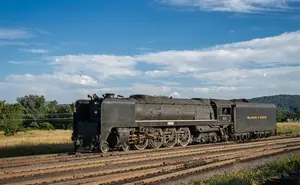
Lima was never a large locomotive producer and remained the third largest builder throughout its tenure but it was on the cutting age of new steam technology and designs. Aside from its license to build the Shay the company is also famous for its development of the 2-8-4 "Berkshire."
Lima was never as successful in the diesel locomotive market and after merging with Baldwin Locomotive Works in 1951 the Baldwin-Lima-Hamilton Corporation exited altogether by 1956. The Lima Machine Works had its start in 1869 setting out to build farm and sawmill machinery.
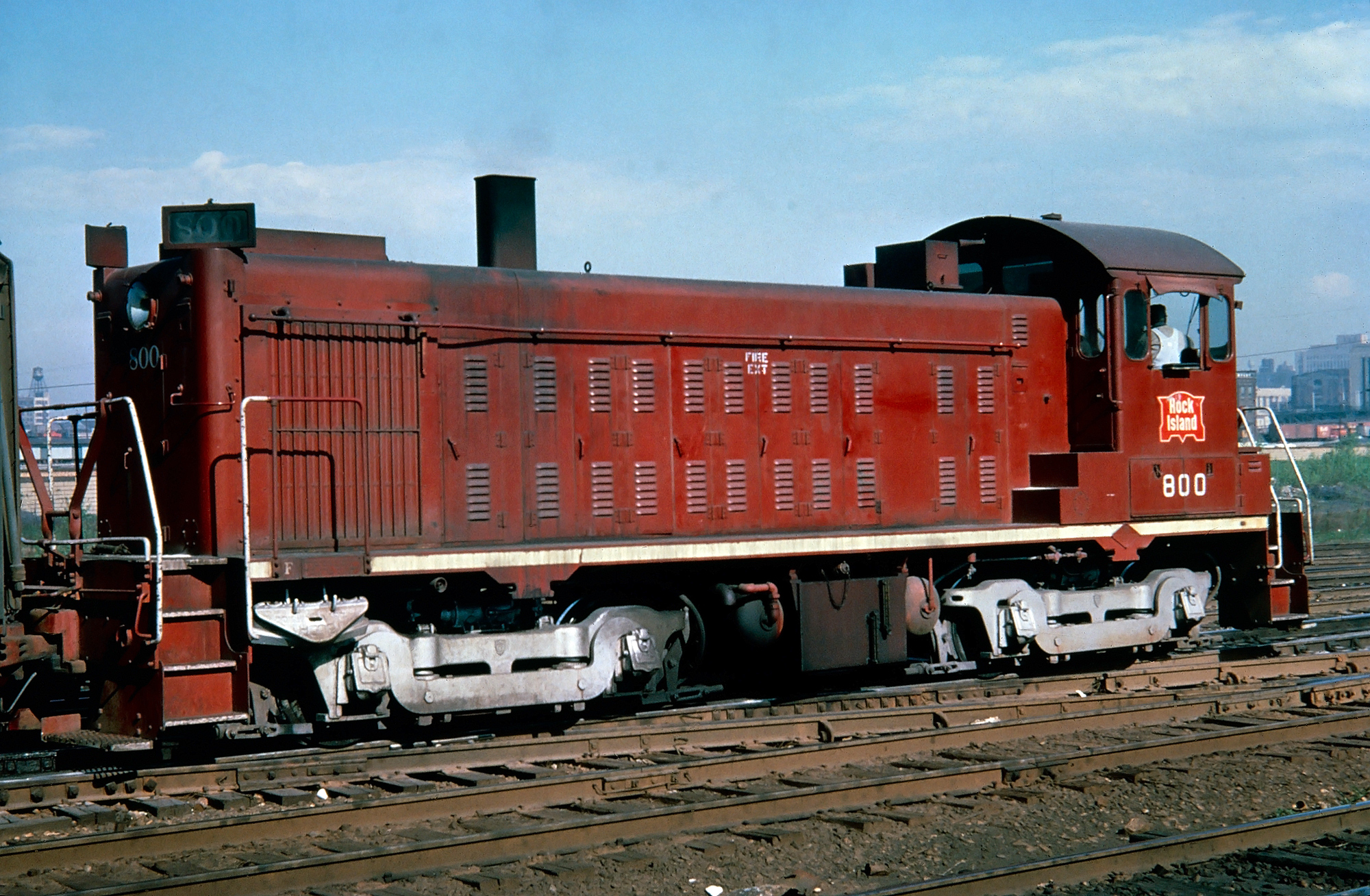 Rock Island #800, an 800 horsepower switcher produced by Lima-Hamilton, carries out switching chores in Chicago, circa 1960. This was one of two such switchers the Rock owned (#801), out-shopped by Lima in September, 1950. While often described as the "LS-800" by railfans, Lima did not designate model names for its brief diesel line. American-Rails.com collection.
History
The company gained its name from where it was headquartered, Lima, Ohio. However, less than ten years into business and the company found itself being requested to build a unique type of steam locomotive designed by Michigan logger, Ephraim Shay.
In the late 1870s through Shay's design and Lima's manufacturing ability the first prototype was turned out and eventually sold to a Michigan logging operation. Soon after the advantages of the design sparked mass interest, particularly by logging companies looking for a locomotive which could pull heavy tonnage over steep grades and rickety track.
Shay Locomotives
The demand for the Shay and license to build it ultimately led Lima to end machinery production and build steam locomotives full time. By 1892 the company had reorganized itself as the Lima Locomotive & Machine Company.
Geared steam locomotives function differently in one significant way from their standard rod-driven brethren (the common steam locomotive), they use a vertical or angled geared system as opposed to a standard horizontal driven rod for propulsion.
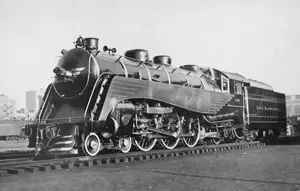
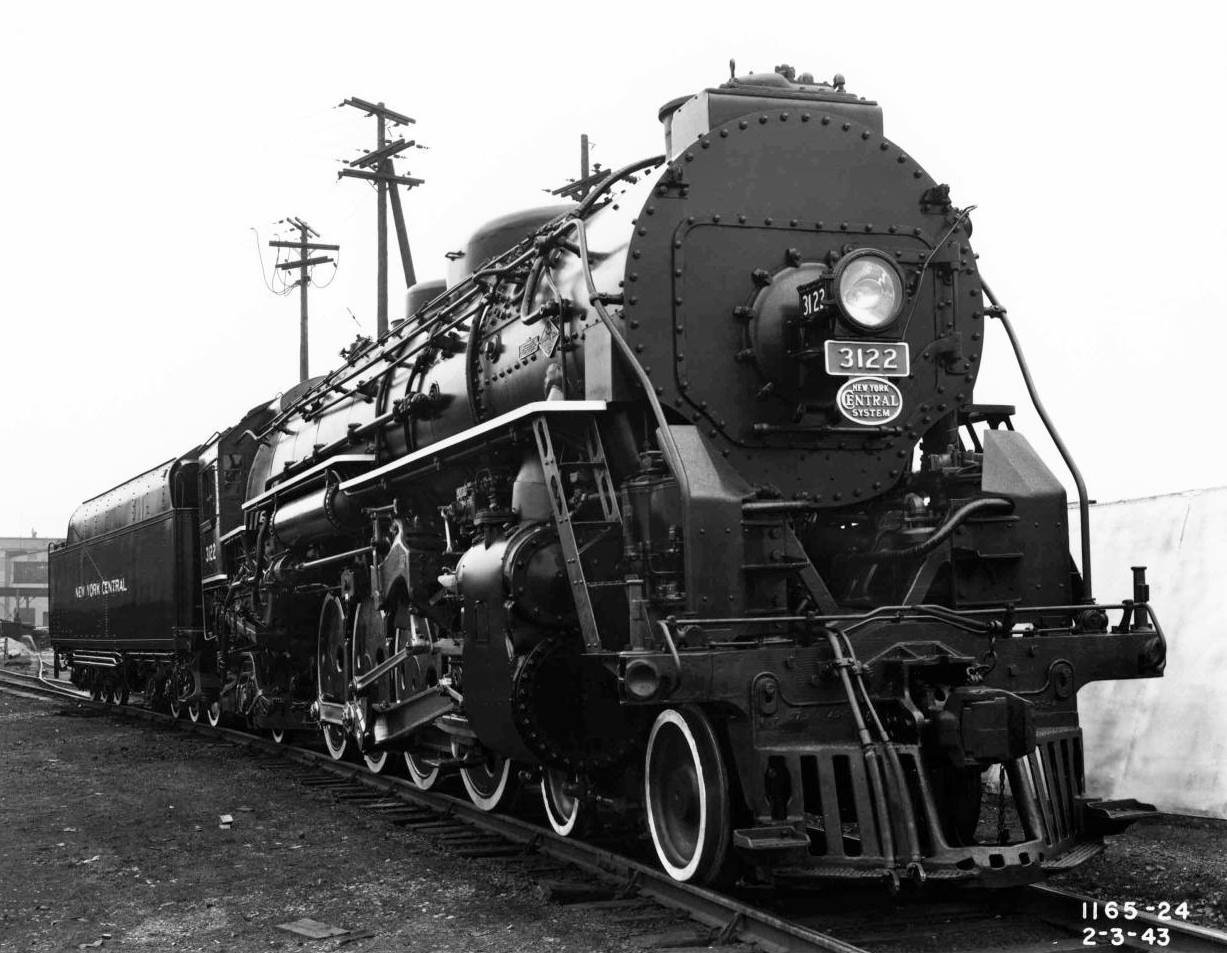 A Lima Locomotive builder's photo featuring freshly out-shopped New York Central 4-8-2 "Mohawk" #3122 (L-4b), taken on February 3, 1943. Like nearly all of NYC's late-era steam designs they were fine, reliable machines with an abundance of power.
How geared steam locomotives work, according to William E. Warden in his book West Virginia Logging Railroads, is that these cylinders drive a flexible line shaft with universal couplings and slip joints through bevel gears.
This flexibility thus allows each truck to negotiate the track independently of the other, thus keeping the locomotive on the rails and allowing it to operate over almost any type of track (which was usually nothing more than rails laid directly onto a hillside).
In the instance of the Shay steam locomotive design it gained propulsion through three vertical cylinders mounted on the right side of the boiler, which was then offset to the left to kept the locomotive properly balanced (also of note, Shays used Stephenson valve gear).
Because all geared steam locomotives have all of their trucks powered, they provided excellent adhesion and could climb grades well over 5% (something all but unthinkable on main line railroads), although this high adhesion factor limited its speed to under 20 mph.
Through the early 20th century the Shay was Lima's primary production locomotive. However, by 1912 Lima had reorganized itself as the Lima Locomotive Corporation to focus fully on building main line steam locomotives that incorporated both speed and power for Class I railroads.
It again changed names in 1916 to Lima Locomotive Works, Inc. when the company was purchased by Joel Coffin.
Into the 1920s and as the Lima Locomotive Works' production ramped up the company built several conventional steam locomotive designs such as 4-6-2 Pacifics, 2-8-0 Consolidations, 2-6-2 Prairies, and conventional switch engines (i.e., those with no front or trailing trucks).
However, the builder truly distinguished itself in the mid-1920s when it developed the 2-8-4 Berkshire by way of its ingenious engineer, William Woodward.
At A Glance
Lima Locomotive & Machine Works (1892) Lima Locomotive Corporation (1912) Lima Locomotive Works, Inc. (1916) Lima-Hamilton Corporation (1947) | |
Shay Geared Steam Locomotive (1878) 2-8-4 "Super Power" Design (February, 1925) Southern Pacific 2-8-8-4 Virginian Railway 2-6-6-6 | |
Working in conjunction with the New York Central railroad Woodward intended to improve the USRA Mikado design (2-8-2), which lacked sufficient speed and horsepower.
Based initially from a NYC H-7 Mikado design, what Lima ultimately came up with was a locomotive that included a larger, 100 square foot firebox that necessitated the need for an extra trailing axle giving the locomotive (designated a Class A-1) a 2-8-4 wheel arrangement.
This new locomotive would get its name, Berkshire, because of where it was first tested, the Berkshire Hills on the Boston & Albany Railroad (owned by the NYC) in 1925.
After very successful tests against a Class H-10 Mikado where the Class A-1 easily outperformed the Mikado (the Class A-1 left Selkirk Yard nearly 50 minutes after the Class H-10 and pulled a train that was over 600 tons heavier, yet arrived at North Adams Junction ten minutes ahead of the Mikado!), the B&A quickly ordered 45 Berkshires.
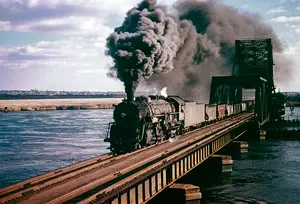
In all some nineteen different railroads would purchase the successful Berks with the Erie Railroad owning the most, 105; in all over 600 of the locomotives were built from the three largest manufacturers, Alco, Lima and Baldwin.
Of note regarding the Berkshire was the 90 owned by the Chesapeake & Ohio Railway who called them Kanawhas. With the success of the Berk, Lima looked to improved and/or build other larger designs such as the 2-10-4 Texas Type and 4-8-4 Northern.
The builder looked to further its steam locomotive technology with the development of a 4-8-6 wheel arrangement, which had an even larger firebox than a Northern but the locomotive was never built.
Lima-Hamilton Corporation
In 1947 the Lima Locomotive Works merged with the General Machinery Corporation to form the Lima-Hamilton Corporation. By this time steam was waning in favor of the diesel-electric and in 1949 Lima outshopped its final steamer.
Between 1949 and 1951 Lima had just enough time to develop four switcher types, one road-switcher, and a transfer unit before its acquisition by Baldwin.
On November 30, 1950, Baldwin ceased all new locomotive production at the Lima facility although for nearly a year the plant continued to hum with activity as orders were completed.
The final unit completed was Pennsylvania Railroad #5683, a 2,500 horsepower transfer locomotive which was completed on September 11, 1951.
Diesel Models
Please note that the below model designations are generic, Lima never cataloged their diesels with a specific name.
Switchers
| Model Type | Units Built | Date Built | Horsepower |
|---|---|---|---|
| LS-750 | 6 | 1949-1951 | 750 | LS-800 | 23 | 1950-1951 | 800 | LS-1000 | 38 | 1949-1950 | 1,000 | LS-1200 | 69 | 1950-1951 | 1,200 |
Road Switchers
| Model Type | Units Built | Date Built | Horsepower |
|---|---|---|---|
| LRS-1200 | 16 | 1950 | 1,200 |
Transfer Switchers
| Model Type | Units Built | Date Built | Horsepower |
|---|---|---|---|
| LT-2500 | 22 | 1950-1951 | 2,500 |
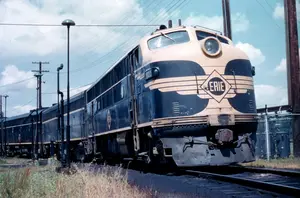
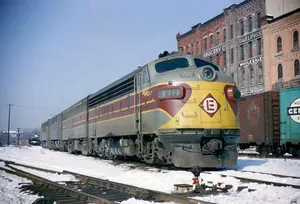
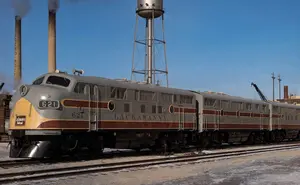
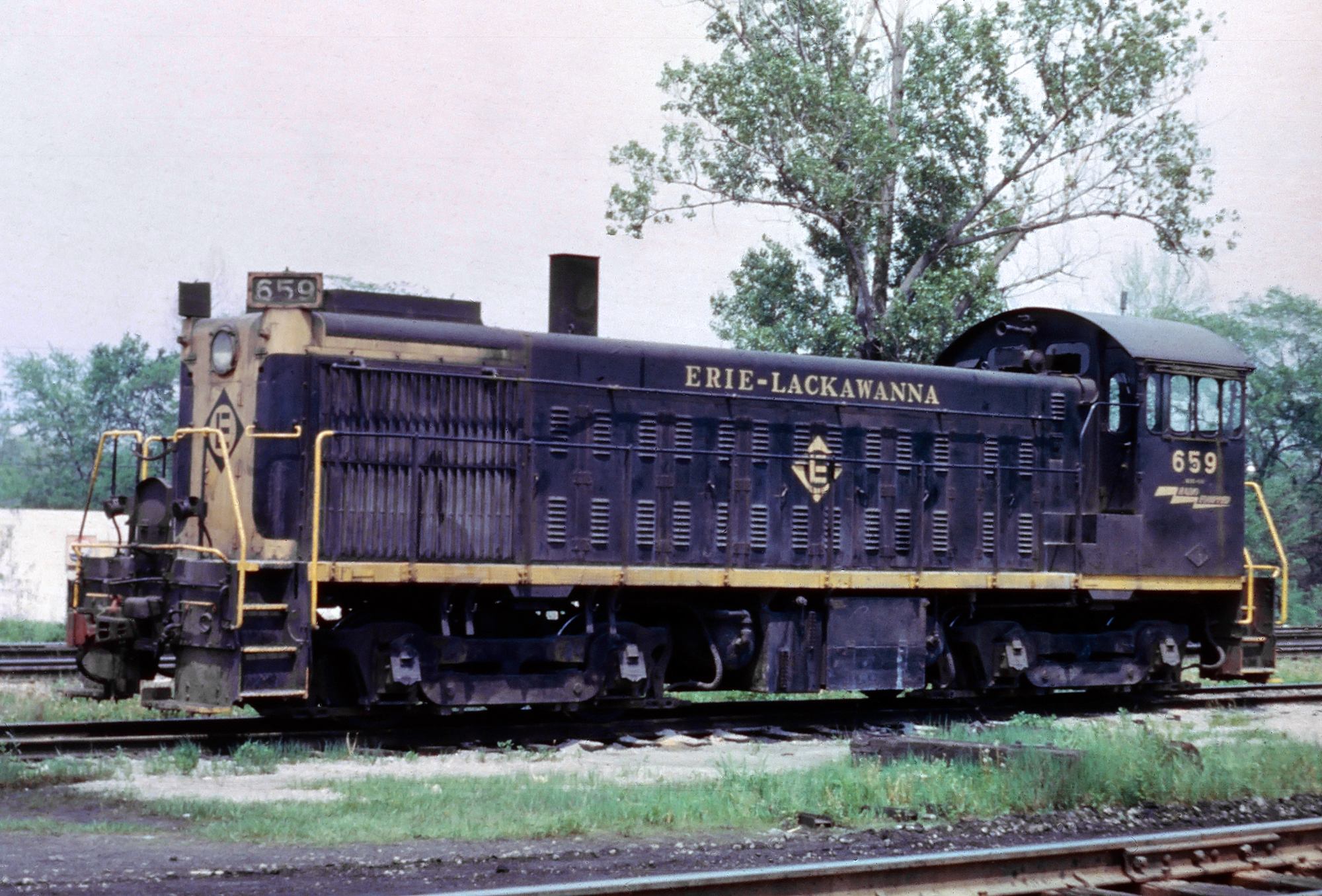 Erie Lackawanna #659, one of Lima's rare 1,000 horsepower switchers built for the Erie in 1949, is seen here at Buffalo, New York in July, 1968. American-Rails.com collection.
Postscript
BLH ceased production on diesels at its remaining plant in Eddystone, Pennsylvania by 1955 and a year later had exited the market altogether. In 1965 BLH was sold to Armour & Company, which itself was purchased by the Greyhound Corporation in 1970, which dissolved BLH by 1972.
After locomotive production ceased the plant, which was wedged between the Nickel Plate Road's massive yard and the Baltimore & Ohio's main line located in the city's southwest quadrant, moved on to build road graders and general construction equipment under the Baldwin-Lima-Hamilton name.
In 1971 it became the Clark Equipment Company and production ceased entirely in 1980. The Lima factory and shops sat dormant for nearly two more decades until they were finally demolished in 1997. Since that time the land has remained dormant.
Sources
- Kirkland, John F. Diesel Builders, The: Volume One, Fairbanks-Morse And Lima-Hamilton. Glendale: Interurban Press, 1985.
- Marre, Louis A. Diesel Locomotives: The First 50 Years, A Guide To Diesels Built Before 1972. Milwaukee: Kalmbach Publishing Company, 1995.
- Schafer, Mike. Vintage Diesel Locomotives. Osceola: MBI Publishing, 1998.
- Solomon, Brian. American Diesel Locomotive, The. Osceola: MBI Publishing, 2000.
Recent Articles


-
Nevada Northern Taste of Italy Dinner Train (2026)
Sep 20, 26 03:25 PM
 2026 Nevada Northern Taste of Italy—adults-only multi-course Italian dinner, steam when healthy, East Ely. Sep. 19 gala listed. Confirm on nnry.com.
 -
Cape Cod Dinner Train (2026): Dates, Tickets & What to Expect
Sep 20, 26 02:53 PM
 Cape Cod Central Dinner Train—Hyannis, Buzzards Bay, and Falmouth. Four-course, 3–3½ hours, from $99.99. Confirm on capetrain.com.
 -
Erie Steam Locomotives: History, Roster & Photos
Sep 20, 26 11:55 AM
 Erie Railroad steam—Camelback 2-8-0s, 155 N-1 Mikados, 105 Berkshires, K-class Pacifics, Triplexes. Post-1900 roster after Drury. Last steam March 17, 1954.
 -
Erie Railroad Diesel Roster: All-Time
Sep 20, 26 11:47 AM
 Erie Railroad diesel—boxcabs 1926, FTs 1944, F3/F7, FA/PA, GP7/GP9, Baldwins, Limas. All-time roster with serials, orders, classes. Last steam March 17 1954. EL October 17 1960.
 -
Erie Railroad: Map, Passenger Trains, Logo, History
Sep 20, 26 11:44 AM
 Erie Railroad—New York & Erie 1832, Piermont–Dunkirk May 14 1851, six-foot then standard June 1880, Chicago 1883. High-and-wide fourth way. Erie Lackawanna October 17 1960.
 -
Colebrookdale Railroad Dining (2026): Secret Valley Dinner Train
Sep 20, 26 11:36 AM
 2026 Colebrookdale Railroad dinner in Boyertown—Secret Valley Dining Class, about 2 hours. Saturday evenings. Confirm on colebrookdalerailroad.com.
 -
Boone & Scenic Valley Wolf Dinner Train (2026)
Sep 19, 26 08:15 PM
 2026 Boone & Scenic Valley Wolf Dinner Train—Des Moines River valley, Bass Point Creek High Bridge, Union Pacific dining cars. Confirm on bsvrr.com.
 -
C&NW 4-6-2s 1617 & 1620: Minnesota 400 Yellow Jackets
Sep 19, 26 11:28 AM
 C&NW Class E Pacifics 1617 and 1620—Alco Schenectady 1917, yellow-and-green E-4-style shrouds 1941 for the Minnesota 400. Crews called them Yellow Jackets. Renumbered 617/620. Scrapped 1956.
 -
Erie Lackawanna Diesel Roster: All-Time
Sep 19, 26 10:13 AM
 Erie Lackawanna diesel—Erie and DL&W inheritance, GP35s, U25Bs, SD45/SDP45/SD45-2, U34CH. All-time roster with serials and orders. Conrail April 1 1976.
 -
Erie Lackawanna Railway: Map, History, Logo
Sep 19, 26 10:06 AM
 Erie Lackawanna Railway—Erie and DL&W, October 17 1960–March 31 1976. Von Willer, White revival, Dereco, Agnes, Conrail. High-and-wide Chicago main. Map, logo, what remains.
 -
"Empire State Express" (1941 Train): Timetables, Route, Consist
Sep 18, 26 10:59 PM
 NYC Empire State Express—George Daniels 1891 day train, 999’s 112.5 mph claim, Budd stainless streamliner December 7 1941, Cleveland and Detroit sections, diesels, 1967 name drop. Timetables, consist…
 -
New York Central 4-6-4s 5426 & 5429: Empire State Express Hudsons
Sep 18, 26 10:32 PM
 NYC J-3a Hudsons 5426 and 5429—Alco 1937, Budd stainless shrouds 1941 for the Empire State Express. Pearl Harbor inaugural. Shrouds off by 1950. Neither preserved.
 -
"Stourbridge Lion" Locomotive: Facts, History, Photos
Sep 18, 26 10:27 PM
 Stourbridge Lion—Foster, Rastrick 0-4-0, first steam locomotive in the United States. Horatio Allen, Honesdale, August 8, 1829. Too heavy for D&H gravity track. Boiler in Baltimore; Colonie replic…
 -
Delaware & Hudson Steam Roster (Post 1900)
Sep 18, 26 10:01 PM
 Delaware & Hudson steam—Camelback 2-8-0s, Loree high-pressure compounds, Class K 4-8-4s, forty Challengers. Post-1900 class roster after Drury. Last steam July 21, 1953.
 -
Boston & Maine Steam Roster (Post 1900)
Sep 18, 26 02:57 PM
 Boston & Maine steam—B-15 Moguls, K-8 Consolidations, P-4 Lima Pacifics, T-1 Limas, R-1 Mountains. Post-1900 class roster after Drury. Last steam July 23, 1956.
 -
Boston & Maine Diesel Roster (All-Time)
Sep 18, 26 01:25 PM
 Boston & Maine diesel—boxcab 1100 1935, Flying Yankee 6000, FTs, E7s, BL2s, GP7/GP9, GP38-2s and GP40-2s. All-time roster. Last steam July 23, 1956.
 -
Mid-Continent Railway Museum Dining (2026)
Sep 18, 26 01:21 PM
 2026 Mid-Continent dining in North Freedom—select-date seated meals in luxury cars, reservations required. Pizza Limited June 28. Confirm on midcontinent.org.
 -
Bessemer & Lake Erie Steam Roster (Post 1900)
Sep 18, 26 12:11 PM
 Bessemer & Lake Erie steam—C3A 150–151, D1A/D2A Santa Fes, 47 H1 Texas types after Burlington. Post-1900 class roster after Drury. Last steam 2-8-0 156, May 14, 1953.
 -
Bessemer & Lake Erie Diesel Roster (All Time)
Sep 18, 26 12:09 PM
 Bessemer & Lake Erie diesel—Westinghouse 281 1936, Baldwin DRS-6-6-1500s, F7s 1950–53, SD7/SD9/SD18/SD38 family, RSD-15s. All-time roster. Last steam 2-8-0 156, May 14, 1953.
 -
Bangor & Aroostook Steam Roster (Post 1900)
Sep 18, 26 11:21 AM
 Bangor & Aroostook steam—Manchester Ten-Wheelers, Alco Mountains 100–109, G-2 Consolidations, Pacifics 250–254. Post-1900 class roster after Drury. Last steam Pacific 251, July 22, 1951.
 -
Bangor & Aroostook Diesel Roster (All Time)
Sep 18, 26 11:09 AM
 Bangor & Aroostook diesel—F3s 1947, eight BL2s, E7s, GP7s leased to the PRR, GP9s, GP38s. All-time roster. Last regular steam July 22, 1951.
 -
B&O Steam Locomotive Roster (Post 1900)
Sep 18, 26 10:33 AM
 Baltimore & Ohio steam—Old Maude, E-27 Consolidations, Q Mikados, Big Sixes, EM-1 Yellowstones, President Pacifics. Post-1900 class roster after Drury. Last public steam May 17, 1958.
 -
Baltimore & Ohio (B&O): Diesel Roster (All-Time)
Sep 18, 26 10:28 AM
 Baltimore & Ohio diesel—boxcab 1925, EMC 50 1935, EA 1937, FTs, F3s, F7s, FA-2s, sharks, GP7/GP9, GP30s after C&O 1963, SD50s 8576–8595 1984. All-time roster. Last steam 1958.
 -
Detroit & Toledo Shore Line Railroad: Map, Roster, History
Sep 18, 26 12:32 AM
 Detroit & Toledo Shore Line—Pleasant Bay 1898, named 1899, Detroit–Toledo freight bridge, GTW and Clover Leaf/NKP/N&W. Merged into Grand Trunk Western June 26, 1981.
 -
Lackawanna Steam Locomotives: History, Roster & Photos
Sep 18, 26 12:17 AM
 Delaware, Lackawanna & Western steam—Camelback 2-8-0s, Mikados, freight Pacifics, Poconos 4-8-4s, Hudsons. Post-1900 roster after Drury. Last steam July 13, 1953.
 -
Lackawanna (DL&W) Diesel Roster: All Time
Sep 18, 26 12:11 AM
Delaware, Lackawanna & Western diesel—boxcabs 1926, EMC SC 425–426 1935, FTs 1945, F3/F7/E8, GP7s, RS-3s, FM Train Masters. All-time roster. Last steam 1953. -
Lackawanna Railroad: Map, History, Viaducts, Rosters
Sep 18, 26 12:04 AM
 TDelaware, Lackawanna & Western—Liggett’s Gap 1832, named March 11 1853, Hoboken–Buffalo, anthracite, Phoebe Snow, Cutoff and Tunkhannock. It merged with the Erie to form Erie Lackawanna on Octobe…
 -
Rail News, The Latest
Sep 17, 26 11:56 PM
This page provides a portal to the latest in rail news, from preservation and restortation subjects to other notable topics. -
Union Pacific Big Boy 4014 Sets First Holiday Tour for Make-A-Wish
Sep 17, 26 11:54 PM
Union Pacific Big Boy 4014’s first holiday tour: Cheyenne–Denver tickets, Nov. 21 Denver-area display, Make-A-Wish. Museum patrons Oct. 16; public Oct. 19. -
Conrail Diesel Roster (All Time)
Sep 17, 26 10:27 PM
Conrail diesel—~5,000 inherited 1976, Big Blue, GP15-1s, SD40-2s, SD50s, Dash-8s, SD60/60M/60I, SD80MACs. All-time CR-number roster. -
Chessie System (Railroad): The C&O, B&O, And WM
Sep 17, 26 09:38 PM
 Chessie System, Inc.—C&O, B&O, and Western Maryland. Kitten-C paint 1972, holding company February 26 1973, CSX November 1 1980, C&O into CSXT August 31 1987.
 -
Chesapeake & Ohio (C&O) Diesel Roster: All-Time
Sep 17, 26 06:01 PM
Chesapeake & Ohio diesel—late steam, no Fairbanks-Morse, E7s 1946, GP7/GP9 flood, F7s, GP40-2s, B30-7s, SD50s 1984–85. All-time roster. Steam ended 1956. -
Chesapeake & Ohio (C&O) Steam Roster: Post-1900
Sep 17, 26 03:18 PM
 Chesapeake & Ohio steam—H-8 Alleghenies, K-4 Kanawhas, T-1 Texas, Greenbriers, H-6 1949 Mallets. Post-1900 class roster including Pere Marquette and Hocking Valley. Last steam 1956.
 -
Chesapeake and Ohio Railway: Map, Logo, History
Sep 17, 26 02:36 PM
 Chesapeake & Ohio Railway—Louisa Railroad 1836, named August 31 1868, Ohio River 1873. Coal, Chessie the kitten, Pere Marquette 1947, B&O control 1963, into CSX August 31 1987. Complete corporate…
 -
TVRM Valentine Train Ride (2026)
Sep 17, 26 02:31 PM
 2026 TVRM Valentine Train Ride in Chattanooga—Feb. 6–15, plated dinner, Grand Junction Depot. Confirm on tvrail.com.
 -
River Fox Train Dining (2026)
Sep 17, 26 02:29 PM
 2026 River Fox Train in West Sacramento—Brunch Train and Murder Mystery dinner. 18095 County Road 117. Confirm on riverfoxtrain.com.
 -
Weehawken Terminal, Serving The West Shore Railroad
Sep 17, 26 01:38 PM
 Weehawken Terminal—West Shore / New York Central Hudson waterfront station, opened 1884. Five ferry slips, sixteen tracks, Weehawken Tunnel 4,014 feet. Last ferry March 25, 1959. Port Imperial and HBL…
 -
West Shore Railroad: Map, History, Timetables
Sep 17, 26 01:32 PM
 West Shore Railroad—New York, West Shore & Buffalo 1880–83, Weehawken to Buffalo. PRR-backed rival to the Central. Morgan settlement, 475-year NYC lease January 1 1886. CSX River Sub today.
 -
Jersey Central Diesel Locomotives: History, Roster & Photos
Sep 17, 26 01:20 PM
 Central Railroad of New Jersey diesel—boxcab 1000, Baldwin double-enders, F3s, Train Masters, SD35s, GP40Ps. All-time roster. Steam ended July 1, 1954.
 -
Jersey Central Steam Locomotives: History, Roster & Photos
Sep 17, 26 01:17 PM
 Central Railroad of New Jersey steam—Camelback Ten-Wheelers, USRA Mikados, G-class Pacifics, suburban tanks. Post-1900 class roster after Drury. Dieselized July 1, 1954.
 -
Jersey Central Railroad (CNJ): Map, Rosters, History
Sep 17, 26 01:14 PM
 Central Railroad of New Jersey—Elizabethtown & Somerville 1831, named April 23 1849. Communipaw, anthracite, Blue Comet, Reading/B&O control. Conrail April 1 1976. Complete corporate history.
 -
Central Vermont Diesel Locomotives: History, Roster & Photos
Sep 17, 26 11:35 AM
 Central Vermont diesel—Alco S-2s 1942, RS-3s, RS-11s from DW&P, EMD GP9s 1956–57, GP38ACs 1971. All-time roster. Last steam April 4, 1957.
 -
Central Vermont Steam Locomotives: History, Roster & Photos
Sep 17, 26 11:19 AM
 Central Vermont steam—ten Alco 2-10-4s of 1928, four U-1-a Mountains, Consolidations. Post-1900 class roster after Drury. Last steam April 4, 1957.
 -
Central Vermont Railway: Map, Logo, Rosters
Sep 17, 26 11:03 AM
 Central Vermont Railway—Vermont Central charter October 1843, Bethel–White River Junction June 26, 1848. Grand Trunk 1898, CN 1923, RailTex/NECR 1995. Complete corporate history.
 -
Fitchburg Railroad: Map, History, Timetables
Sep 17, 26 10:40 AM
 Fitchburg Railroad—chartered March 3, 1842, Boston–Fitchburg March 5, 1845. Alvah Crocker, Hoosac west door, Vermont & Massachusetts, Cheshire. B&M 99-year lease July 1, 1900. Complete corpora…
 -
Steam Railroading Institute Dining (2026)
Sep 17, 26 10:30 AM
 2026 SRI Owosso dining—vintage dining cars, select evenings. 2026 dinner calendar not posted; 2025 Up In Smoke is the recent example. Confirm on michigansteamtrain.com.
 -
Canadian Pacific Railway: Map, History, Logo, Photos
Sep 17, 26 12:06 AM
 Canadian Pacific Railway—incorporated February 16, 1881. Last spike Craigellachie November 7, 1885. Soo, Milwaukee, D&H, DM&E. CPKC April 14, 2023. Complete corporate history.
 -
Canadian Pacific Diesel Locomotives: History, Roster & Photos
Sep 17, 26 12:03 AM
 Canadian Pacific diesel—E8A 1800 in 1949, FP7/FP9, FA-2, C424, SD40-2, SD40-2F Red Barns, AC4400CW, ES44AC, SD30C-ECO, SD70ACu heritage. All-time roster. Last steam November 6, 1960.
 -
Canadian Pacific Steam Locomotives: History, Roster & Photos
Sep 16, 26 11:35 PM
 Canadian Pacific steam—3,257 engines 1881–1949. D10 Ten-Wheelers, G3 Pacifics, Royal Hudsons, Selkirk 2-10-4s. Post-1900 class roster after Drury. Last steam November 6, 1960.
 -
Woodstown Central Dining in Motion (2026)
Sep 16, 26 11:31 PM
 2026 Woodstown Central Dining in Motion—Salem County table car, 50–60 minutes, private table of four from $190. Confirm on woodstowncentral.com.

%2C%20out-shopped%20by%20Lima%20in%20September%2C%201950.%20%20While%20often%20described%20as%20the%20%22LS-800%22%20by%20railfans%2C%20Lima%20did%20not%20designate%20model%20names%20for%20its%20brief%20diesel%20line.%20%20American-Rails.com%20collection.)
%2C%20taken%20on%20February%203%2C%201943.%20Like%20nearly%20all%20of%20NYC's%20late-era%20steam%20designs%20they%20were%20fine%2C%20reliable%20machines%20with%20an%20abundance%20of%20power.)
