Challenges Facing Railroads In The Modern Era
Published: January 12, 2025
By: Adam Burns
The U.S. railroad industry, a critical component of the nation's transportation network and economic infrastructure, is grappling with several significant challenges.
These challenges, if left unaddressed, could impact the efficiency, effectiveness, and competitiveness of railroads. The primary challenges include competition with other modes of transport, aging infrastructure, and investment needs.
Unfortunately, this is not a new issue with the industry. Railroads have been in a perpetual decline since the 1950s, although today the network has vastly improved since the Staggers Act of 1980 and currently handles more tonnage than at any point in history. Below, is a brief assessment of these challenges in detail.
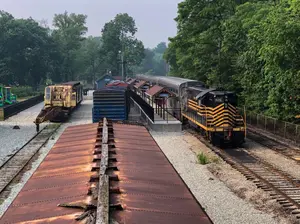
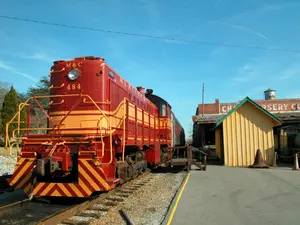
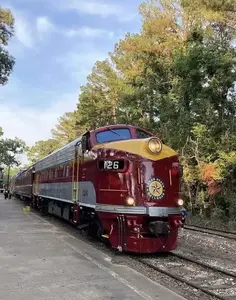
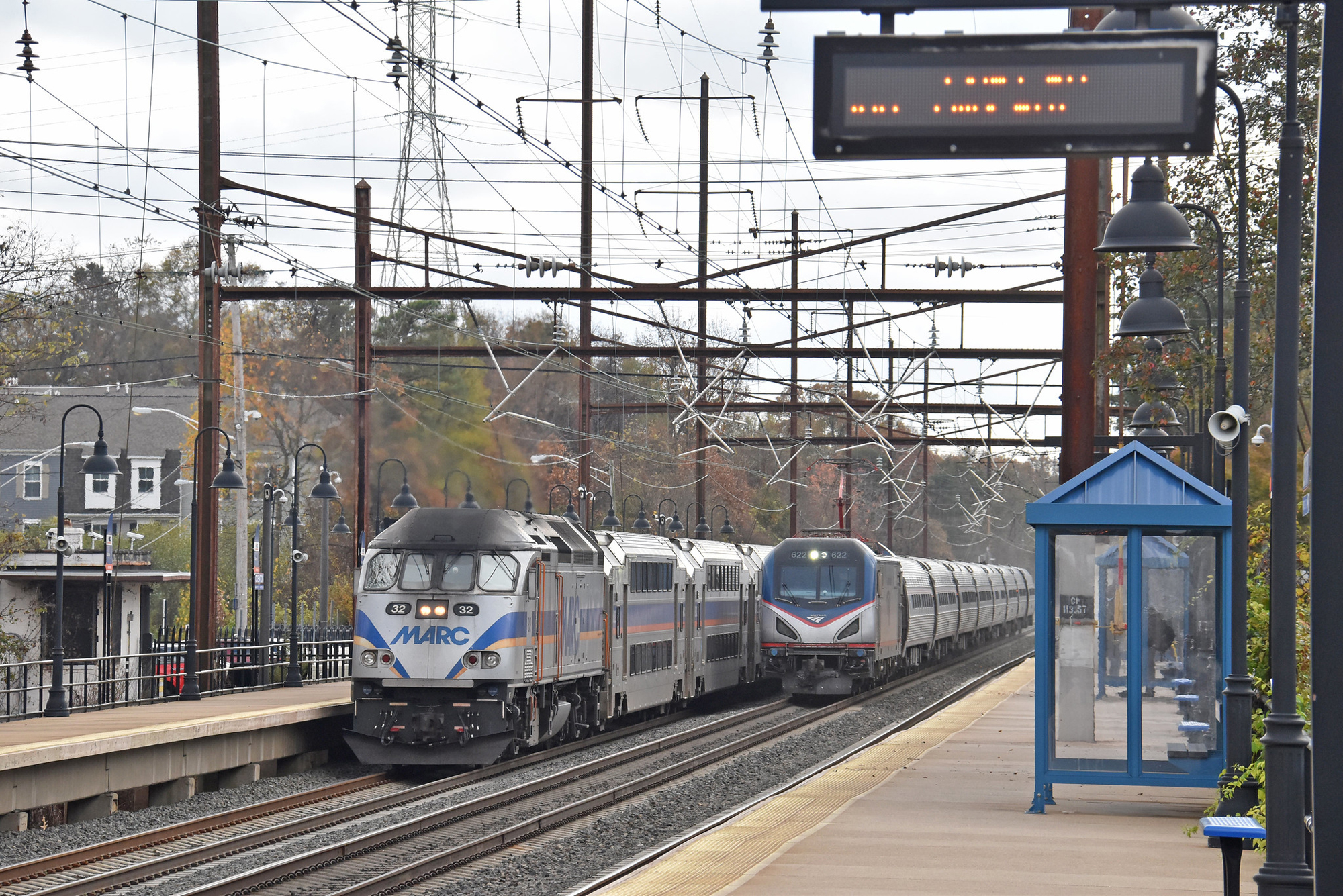 MARC MP36PH-3C #32 has Train #422 as it makes a station stop at Odenton, Maryland on November 15, 2024. On the next track over is a northbound Amtrak regional service. Doug Kroll photo.
Competition with Other Modes of Transport
The railroad industry in the U.S. faces intense competition from other modes of transportation, particularly trucking and air freight.
Trucking Industry
- **Flexibility and Speed:** Trucks offer door-to-door delivery, which provides flexibility that railroads can't match. The quick response time and rising expectations for speedy delivery, especially in the e-commerce sector, play to the strengths of trucking.
- **Infrastructure Advantages:** Trucks benefit from an extensive and well-maintained highway system, which reduces logistical hurdles and improves efficiency in transportation.
Air Freight
- **Speed and Efficiency:** Air freight is the preferred mode for long-distance and high-value goods where speed is crucial. With the advent of a global economy, the demand for rapid delivery and long-distance shipping has increased, which has benefited air over rail freight.
- **Technological Innovations:** Advances in aerospace technology and logistics, along with improved management of supply chains, have made air freight more competitive.
Water Transport
- **Cost-Effectiveness:** Shipping by water remains one of the most cost-effective ways to move large volumes of goods over long distances. While not a direct competitor for time-sensitive cargo, water transport competes with rail for bulk shipments in many instances.
- **Environmental Considerations:** As industries strive for greener solutions, water transport’s lower carbon footprint compared to rail can be appealing, especially for environmentally conscious businesses or those under regulatory pressures.
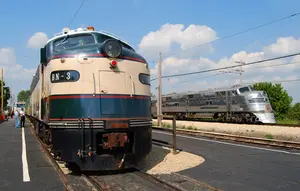
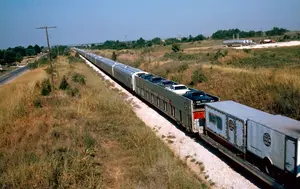
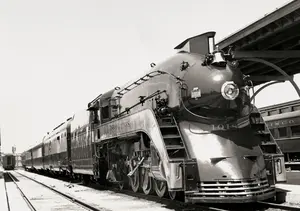
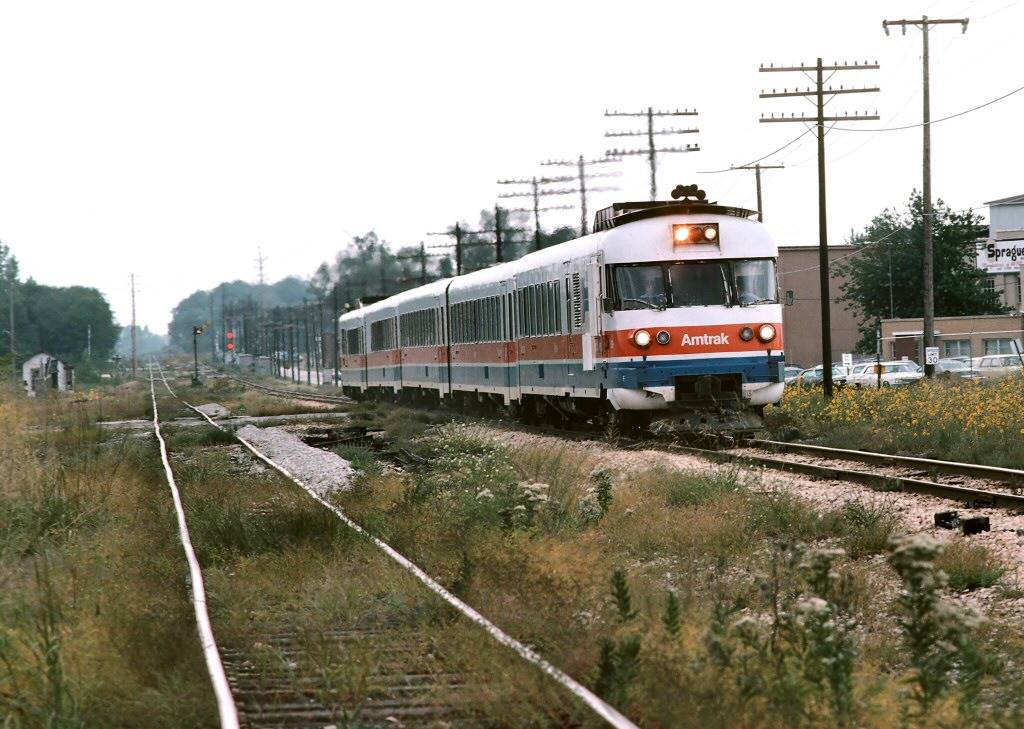 Amtrak's so-called 'high-speed' "Turboliner" trainset tiptoes east towards Detroit on decaying ex-Michigan Central trackage at Michigan City, Indiana in September of 1977. The early Amtrak era was far from efficient and little has changed today. Gary Morris photo.
Aging Infrastructure
The existing railway infrastructure in the U.S. is largely aging, leading to numerous operational challenges.
Maintenance Backlog
- **Deferred Maintenance:** Over the years, financial constraints and allocation of resources have led to a backlog in maintenance. Many railway tracks, bridges, and tunnels are in dire need of upgrades to meet current safety and efficiency standards.
- **Impact on Operations:** Aging infrastructure results in delays, lower speed limits, and increased maintenance costs, all of which affect the reliability and profitability of railroad operations.
Capacity Constraints
- **Bottlenecks and Congestion:** Certain key routes face congestion due to the increased volume of freight and insufficient infrastructure. This impacts the ability to run efficient schedules and can affect delivery times.
- **Expansion Needs:** There is a growing need for infrastructure expansion to keep up with future demand. However, resistance can come from communities, regulatory challenges, and budgetary limitations.
This issue has largely been created as the result of abandoning tens of thousands of miles of track, predominantely since the 1970s. Key routes like Erie Lackawanna's Chicago corridor, Milwaukee Road's transcontinental "Pacific Extension," and Rock Island's "Choctaw Route" should still be handling freight trains today.
In addition, more capacity would have allowed for additional passenger services - likely utilizing their own dedicated rights-of-way free of freight trains - that many states and local agencies have been requesting since 2000.
Technological Upgrades
- **Modernization Needs:** New technologies such as automated systems, better signaling, and upgraded locomotives require significant infrastructure changes, which are critical to meet competitive pressures.
- **Compatibility Issues:** Integrating new technologies with existing rail systems can be challenging, requiring comprehensive planning and investment.
Investment Needs
Significant investment is necessary to modernize, maintain, and expand rail infrastructure and equipment.
Capital Requirements
- **Sources of Funding:** Rail infrastructure demands regular, large-scale investments. However, securing funding can be challenging due to the industry's private nature and the need for large-scale cooperation between public and private sectors.
- **Government Role:** Public-private partnerships are essential for financing improvements. While government support is available, competition for funds is fierce across different sectors of transportation and infrastructure renewal.
Regulatory Environment
- **Complex Compliance Requirements:** Navigating regulation requires resources, which some operators may struggle to allocate. These include safety standards, environmental mandates, and operational regulations, which together create a complex and costly compliance landscape.
- **Policy Instability:** Shifts in government policy and regulatory frameworks can lead to uncertainty, making long-term investment planning difficult.
Research and Development
- **Need for Innovation:** Advancing technology in rail transport requires ongoing R&D investment. Innovations in areas like autonomous train operations, better safety systems, and energy efficiency are crucial.
- **Competitive Edge:** The ability to maintain and grow market share hinges on adopting innovative solutions that enhance efficiency and reduce operational costs. Investments in R&D can provide a crucial competitive edge in a saturated and technologically advancing transport sector.
Workforce Challenges
The railroad industry also faces workforce-related challenges, which could impact its operational effectiveness.
Skilled Labor Shortages
- **Demographic Shifts:** The industry is confronted by an aging workforce with retirements outpacing the entry of new workers. The specialized nature of many railway jobs makes it difficult to find replacements.
- **Training Needs:** There is a need for comprehensive training programs to bridge skill gaps, especially as newer technologies are integrated into operations.
Labor Relations
- **Negotiations with Unions:** Labor relations can be intense, with negotiations impacting potential strikes and impacting service reliability.
- **Wage and Healthcare Costs:** Rising wage demands and healthcare costs present additional financial burdens.
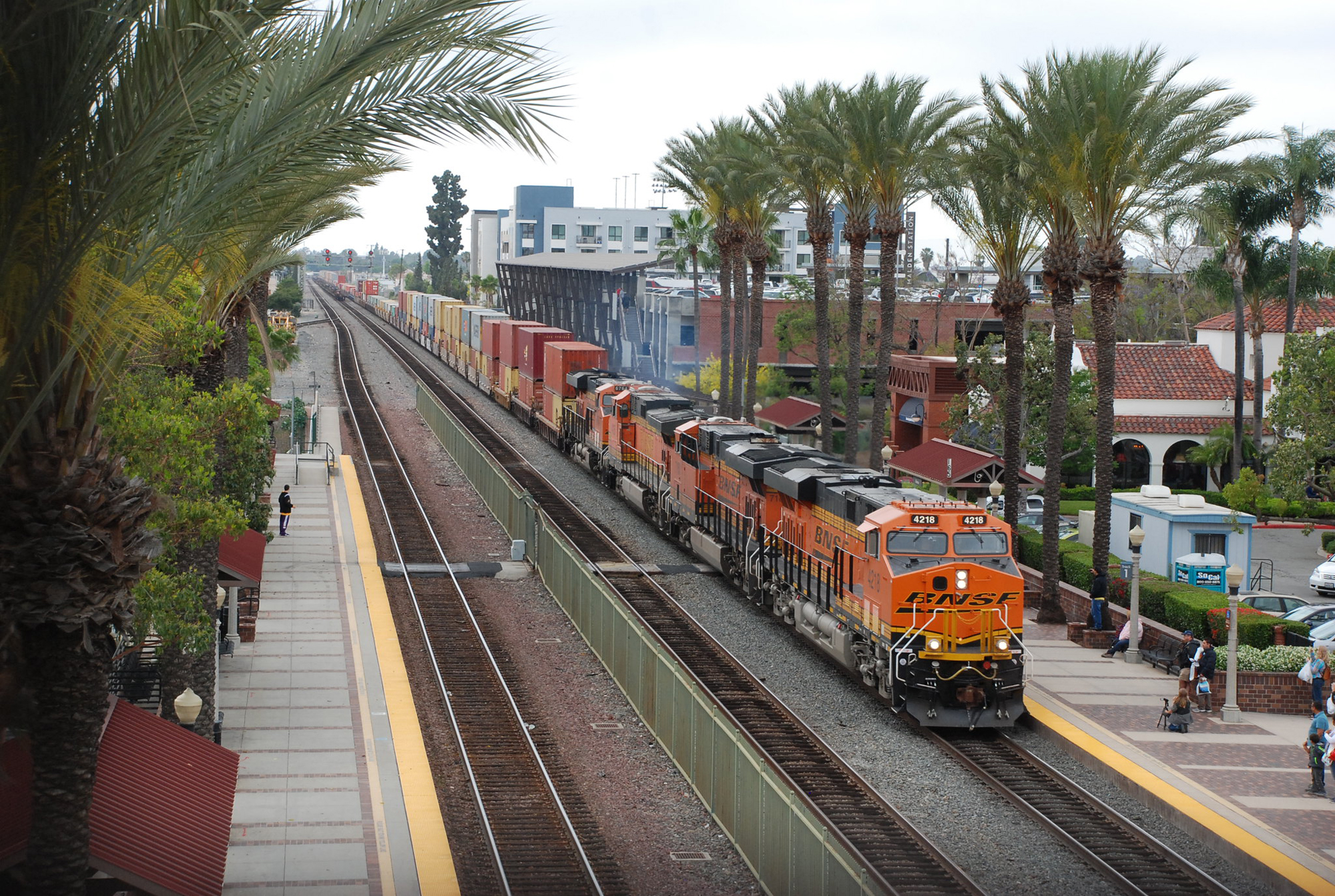 BNSF ES44C4 #4218 leads an eastbound intermodal through busy Fullerton, California on May 6, 2017. Doug Kroll photo.
Conclusion
The U.S. railroad industry stands at a crossroads with significant challenges that require strategic planning and robust investment. Competing effectively with other modes of transport demands adopting technological advancements and modernizing infrastructure.
Addressing infrastructure aging requires substantial investment commitments, potentially through public-private partnerships, as well as a focused policy framework from federal and state governments for regulatory and financial support.
An increased emphasis on skill development and workforce management is also pivotal to ensure a robust future for the industry.
With a concerted effort to address these critical challenges, the U.S. railroad industry can continue to play a vital role in freight transportation and contribute positively to the country's logistics ecosystem.
Recent Articles


-
Scenic Train Rides (USA 2026): State Guide to Tourist Railroads
Oct 04, 26 12:17 AM
 Scenic and tourist train rides in all 50 states for 2026. Colorado narrow gauge, Pennsylvania steam, Alaska’s White Pass, and the states with no full-size ride this month. Confirm on the railroad.
 -
Wyoming Scenic Train Rides (2026): A Complete Guide
Oct 03, 26 12:07 AM
 Wyoming has no full-size tourist railroad on the calendar in October 2026. Cheyenne Depot Museum and Douglas Railroad Museum are static. Union Pacific 4014’s posted public trip is a November run to De…
 -
Washington Scenic Train Rides (2026): A Complete Guide
Oct 02, 26 11:53 PM
 Washington tourist trains in 2026—Mount Rainier Scenic at Elbe, the Northwest Railway Museum, and Chehalis-Centralia. Lake Whatcom has no 2026 date on its ticket page.
 -
Wisconsin Scenic Train Rides (2026): A Complete Guide
Oct 02, 26 11:48 PM
 Wisconsin tourist trains in 2026—Wisconsin Great Northern, Osceola & St. Croix Valley, Mid-Continent, East Troy, and the National Railroad Museum.
 -
Pennsylvania Railroad Class Q2 4-4-6-4: Specs, Roster, History
Oct 02, 26 11:28 PM
 Pennsylvania Railroad Class Q2 4-4-6-4 duplexes. Twenty-six engines, 6131 and 6175–6199, Altoona 1944–45. Form 109-J specs, the 7,987 hp test of 6175, and a roster. All scrapped.
 -
Utah Scenic Train Rides (2026): A Complete Guide
Oct 02, 26 11:18 PM
 Utah tourist trains in 2026—Heber Valley Railroad from Heber City. Golden Spike at Promontory is a locomotive demonstration, not a line-haul ride.
 -
South Dakota Scenic Train Rides (2026): A Complete Guide
Oct 02, 26 11:06 PM
 South Dakota’s 2026 scenic train is the Black Hills Central 1880 Train, Hill City to Keystone. Steam is the summer assignment. Confirm the engine.
 -
Oregon Scenic Train Rides (2026): A Complete Guide
Oct 02, 26 11:04 PM
 Oregon tourist trains in 2026—Oregon Coast Scenic from Rockaway Beach, Mount Hood at Hood River, Eagle Cap from Elgin, and the Oregon Rail Heritage Center in Portland.
 -
Oklahoma Scenic Train Rides (2026): A Complete Guide
Oct 02, 26 10:36 PM
 Oklahoma has no full-size scenic railroad on an October 2026 calendar. Oklahoma Railway Museum Halloween and Polar trains, the El Reno trolley, and the Heartland Flyer.
 -
North Dakota Scenic Train Rides (2026): A Complete Guide
Oct 02, 26 01:14 PM
North Dakota has no tourist railroad on a 2026 calendar. Ride Amtrak’s daily Empire Builder. The Fort Lincoln Trolley in Mandan is not a current ticket. -
Nebraska Scenic Train Rides (2026): A Complete Guide
Oct 02, 26 10:11 AM
 Nebraska has no full-size scenic railroad in 2026. The Omaha Zoo Railroad runs weekends through October 4. Ride Amtrak’s California Zephyr across the state.
 -
Missouri Scenic Train Rides (2026): A Complete Guide
Oct 02, 26 09:56 AM
 Missouri tourist trains in 2026—Branson Scenic Railway and the St. Louis, Iron Mountain & Southern at Jackson. Belton has no 2026 schedule posted.
 -
Minnesota Scenic Train Rides (2026): A Complete Guide
Oct 02, 26 09:52 AM
 Minnesota tourist trains in 2026—North Shore Scenic Railroad in Duluth, the Duluth River Train, and the Como-Harriet streetcar.
 -
Kansas Scenic Train Rides (2026): A Complete Guide
Oct 02, 26 09:32 AM
 Kansas tourist trains in 2026—the Abilene & Smoky Valley Railroad. Santa Fe 3415 is in overhaul. Midland Railway at Baldwin City is closed.
 -
Iowa Scenic Train Rides (2026): A Complete Guide
Oct 02, 26 08:41 AM
 Iowa tourist trains in 2026—Boone & Scenic Valley across the Bass Point Creek High Bridge, and Midwest Central’s December North Pole trains
 -
Indiana Scenic Train Rides (2026): A Complete Guide
Oct 02, 26 08:35 AM
 Indiana tourist trains in 2026—French Lick Scenic Railway, Nickel Plate Express, Hoosier Valley, and Hesston. Whitewater Valley is suspended.
 -
Illinois Scenic Train Rides (2026): A Complete Guide
Oct 02, 26 12:28 AM
 Illinois tourist trains in 2026—Illinois Railway Museum, Monticello Railway Museum, Fox River Trolley, and Silver Creek & Stephenson.
 -
Texas Scenic Train Rides (2026): A Complete Guide
Oct 02, 26 12:14 AM
 Texas tourist trains in 2026—Texas State Railroad, Grapevine Vintage Railroad, Austin Steam Train's Hill Country Flyer, and the Galveston Railroad Museum.
 -
Tennessee Scenic Train Rides (2026): A Complete Guide
Oct 02, 26 12:03 AM
Tennessee tourist trains in 2026—Tennessee Valley Railroad Museum, Dollywood Express, Three Rivers Rambler Christmas trains, and the Tennessee Central Railway Museum. -
South Carolina Scenic Train Rides (2026): A Complete Guide
Oct 01, 26 11:52 PM
 South Carolina's tourist train is the South Carolina Railroad Museum in Winnsboro—Blue Granite Express, pumpkin trains, and Santa trains on the old Rockton & Rion.
 -
Mississippi Scenic Train Rides (2026): A Complete Guide
Oct 01, 26 11:38 PM
 Mississippi has no regular tourist railroad in 2026. Ride Amtrak through the state, or book the excursion lines in Alabama, Tennessee, Louisiana, or Arkansas.
 -
Louisiana Scenic Train Rides (2026): A Complete Guide
Oct 01, 26 02:52 PM
 Louisiana has no regular full-size tourist railroad in 2026. New Orleans Polar Express returns December 11–31. Museums at Long Leaf, DeQuincy, and Jackson.
 -
Kentucky Scenic Train Rides (2026): A Complete Guide
Oct 01, 26 02:45 PM
 Kentucky tourist trains in 2026—Big South Fork Scenic Railway, Bluegrass Scenic Railroad, Kentucky Railway Museum, and My Old Kentucky Dinner Train.
 -
Georgia Scenic Train Rides (2026): A Complete Guide
Oct 01, 26 02:27 PM
 Georgia tourist trains in 2026—Blue Ridge Scenic Railway, SAM Shortline, Azalea Sprinter, Savannah shop rides, and what to confirm at Stone Mountain.
 -
Arkansas Scenic Train Rides (2026): A Complete Guide
Oct 01, 26 01:02 PM
 Arkansas tourist trains in 2026—Arkansas & Missouri through the Boston Mountains, and the Eureka Springs & North Arkansas dinner and excursion trains.
 -
Alabama Scenic Train Rides (2026): A Complete Guide
Oct 01, 26 12:59 PM
Alabama tourist trains in 2026—Heart of Dixie Railroad Museum at Calera, North Alabama Railroad Museum at Chase, and the Wales West Light Railway at Silverhill. -
The Circus Train: How Such Attractions Reached Distant Cities
Oct 01, 26 12:22 PM
 How circuses moved by rail: Coup's 1872 flats, the Ringling train's sections and car counts, the 1918 Hammond wreck, and the last show on May 21, 2017.
 -
West Virginia Halloween Train Rides (2026)
Oct 01, 26 12:19 PM
 2026 West Virginia Halloween train. Cass Scenic Halloween Train, October 30 and 31, steam, 5:00 p.m. from Cass Depot. Adult $75. About two hours to Whittaker. Family ride.
 -
Wisconsin Halloween Train Rides (2026)
Oct 01, 26 12:11 PM
2026 Wisconsin Halloween trains. Mid-Continent Pumpkin Special October 24–25, adult $24, pumpkins extra. Halloween Flyer October 24 at 4:30 p.m., adult $30. Osceola Pumpkin Express boards in Osceola… -
Utah Halloween Train Rides (2026)
Oct 01, 26 12:00 PM
 2026 Utah Halloween trains at Heber Valley Railroad. Pumpkin Train, about 40 minutes, with a cookie and a pumpkin. Halloween Express, about 90 minutes to Grim Hollow, Monday, Thursday, and Friday even…
 -
Texas Halloween Train Rides (2026)
Oct 01, 26 11:28 AM
 2026 Texas Halloween train. Texas State Railroad Spooky Special, adult-only, October 24. Boards Palestine at 5:00 p.m. About five hours to Rusk and back. Dinner on the grounds. Not steam. No fare on t…
 -
Tennessee Halloween Train Rides (2026)
Oct 01, 26 12:15 AM
 2026 Tennessee Halloween trains. Tennessee Valley Railroad Museum Rails, Wizards & Spells, selected days September 18 through October 25, from $35, about 2.5 hours. Spells & Potions tea from $60. The…
 -
Frisco's "Firefly" (Train): Consist, Route, Timetable
Sep 30, 26 11:37 PM
 Frisco Firefly—daylight streamliner, Kansas City to Tulsa and Oklahoma City. Trains 117 and 118. Pacifics 1018, 1026, and 1031. Last run May 22, 1960.
 -
South Carolina Halloween Train Rides (2026)
Sep 30, 26 11:29 PM
 2026 South Carolina Halloween train. South Carolina Railroad Museum Pumpkin Patch Express, the two Saturdays before Halloween. About three miles to the Greenbriar pavilion. Pumpkin for children 12 and…
 -
Oregon Halloween Train Rides (2026)
Sep 30, 26 08:10 PM
2026 Oregon Halloween train. Sumpter Valley Railroad Halloween Express at the Sumpter Depot, calendar window October 31 at 11:00 a.m. through November 1 at 12:30 p.m. Fare and the individual clocks ar… -
Oklahoma Halloween Train Rides (2026)
Sep 30, 26 03:45 PM
2026 Oklahoma Halloween train. Oklahoma Railway Museum, October 30 and 31, from Oakwood Station in Oklahoma City. Adults $15, children 3–12 $8. A candy bag with the ride. -
McCloud River Railroad: Serving The Timber Industry (1897-2009)
Sep 30, 26 03:37 PM
 McCloud River Railroad—Mount Shasta City to McCloud, Hambone, and Burney. Opened August 1, 1897. Alco No. 25 and EMD SD38s. Dinner train through January 2010. Railbikes in 2026; a dinner train is stil…
 -
Nevada Halloween Train Rides (2026)
Sep 30, 26 03:30 PM
2026 Nevada Halloween trains in Ely. Nevada Northern Pumpkin Patch Caper and Haunted Ghost Train. Adult tickets start at $45. Dates are on the railroad’s ticket calendar. Boulder City stays off until… -
Missouri Halloween Train Rides (2026)
Sep 30, 26 11:12 AM
 2026 Missouri Halloween trains. St. Louis Iron Mountain & Southern Pumpkin Patch Train on October 3, 4, 10, and 11, and Halloween Express on October 31 at 1:00 p.m. Jackson depot. No fare on the sched…
 -
Minnesota Halloween Train Rides (2026)
Sep 30, 26 11:06 AM
 2026 Minnesota Halloween trains. North Shore Scenic Great Pumpkin Train in Duluth, October 15–18. Everyone gets a pumpkin. Terror Train is October 30, an adult costume party, about three hours. Fares…
 -
Maryland Halloween Train Rides (2026)
Sep 30, 26 10:42 AM
 2026 Maryland Halloween trains. Western Maryland Scenic Pumpkin Patch Limited, October 17, 18, 24, and 25, $14. Colesville Trolleyween October 24, 25, and 31.
 -
West Side Lumber Company Railroad: Roster, History, Lines
Sep 30, 26 09:45 AM
 West Side Lumber at Tuolumne, California. Three-foot Shay and Heisler logging railroad. Lima shop numbers, builder specs, and where the engines are in 2026.
 -
Kansas Halloween Train Rides (2026)
Sep 30, 26 09:41 AM
 2026 Kansas Halloween train. Abilene & Smoky Valley Pumpkin Harvest Express, October 17 through 31. About one hour. Shop prices $35.56 to $41.02. Everyone picks a pumpkin.
 -
Iowa Halloween Train Rides (2026)
Sep 29, 26 11:58 PM
2026 Iowa Halloween train. Boone & Scenic Valley Pumpkin Express, October 10, 10:00 a.m. from 225 10th Street. About 1 hour 15 minutes. Children pick a pumpkin. -
Arizona Halloween Train Rides (2026)
Sep 29, 26 11:43 PM
 2026 Arizona Halloween train. Grand Canyon Railway Pumpkin Patch Train from Williams, $39 with a pumpkin included. Select October dates on the ticket calendar. Haunted train cars are optional.
 -
Nevada Northern Halloween Trains (2026)
Sep 29, 26 06:18 PM
Nevada Northern 2026 Halloween trains in Ely. Pumpkin Patch Caper to Keystone Gulch and the Haunted Ghost Train. Adult tickets start at $45. Dates are on the railroad’s calendar. Confirm on nnry.com. -
Grand Canyon Railway Pumpkin Patch Train (2026)
Sep 29, 26 02:42 PM
Grand Canyon Railway Pumpkin Patch Train—select October 2026 dates from Williams, $39 with a pumpkin included. Haunted train cars are optional. Days are on the ticket calendar. Confirm on thetrain.com… -
Cass Scenic Railroad Halloween Trains (2026)
Sep 29, 26 02:37 PM
 Cass Scenic Halloween Trains—October 30 and 31, 2026, steam, 5:00 p.m. from Cass Depot. About two hours to Whittaker. Adult $75. Candy for every child. Confirm on mountainrailwv.com.
 -
Halloween Train Rides (2026): Pumpkin Patch, Haunted & Spooky Trips
Sep 29, 26 11:26 AM
 2026 Halloween train rides in nine checked states. Conway Scenic Halloween Express October 24–25. Strasburg’s three fall tickets. Great Smoky Mountains Railroad’s October trains are the gorge and rive…
 -
Maine Halloween Train Rides (2026)
Sep 29, 26 11:08 AM
 2026 Maine Halloween trains. Seashore Pumpkin Patch Trolley through October 18, adult $17. Happy Trolleyween October 23–25 at $15. WW&F Pumpkin Pickin’ October 3, 12, 17, and 24. Downeast’s booking it…