Wisconsin Scenic Train Rides In North Freedom!
Published: January 12, 2026
By: Adam Burns
Mid-Continent Railway Museum (MCRM) in North Freedom, Wisconsin is one of those rare places where railroad preservation isn’t confined to display tracks and quiet exhibit halls—you can walk a working yard, tour historic buildings, and ride vintage equipment on an operating railroad. It’s a living-history museum built around the sights, sounds, and everyday rhythms of small-town and shortline railroading in the early 20th century, what the museum calls the “Golden Age of Railroading.”
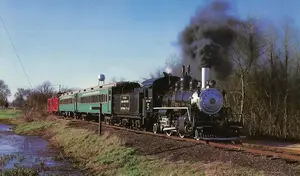
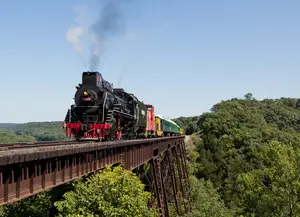
 This early view of the Mid-Continent Railway Museum from the 1960s features Chicago & North Western 4-6-0 #1385 leading an excursion over the Baraboo River seven miles west of Baraboo, WI.
A museum born from a disappearing branch line
Mid-Continent’s story begins with a problem that preservationists still recognize: once a railroad line is abandoned, it’s incredibly hard to recreate the “real” setting that makes historic equipment come alive. In the early 1960s, when the North Freedom branch (a former Chicago & North Western line) became available, a small group moved quickly to secure it as a home for an emerging preservation collection. By 1963, equipment had been relocated to North Freedom and the museum was already offering steam-powered rides, establishing an operating tradition that has defined Mid-Continent ever since.
That decision—to preserve not just locomotives and cars, but the railroad environment itself—is what makes MCRM distinctive. The museum grounds function like a compact railroad community: a historic depot, tracks fanning into a working yard, shop facilities, and a mix of passenger and freight equipment in various stages of restoration. The result is immersive in a way static museums often struggle to match: you aren’t just looking at artifacts; you’re watching them used.
Over the decades, Mid-Continent also endured the same challenges faced by many outdoor museums: weather, flood risks, and the constant effort required to maintain infrastructure as well as rolling stock. In particular, flooding in 2008 caused major disruption, and while the museum eventually reopened, network access constraints lingered until major bridge work was completed years later.
Present Day
Today, Mid-Continent describes itself as an outdoor living history museum and operating railroad, dedicated to recreating and interpreting the small-town/shortline way of life from railroading’s classic era. That mission comes through in the visitor experience:
- You can spend time among restored passenger cars and railroad artifacts on the grounds.
- You can watch or learn about ongoing restoration work (the site regularly highlights shop and equipment efforts).
- And, most importantly for many visitors, you can ride behind vintage motive power on a preserved piece of Midwestern branch-line railroading.
The museum’s standard excursion runs on a scenic former C&NW route set in rural Sauk County near the Baraboo Hills, offering a relaxed countryside ride that’s as appealing to families as it is to photographers.
Excursions
If you only do one thing at Mid-Continent, make it the regular train ride.
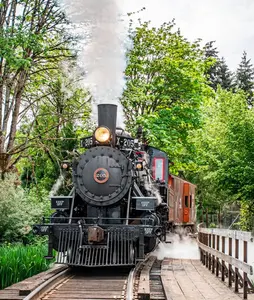
The museum’s main offering is a seven-mile, roughly 55-minute round trip departing from a historic wooden depot built in 1894. Passengers typically ride in restored steel coaches about a century old, and the crew leans into the interpretive side—conductors in period-appropriate attire, ticket-punching, and onboard narration that adds context without turning the trip into a lecture.
What makes the experience especially satisfying is its “branch line” pacing. This isn’t a high-speed dash; it’s the kind of trip where you can settle into the rhythm of jointed rail, watch the tree line open into farm country, and imagine how countless small Midwestern communities once connected to the outside world.Upgrade option: caboose tickets
For visitors who want something more memorable (or more private), Mid-Continent offers caboose tickets on select trains, and the museum notes that reservations are especially wise on popular dates and special events.
Steam Headline: The Return Of C&NW #1385
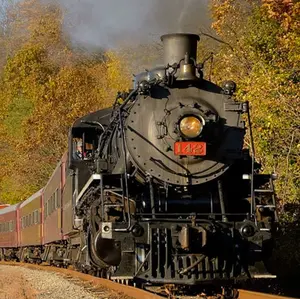
For many railfans, the name most associated with Mid-Continent is Chicago & North Western 4-6-0 No. 1385. The museum notes it’s one of only a small number of preserved C&NW steam locomotives, and that it has been listed on both the Wisconsin Register of Historic Places and the National Register of Historic Places.
In recent updates, Mid-Continent has emphasized that No. 1385 is nearing a major milestone: the locomotive has been moving through the final steps of a long restoration effort, with the museum publicizing its return and celebration plans. A Trains Magazine report in late 2025 also described successful test firing and noted plans connected to returning the locomotive to service on a prominent summer target date.
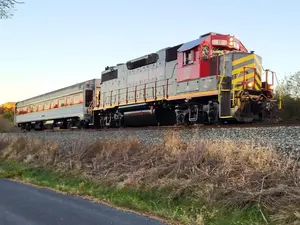
Even if you visit on a day when a diesel is on the point, No. 1385’s restoration story is part of the museum’s modern identity—proof that Mid-Continent is not only preserving history, but actively fighting to keep it operational.
Popular Excursions
Mid-Continent does a smart job of building a calendar that appeals to three groups at once: families looking for seasonal traditions, casual visitors who want an easy day trip, and repeat riders who like returning for something different. Here are the crowd-pleasers worth calling out.
Autumn Color Weekend
A classic for Wisconsin: the museum’s Autumn Color Weekend™ emphasizes “leaf-peeping” from vintage cars along the preserved C&NW right-of-way. If your audience loves fall photography, this is the one to spotlight—golden hillsides, classic equipment, and comfortable coaches make for an easy sell.Pumpkin Special and other fall family rides
Mid-Continent’s Train Ride Information hub lists several seasonal favorites, including the Pumpkin Special™, which is a staple format in the heritage-railroad world for good reason: it gives families a themed experience without requiring an all-day commitment.
Santa Express / Holiday Flyer
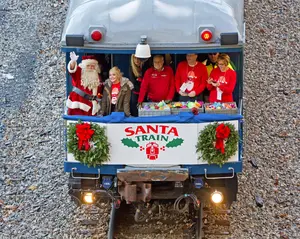
For many families, the holiday train is the “annual tradition” ride. Mid-Continent’s events list includes Santa Express™/Holiday Flyer, and the museum encourages advance planning for peak special-event dates.
Pizza Limited and other “treat” trains
If you want to highlight lighter, just-for-fun excursions, Mid-Continent’s lineup includes the Pizza Limited and the Root Beer Float Flyer—great options for visitors who may not consider themselves railfans but love a themed outing.
Onboard dining trains
Mid-Continent notes that reservations are required for onboard dining trains, which signals these are structured, capacity-limited experiences—ideal for couples, small groups, and gift outings. (When you publish, you can keep the description evergreen and direct readers to the museum’s ticketing page for the current schedule.)
Vintage Rail Car Tours
This is a terrific add-on for anyone who likes craft, design, and preservation details. The museum offers guided Vintage Rail Car Tours, letting visitors step inside select restored cars and also see parts of the restoration operation. It’s the kind of experience that turns a “nice train ride” into a deeper appreciation of what it takes to keep historic equipment alive.
Final Thoughts
The museum is successful because it delivers multiple “layers” of experience in one place. For families, it’s an easy, scenic ride with seasonal events that feel like tradition. For history-minded travelers, it’s a window into how smaller railroads stitched rural America together. And for railfans, it’s a working museum where restoration is not theoretical—locomotives like C&NW No. 1385 are actively being brought back toward operation, reinforcing the museum’s role as a living institution rather than a static display. To learn about the museum and its excursions please click here to visit their website.
Recent Articles


-
UP And NS Ask FRA To Waive Cab-Signals For Big Boy 4014
Feb 26, 26 01:44 PM
 Union Pacific’s famed 4-8-8-4 “Big Boy” No. 4014 could see new eastern mileage on Norfolk Southern in 2026—but first, the two railroads are asking federal regulators for help bridging a technology gap…
 -
Cando Rail & Terminals to Acquire Savage Rail
Feb 26, 26 11:29 AM
 Cando Rail & Terminals has signed a definitive agreement to acquire Savage Rail, the U.S. rail-services business of Savage Enterprises LLC.
 -
Dollywood To Convert Steam Locomotives From Coal To Oil
Feb 26, 26 09:20 AM
 Dollywood’s most recognizable moving landmark—the Dollywood Express—will soon look and feel a little different.
 -
Missouri Murder Mystery Dinner Train Rides
Feb 26, 26 09:10 AM
 Missouri, with its rich history and scenic landscapes, is home to one location hosting these unique excursion experiences.
 -
Washington Murder Mystery Dinner Train Rides
Feb 26, 26 09:08 AM
 This article delves into what makes murder mystery dinner train rides in Washington State such a captivating experience.
 -
Utah Wine Tasting Train Rides
Feb 26, 26 09:04 AM
 Utah, a state widely celebrated for its breathtaking natural beauty and dramatic landscapes, is also gaining recognition for an unexpected yet delightful experience: wine tasting trains.
 -
Vermont Wine Tasting Train Rides
Feb 26, 26 09:02 AM
 Known for its stunning green mountains, charming small towns, and burgeoning wine industry, Vermont offers a unique experience that seamlessly blends all these elements: wine tasting train rides.
 -
Amtrak San Joaquins Becomes Gold Runner
Feb 26, 26 08:59 AM
 California’s busy state-supported rail link between the Bay Area and the Central Valley entered a new chapter in early November 2025, when the familiar Amtrak San Joaquins name was officially retired.
 -
Canadian National Marks 30 Years Since Privatization
Feb 25, 26 02:07 PM
 Canadian National Railway marked a milestone last fall that helped redefine not only the company, but the modern Canadian freight-rail landscape: 30 years since CN went private.
 -
Western Rail Coalition: Returning Passenger Trains To Colorado
Feb 25, 26 11:48 AM
 Colorado’s passenger-rail conversation is often framed as two separate stories: a Front Range “spine” along I-25, and a harder, longer-term quest to offer real alternatives to the I-70 mountain drive.
 -
Union Pacific Unveils Full Schedule For Big Boy 4014
Feb 25, 26 09:24 AM
 Union Pacific Railroad has released the complete western leg schedule for its groundbreaking 2026 Big Boy No. 4014 Coast-to-Coast Tour.
 -
Kentucky Murder Mystery Dinner Train Rides
Feb 25, 26 08:55 AM
 In the realm of unique travel experiences, Kentucky offers an enchanting twist that entices both locals and tourists alike: murder mystery dinner train rides.
 -
Utah Murder Mystery Dinner Train Rides
Feb 25, 26 08:53 AM
 This article highlights the murder mystery dinner trains currently avaliable in the state of Utah!
 -
Rhode Island Wine Tasting Train Rides
Feb 25, 26 08:50 AM
 It may the smallest state but Rhode Island is home to a unique and upscale train excursion offering wide aboard their trips, the Newport & Narragansett Bay Railroad.
 -
Oregon Wine Tasting Train Rides
Feb 25, 26 08:45 AM
 For those looking to explore this wine paradise in style and comfort, Oregon's wine tasting trains offer a unique and enjoyable way to experience the region's offerings.
 -
Amtrak Posts Record Ridership and Revenue in Fiscal Year 2025
Feb 24, 26 11:22 PM
 Amtrak, the national passenger rail operator, has announced historic results for Fiscal Year 2025 (FY25), reporting the highest ridership and revenue in its history as demand for train travel across t…
 -
NC By Train Posts Busiest Month In 35-year History
Feb 24, 26 06:17 PM
 North Carolina’s state-supported passenger rail service, marketed under the NC By Train brand, reached a milestone last fall.
 -
Northern Pacific 4-6-0 No. 1364 Returns To Life
Feb 24, 26 11:12 AM
The whistle of Northern Pacific steam returned to the Yakima Valley in a big way this month as Northern Pacific 4-6-0 No. 1364 moved under its own power for the first time in 73 years. -
CSX’s 2025 Santa Train: 83 Years of Holiday Cheer
Feb 24, 26 10:38 AM
 On Saturday, November 22, 2025, CSX’s iconic Santa Train completed its 83rd annual run, again turning a working freight railroad into a rolling holiday tradition for communities across central Appalac…
 -
Alabama Murder Mystery Dinner Train Rides
Feb 24, 26 09:25 AM
 There is currently one location in the state offering a murder mystery dinner experience, the Wales West Light Railway!
 -
Rhode Island Murder Mystery Dinner Train Rides
Feb 24, 26 09:21 AM
 Let's dive into the enigmatic world of murder mystery dinner train rides in Rhode Island, where each journey promises excitement, laughter, and a challenge for your inner detective.
 -
Virginia Wine Tasting Train Rides
Feb 24, 26 09:20 AM
Wine tasting trains in Virginia provide just that—a unique experience that marries the romance of rail travel with the sensory delights of wine exploration. -
Tennessee Wine Tasting Train Rides
Feb 24, 26 09:17 AM
 One of the most unique and enjoyable ways to savor the flavors of Tennessee’s vineyards is by train aboard the Tennessee Central Railway Museum.
 -
Southeast Wisconsin Eyes New Lakeshore Passenger Rail Link
Feb 23, 26 11:26 PM
 Leaders in southeastern Wisconsin took a formal first step in December 2025 toward studying a new passenger-rail service that could connect Milwaukee, Racine, Kenosha, and Chicago.
 -
MBTA Sees Over 29 Million Trips in 2025
Feb 23, 26 11:14 PM
 In a milestone year for regional public transit, the Massachusetts Bay Transportation Authority (MBTA) reported that its Commuter Rail network handled more than 29 million individual trips during 2025…
 -
Historic Blizzard Paralyzes the U.S. Northeast, Halts Rail Traffic
Feb 23, 26 05:10 PM
A powerful winter blizzard sweeping the northeastern United States on Monday, February 23, 2026, has brought transportation networks to a near standstill. -
Mt. Rainier Railroad Moves to Buy Tacoma’s Mountain Division
Feb 23, 26 02:27 PM
 A long-idled rail corridor that threads through the foothills of Mount Rainier could soon have a new owner and operator.
 -
BNSF Activates PTC on Former Montana Rail Link Territory
Feb 23, 26 01:15 PM
 BNSF Railway has fully implemented Positive Train Control (PTC) on what it now calls the Montana Rail Link (MRL) Subdivision.
 -
Cincinnati Scenic Railway To Acquire B&O GP30
Feb 23, 26 12:17 PM
 The Cincinnati Scenic Railway, through an agreement with the Raritan Central Railway, to acquire former B&O GP30 #6923, currently lettered as RCRY #5.
 -
Texas Dinner Train Rides On The TSR
Feb 23, 26 11:54 AM
Today, TSR markets itself as a round-trip, four-hour, 25-mile journey between Palestine and Rusk—an easy day trip (or date-night centerpiece) with just the right amount of history baked in. -
Iowa Dinner Train Rides On The B&SV
Feb 23, 26 11:53 AM
 If you’ve ever wished you could pair a leisurely rail journey with a proper sit-down meal—white tablecloths, big windows, and countryside rolling by—the Boone & Scenic Valley Railroad & Museum in Boon…
 -
North Carolina Wine Tasting Train Rides
Feb 23, 26 11:48 AM
 A noteworthy way to explore North Carolina's beauty is by hopping aboard the Great Smoky Mountains Railroad and sipping fine wine!
 -
Nevada Wine Tasting Train Rides
Feb 23, 26 11:43 AM
 While it may not be the first place that comes to mind when you think of wine, you can sip this delight by train in Nevada at the Nevada Northern Railway.
 -
Reading & Northern Surpasses 1M Tons Of Coal For 3rd Year
Feb 22, 26 11:57 PM
 Reading & Northern Railroad (R&N), the largest privately owned railroad in Pennsylvania, has shipped more than one million tons of Anthracite coal for the third straight year. This was an impressive f…
 -
Minnesota's Northstar Commuter Rail Ends Service
Feb 22, 26 11:43 PM
 Metro Transit has confirmed that Northstar service between downtown Minneapolis (Target Field Station) and Big Lake has ceased, with expanded bus service along the corridor beginning Jan. 5, 2026.
 -
Tri-Rail Sets New Ridership Record in 2025
Feb 22, 26 11:24 PM
 South Florida’s commuter rail service Tri-Rail has achieved a new annual ridership milestone, carrying more than 4.5 million passengers in calendar year 2025.
 -
CSX Completes Major Upgrades at Willard Yard
Feb 22, 26 11:14 PM
 In a significant boost to freight rail operations in the Midwest, CSX Transportation announced in January that it has finished a comprehensive series of infrastructure improvements at its Willard Yard…
 -
New Hampshire Wine Tasting Train Rides
Feb 22, 26 09:39 AM
 This article details New Hampshire's most enchanting wine tasting trains, where every sip is paired with breathtaking views and a touch of adventure.
 -
New Jersey Wine Tasting Train Rides
Feb 22, 26 09:37 AM
 If you're seeking a unique outing or a memorable way to celebrate a special occasion, wine tasting train rides in New Jersey offer an experience unlike any other.
 -
Nevada Murder Mystery Dinner Train Rides
Feb 22, 26 09:36 AM
Seamlessly blending the romance of train travel with the allure of a theatrical whodunit, these excursions promise suspense, delight, and an unforgettable journey through Nevada’s heart. -
West Virginia Murder Mystery Dinner Train Rides
Feb 22, 26 09:34 AM
 For those looking to combine the allure of a train ride with an engaging whodunit, the murder mystery dinner trains offer a uniquely thrilling experience.
 -
New York Central 4-8-2 #3001 To Be Restored
Feb 22, 26 12:29 AM
New York Central 4-8-2 No. 3001—an L-3a “Mohawk”—is the centerpiece of a major operational restoration effort being led by the Fort Wayne Railroad Historical Society (FWRHS) and its American Locomotiv… -
Norfolk Southern To Buy 40 New Wabtec ES44ACs
Feb 21, 26 11:52 PM
 Norfolk Southern has announced it will acquire 40 brand-new Wabtec ES44AC locomotives, marking the Class I railroad’s first purchase of new locomotives since 2022.
 -
CPKC To Buy 65 New Progress Rail SD70ACe-T4s
Feb 21, 26 11:28 PM
 Canadian Pacific Kansas City (CPKC) is moving to refresh and expand its road fleet with a new-build order from Progress Rail, announcing an agreement for 65 EMD SD70ACe-T4 Tier 4 diesel-electric freig…
 -
Ohio Rail Commission Approves Two Projects
Feb 21, 26 11:09 PM
 At its January 22 bi-monthly meeting, the Ohio Rail Development Commission approved grant funding for two rail infrastructure projects that together will yield nearly $400,000 in investment to improve…
 -
CSX Completes Avon Yard Hump Lead Extension
Feb 21, 26 03:38 PM
CSX says it has finished a key infrastructure upgrade at its Avon Yard in Indianapolis, completing the “cutover” of a newly extended hump lead that the railroad expects will improve yard fluidity. -
Pinsly Restores Freight Service On Alabama Short Line
Feb 21, 26 12:55 PM
 After more than a year without trains, freight rail service has returned to a key industrial corridor in southern Alabama.
 -
Phoenix City Council Pulls the Plug on Capitol Light Rail Extension
Feb 21, 26 12:19 PM
In a pivotal decision that marks a dramatic shift in local transportation planning, the Phoenix City Council voted to end the long-planned Capitol light rail extension project. -
Norfolk Southern Unveils Advanced Wheel Integrity System
Feb 21, 26 11:06 AM
 In a bid to further strengthen rail safety and defect detection, Norfolk Southern Railway has introduced a cutting-edge Wheel Integrity System, marking what the Class I carrier calls a significant bre…
 -
CPKC Sets New January Grain-Haul Record
Feb 21, 26 10:31 AM
 Canadian Pacific Kansas City (CPKC) says it has opened 2026 with a new benchmark in Canadian grain transportation, announcing that the railway moved a record volume of grain and grain products in Janu…