- Home ›
- Tycoons ›
- Asa Packer
Asa Packer: Net Worth, Lehigh Valley Railroad, Biography
Published: November 23, 2026
By: Adam Burns
Asa Packer was born on December 29, 1805, a Sunday, in Mystic, Connecticut. Milton C. Stuart’s 1938 address names his father Elisha Packer, Jr., and says the boy attended a winter district school, worked in a tannery, and worked on a farm. In 1822 he walked to Susquehanna County. Stuart says he apprenticed himself to an uncle, Edward Packer, a carpenter. W. Ross Yates, in a 1983 Lehigh booklet, says the kinsman was a cousin, at Hopbottom, later called Brooklyn, and that Packer then lived at Springville. He married Sarah Minerva Blakslee on January 23, 1828, a Wednesday. Stuart gives that day and calls her father Zopher Blakslee. Yates says he was twenty-three when he married.
In 1833 he settled at Mauch Chunk, the town now called Jim Thorpe. The canal was the fortune he later put into a railroad. The 1911 Britannica says he owned a boat that carried coal to Philadelphia, then formed A. & R. W. Packer with his brother. The firm built boats and locks for the Lehigh Coal & Navigation Company, and the Britannica calls them probably the first through shippers to New York. Yates names the brother Robert, dates Robert’s death to 1848, and says the brothers took the Room Run mines in 1839. In October 1851 Packer took majority control of a charter that had gone almost nowhere. The Lehigh Valley Railroad opened its river line in 1855.
The offices ran beside the road. He sat in the Pennsylvania House, was associate judge in Carbon County, and served two terms in Congress, 1853 to 1857, as a Democrat. In 1868 Pennsylvania’s delegates offered him for the presidential nomination. In 1869 he was the Democratic candidate for governor and lost to John W. Geary. In 1865 he gave land and $500,000 for Lehigh University. He died in Philadelphia on May 17, 1879, a Saturday, and was buried at Mauch Chunk. Pennsylvania Heritage says that at his death he was Pennsylvania’s richest man. The Britannica says the will left the university $1,500,000, the library $500,000, and nearly a third of the estate when it was divided. Stuart says estimates made at the time ran from $6,000,000 to $20,000,000.
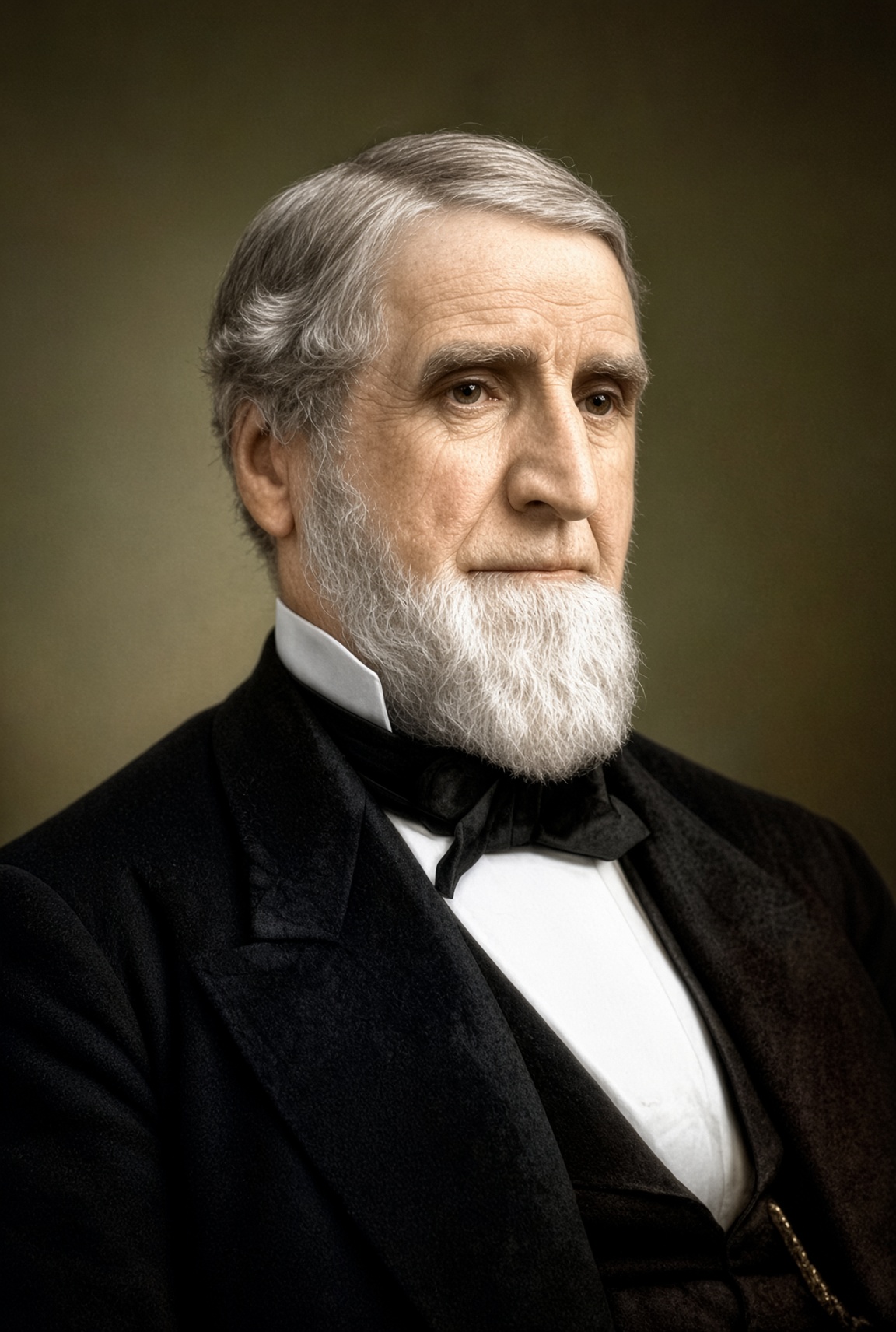
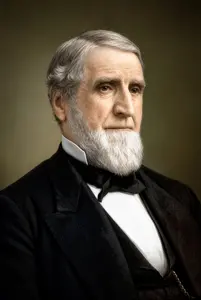
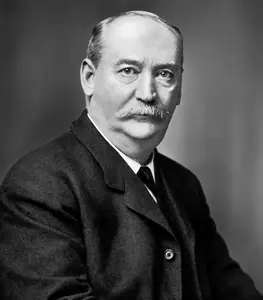
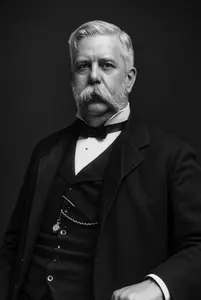
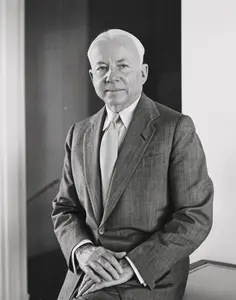
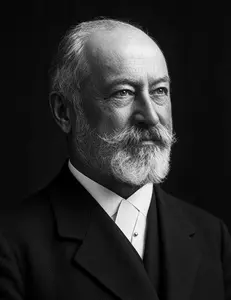
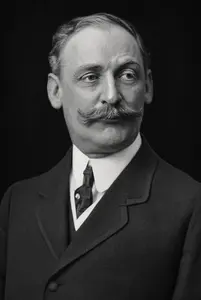
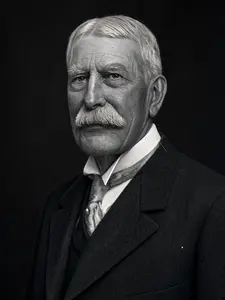
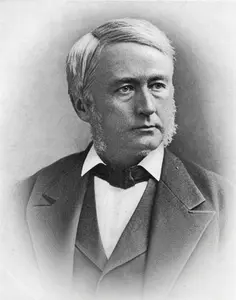
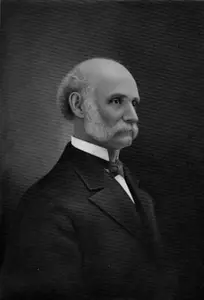
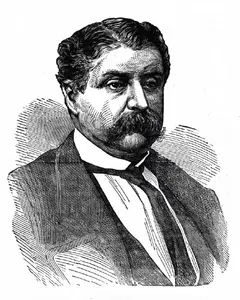
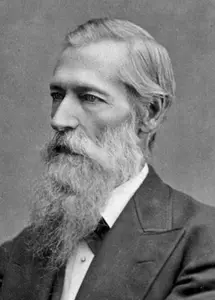
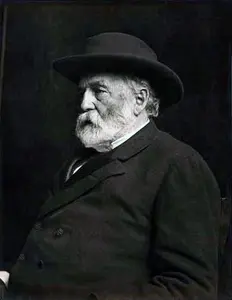
A portrait of Asa Packer.
On this page: At a glance · Susquehanna County · Mauch Chunk · The Lehigh Valley · Judge, Congress, governor · The university
At a glance
| Item | Detail |
|---|---|
| Born | December 29, 1805, a Sunday, Mystic, Connecticut. Son of Elisha Packer, Jr. |
| Died | May 17, 1879, a Saturday, Philadelphia. Buried at Mauch Chunk Cemetery. Pennsylvania Heritage says he was the richest man in the state |
| The canal | Mauch Chunk, 1833. A. & R. W. Packer, with his brother Robert. Room Run mines, 1839. Robert died in 1848 |
| The railroad | Majority control, October 1851. Name accepted January 7, 1853. River line open in 1855. President from 1862, resigned 1864, elected again in 1868, and held the office until he died. The House biography dates the presidency from 1852 |
| The offices | Pennsylvania House. Associate judge, Carbon County. Congress, 1853 to 1857, Democrat. Favorite son, 1868. Candidate for governor, 1869, lost to John W. Geary |
| The university | Gift in 1865, $500,000. The university’s history page says 57 acres. The Britannica says 60, later 115. Will: $1,500,000 and $500,000 for the library |
| Family | Sarah Minerva Blakslee, January 23, 1828. Golden wedding, January 23, 1878. Lucy, Mary (1839), Robert (1842), and Harry (1850) lived to maturity. Stuart counts seven children |
Susquehanna County
Mystic was home, and Stuart says the schooling was a winter district school. The tannery and the farm did not hold him. In 1822 he set out on foot for the upper Susquehanna. Stuart pictures an uncle, Edward Packer, a carpenter at Brooklyn in Susquehanna County, and ten years of felling trees, clearing land, building cabins, carpentry in winter, and farming in summer, with a stretch of carpentry in New York City. Yates says the man in Hopbottom was a cousin, that Springville came next, and that winter work at Tunkhannock included building and repairing canal boats. A pamphlet printed in 1867, the year before the favorite-son vote, put a knapsack on his back and a few coins in his purse. Pennsylvania Heritage traces that picture to the campaign literature.
The wedding day is Stuart’s: January 23, 1828, to Sarah Minerva Blakslee, daughter of Zopher Blakslee. Yates says he met her at Springville and married at twenty-three. They kept a farm. Yates says that when Packer left for Mauch Chunk in 1833, Sarah was nursing a year-old daughter, Lucy, and that she followed him. The children who lived to maturity, in Yates’s account, were Lucy, then Mary in 1839, Robert in 1842, and Harry in 1850, the last three born at Mauch Chunk. Stuart, citing the New York Times of November 10, 1912, calls Mary Packer Cummings the last of seven children. On January 23, 1878, a Wednesday, Asa and Sarah kept a golden wedding.
Mauch Chunk
Mauch Chunk sat on the Lehigh where the canal boats took on anthracite. The Britannica says he began with one boat to Philadelphia, then the partnership. Stuart says a second boat followed the first, that the brothers opened a general store, and that they built boats at Pottsville for the Schuylkill Canal. Until then, Stuart says, Lehigh coal went to Philadelphia and only then by sea to New York. Packer took it through by canal, river, and bay. The partnership broke up. The brother took the business around Pottsville. Yates adds the Room Run mines in 1839, merchandising with his brother-in-law James I. Blakslee, and, after the flood of 1841, canal work with Ezekiel W. Harlan. Robert Packer died in 1848.
He bought land in the town and helped found St. Mark’s Episcopal Church. Stuart says he was a vestryman there for 43 years, and that Sunday was for worship. Yates says the family lived simply, and that Sarah did most of her own housework. He kept his home at Mauch Chunk. Yates says he also bought a house at 722 Spruce Street in Philadelphia, and spent much of his time there on business. Alexander K. McClure, who knew him, wrote that Packer had no taste for society, and that his pleasure was three friends in the evening and euchre until about half past ten.
The Lehigh Valley
He wanted a railroad beside the canal, and the canal company did not. The Britannica says he urged a steam railway as a coal carrier and was told the project was not feasible. Pennsylvania authorized a company on April 21, 1846, a Tuesday. The company account dates the incorporation to September 20, 1847, a Monday, as the Delaware, Lehigh, Schuylkill & Susquehanna Railroad, with James Madison Porter an early president, and says little was built. Stuart says the project languished while the canal still carried the coal. Yates says five years passed with the small work that would have kept the charter alive left undone.
In the spring of 1851 the charter was about to run out. Yates says Packer joined the board of managers in April and, several months later, bought much of the stock already subscribed and did the grading that saved the charter. Stuart says he graded one mile of right of way that was already level, with 17 days left, and risked the fortune the canal had made. The company account dates the majority control to October 1851, and says he brought in money and made Robert H. Sayre chief engineer. The legislature accepted the name Lehigh Valley Railroad on January 7, 1853, a Friday. The 1884 history of Lehigh and Carbon counties says that on January 10, a Monday, James M. Porter was re-elected president, and that Packer prosecuted the work as contractor. Cholera went through the valley in the summer of 1853, that history says, and the prices of labor, materials, and provisions rose.
The company account dates Easton to Allentown to June 11, 1855, a Monday, and Allentown to Mauch Chunk to September 12, 1855, a Wednesday. Yates says regular trains between Easton and Mauch Chunk began in the summer of 1855. Pennsylvania Heritage says the costs climbed, subcontractors failed, and workmen died of cholera, and that McClure credited Packer’s perseverance. McClure wrote that even in the darkest days Packer called the Lehigh Valley the most successful railroad enterprise in the state.
The Pennsylvania House biography calls him builder and president from 1852 to 1879. Stuart calls him president and guiding genius for a quarter of a century after the road opened. The 1884 history gives the elections. At the start of 1856 the largest stockholders moved the offices to Philadelphia. Porter declined another term. William W. Longstreth succeeded him on February 5, a Tuesday, and resigned on May 13, a Tuesday, when J. Gillingham Fell was elected. Fell resigned in 1862, and Packer was elected. In 1864 Packer resigned, and Longstreth returned. In 1868 Packer was elected again. He remained president until his death in May 1879.
The road he wanted did not stop at Mauch Chunk. The Britannica says he built branches to the mines in Luzerne and Schuylkill counties, and that an extension into the Susquehanna valley and on to a connection with the Erie at Waverly was completed in 1868. The company account dates Waverly to 1869. The 1884 history dates the opening to Waverly, by the Pennsylvania and New York Canal and Railroad Company, to September 20, 1869, a Monday. He died before the line to Buffalo was finished.
Judge, Congress, governor
The Pennsylvania House archives list him as a Democrat from Monroe and Northampton Counties for the 1842 and 1843 terms. Yates says the voters sent him in 1841 and again the next year, and that he assisted in establishing Carbon County. The Britannica dates the House service to 1841 and 1842. The archives appoint him associate judge of Carbon County for 1843 and 1844. The Britannica calls him county judge from 1843 to 1848. Stuart says the bench was a five-year term, and that the title Judge stayed with him. The archives also list him as a delegate to the Democratic National Convention of 1844.
Congress came while the railroad was new. He was a Democrat in the House from 1853 to 1857. Stuart names the 13th district of Pennsylvania. Yates, who went back to the government papers, wrote that the two terms fell in the years when Packer should have been busiest with the railroad, and that why he wanted the seat, and what he gained, were still open questions.
In 1868 he let his name go in as a favorite son. Yates says the Pennsylvania delegation stayed with him through the fifteenth ballot and then moved to General Hancock. Stuart says the convention nominated Horatio Seymour. The next year he accepted the Democratic nomination for governor. He did little campaigning. Yates says he lost to General John W. Geary by fewer than 5,000 votes. Pennsylvania Heritage puts the margin at eight-tenths of one percent of the ballots, and records McClure’s allegation that Philadelphia fraud took the election. In 1876 he was a commissioner of the Centennial Exposition in Philadelphia. Stuart says that public service pleased him as much as any.
The university
In the fall of 1864, with the war still on, he asked Bishop William Bacon Stevens for an interview in Philadelphia. Yates says the decision was already made: a school for the intellectual and moral improvement of the young men of the region, large enough to stand with the best, and without a formal tie to a church. Students of any faith could enter, and they were required to attend the church of their choice. The presiding bishop of the Episcopal diocese was to lead the trustees. The money and the trustees came from the railroad circle. Sayre, Elisha P. Wilbur, and the rest of that circle did much of the organizing. Stevens brought Henry Coppee, a West Pointer, as the first president. The university’s history page dates Coppee’s tenure from 1866.
The gift is dated 1865 on the university’s own history page: 57 acres on South Mountain in Bethlehem, and $500,000, which the university calls the largest gift yet made to an educational institution. The purpose, on the university timeline, was “the intellectual and moral improvement of the young men of the Lehigh Valley.” The Britannica says $500,000 and 60 acres, afterwards increased to 115, for a technical school in the professions the valley used, and that Lehigh University was chartered in 1866. The railroad’s account dates the charter to 1865. Pennsylvania Heritage says he blocked a proposal to give the school his name. The Britannica says Packer Hall, the main building, was completed in 1869.
Yates says that in 1871 he abolished tuition, and that he then paid the bills tuition would have covered. He decided on a library when others told him it could wait. The Britannica dates the library building to 1877, a memorial to his daughter Lucy Packer Linderman. The university timeline dates the opening of Linderman Library to 1878 and calls Lucy his oldest child. The year before he died, Yates says, young alumni asked him to make the place strictly technical. He said it seemed to be getting along fine as it was.
The will is dated 1875 in Yates’s account. The railroad was the property that mattered. He left the estate to five trustees: his sons Robert and Harry, Elisha P. Wilbur, Robert H. Sayre, and whoever was president of the Lehigh Valley. Yates says the university was to have the interest on $1,500,000. The Britannica states the same endowment, adds $500,000 to the library, and says the university was also to have nearly a third of the estate when the estate was finally distributed. Stuart says the will, twenty-one printed pages, let Sarah take any part of the real and personal estate she chose, principal or income, and that people at the time estimated the whole from $6,000,000 to $20,000,000. He died in Philadelphia on May 17, 1879. On October 9, 1879, a Thursday, the university held its first Founder’s Day. The Packer Memorial Church on the campus, given by his daughter Mary Packer Cummings, was dedicated on October 13, 1887, a Thursday.
Sources
- Encyclopaedia Britannica, 1911, Packer, Asa. Born in Mystic, Connecticut, December 29, 1805. In 1822 a carpenter’s apprentice at Brooklyn, Susquehanna County. Carpentry in New York City, then Springville. Mauch Chunk in 1833. A canal boat to Philadelphia, then A. & R. W. Packer, boats and locks for the Lehigh Coal & Navigation Company, probably the first through shippers to New York. He urged a steam railway. The coal company did not take it up. In 1851 he gained majority control of the Delaware, Lehigh, Schuylkill & Susquehanna, which the article says was incorporated in 1846 and became the Lehigh Valley in January 1853. A line from Mauch Chunk to Easton, built largely on his credit, between November 1852 and September 1855. Branches into Luzerne and Schuylkill. An extension to the Erie at Waverly, completed in 1868. Pennsylvania House, 1841 and 1842. County judge of Carbon County, 1843 to 1848. Democratic member of Congress, 1853 to 1857. Democratic candidate for governor, 1869. In 1865, $500,000 and 60 acres in South Bethlehem, later 115 acres. Lehigh University chartered in 1866. Packer Hall completed in 1869. A library in 1877 in memory of his daughter Lucy Packer Linderman. The will: $1,500,000 for the university, $500,000 for the library, and nearly one third of the estate at the final distribution. Died in Philadelphia, May 17, 1879. The Packer Memorial Church, given by his daughter Mary Packer Cummings, dedicated October 13, 1887.
- Pennsylvania House of Representatives archives, Asa Packer. Born December 29, 1805, in Mystic, New London County, Connecticut. Died May 17, 1879, in Philadelphia. Buried at Mauch Chunk Cemetery, Mauch Chunk, Carbon County. Carpenter and mechanic. Boats, the canal, coal, and ice. Democrat, Pennsylvania House, the 1842 and 1843 terms, from Monroe and Northampton Counties. Associate judge of Carbon County, 1843 to 1844. Delegate to the Democratic National Convention, 1844. Builder and president of the Lehigh Valley Railroad Company, 1852 to 1879. United States Congress, 1853 to 1857. Unsuccessful campaign for governor, 1869. Founder and trustee of Lehigh University.
- Milton C. Stuart, Asa Packer, 1805–1879, Newcomen Society address, 1938. The vita: born December 29, 1805, at Mystic, son of Elisha Packer, Jr. Walked to Susquehanna County in 1822 and became a carpenter. Married Sarah M. Blakslee, daughter of Zopher Blakslee, January 23, 1828. Mauch Chunk in 1833. Pennsylvania House, 1842 and 1843. Associate judge, 1843 to 1848, a five-year term, and the title Judge. Built the Lehigh Valley, 1852 to 1855. Congress, 1853 to 1857, Democrat, 13th district. Founded and endowed Lehigh in 1865. Pennsylvania’s votes for a Democratic presidential nomination in 1868, at the convention that nominated Horatio Seymour. Democratic nominee for governor in 1869, defeated by a narrow margin. Commissioner of the Centennial Exposition, Philadelphia, 1876. Golden wedding, January 23, 1878. Died at Philadelphia, May 17, 1879. The narrative: an uncle, Edward Packer. A first boat, a second, the firm with his brother, a store, boats at Pottsville, and the first coal taken through to New York. Charter in 1846, organization in 1847, his name on the board in 1851, one mile graded with 17 days left on the charter. First train from Easton to Mauch Chunk, September 12, 1855. President, in Stuart’s phrase, for a quarter of a century. Vestryman at St. Mark’s for 43 years. Bishop William Bacon Stevens, an interview in the fall of 1864. The will lets Sarah take any part she selects. Estimates of the estate, 6 to 20 millions. The New York Times, November 10, 1912, on Mary Packer Cummings as the last of seven children.
- W. Ross Yates, Asa Packer: A Perspective, 1983. A cousin, Edward Packer, at Hopbottom, later Brooklyn. Springville. Married Sarah Minerva Blakslee at twenty-three. Canal-boat work at Tunkhannock in winter. Mauch Chunk in 1833, Sarah following with the year-old Lucy. Children who lived to maturity: Lucy, Mary (1839), Robert (1842), Harry (1850). Brother Robert. Room Run mines, 1839. Robert died in 1848. James I. Blakslee. Ezekiel W. Harlan after the flood of 1841. Legislature in 1841 and the next year. Carbon County. Associate judge from 1843. Charter in 1846. Board of managers in April 1851, stock and grading several months later. Regular service in the summer of 1855. Congress during the building years, and Yates’s statement that the motive is still an open question. Favorite son in 1868, the Pennsylvania delegation through the fifteenth ballot, then General Hancock. Governor in 1869, lost to John W. Geary by fewer than 5,000 votes. House at 722 Spruce Street. St. Luke’s and the Bethlehem Iron Company among the works around the railroad. Fall of 1864, Bishop Stevens. Tuition abolished in 1871, and he paid the bills. Library against advice to wait. Will of 1875. Trustees: Robert Packer, Harry Packer, Elisha P. Wilbur, Robert H. Sayre, and the president of the railroad. The university to have the interest on $1,500,000.
- Pennsylvania Heritage, Fall 1998, “Your Future Depends on Yourself”: Asa Packer as the Self-Made Man. At his death in 1879 he was Pennsylvania’s richest man, in that article’s words. Susquehanna County, probably in 1822, a carpenter’s apprentice, then a farm, then Mauch Chunk, renamed Jim Thorpe in 1953. Canal boatman, boat builder, contractor, merchant. The 1867 pamphlet An Outline of the Career of the Honorable Asa Packer, and the knapsack with a few coins, traced to the campaign literature. Governor in 1869, lost to John White Geary by eight-tenths of one percent. McClure’s allegation of fraud in Philadelphia. Costs, failed subcontractors, and cholera during construction. McClure’s report that Packer called the Lehigh Valley the most successful railroad enterprise in the state. Gifts to schools and churches, St. Luke’s Hospital in Bethlehem, and the university. He blocked a move to name the institution for himself. Yates is named as the critical account of the politics.
- Alfred Mathews and Austin N. Hungerford, History of the Counties of Lehigh and Carbon, 1884, the Lehigh Valley Railroad chapter. Name changed by act of January 7, 1853. On January 10, James M. Porter re-elected president. Packer prosecuted the construction. Cholera in the summer of 1853, and higher prices. In 1856 the offices moved to Philadelphia. Porter declined. William W. Longstreth succeeded him on February 5 and resigned on May 13, when J. Gillingham Fell was elected. Fell resigned in 1862, and Packer was elected. Packer resigned in 1864, and Longstreth returned. Packer was elected again in 1868. The Pennsylvania and New York Canal and Railroad Company opened to Waverly on September 20, 1869. Packer remained president until his death in May 1879.
- Lehigh University, history page and historic timeline. Born in Connecticut in 1805. Carpenter, farmer, canal boatman, then a boat and a fleet. The Lehigh Valley Railroad in the 1850s. Twice in the Pennsylvania General Assembly, associate judge in Carbon County, two terms in Congress. In 1865, 57 acres on South Mountain and $500,000, called the largest gift then made to an educational institution. The timeline’s phrase for the purpose: the intellectual and moral improvement of the young men of the Lehigh Valley. Henry Coppee, first president, from 1866. Died May 17, 1879. First Founder’s Day, October 9, 1879. Linderman Library, 1878, in memory of Lucy Packer Linderman, called his oldest child.
- The Lehigh Valley company page. Authorized April 21, 1846. Incorporated September 20, 1847, as the Delaware, Lehigh, Schuylkill & Susquehanna. October 1851, majority control, Robert H. Sayre chief engineer. Name accepted January 7, 1853. Easton to Allentown, June 11, 1855. Allentown to Mauch Chunk, September 12, 1855. Waverly in 1869. Died May 17, 1879, before the Buffalo line was finished. The university chartered in 1865, endowed with hillside land and $500,000.
Recent Articles


-
Hartford Line Adds Trains for Thanksgiving Week
Nov 23, 26 02:02 PM
 CTDOT is adding Hartford Line trains on November 24, 25, and 29, 2026. Thanksgiving Day is a Saturday schedule in the department release.
-
Asa Packer: Net Worth, Lehigh Valley Railroad, Biography
Nov 23, 26 01:51 PM
 Asa Packer was born December 29, 1805, in Mystic, Connecticut. He built the Lehigh Valley Railroad, served in Congress, and founded Lehigh University. He died May 17, 1879, in Philadelphia.
-
Steamtown Lists Moscow Holiday Express Trips
Nov 23, 26 01:41 PM
 Steamtown lists Holiday Express trips to Moscow on November 27, 28, and 29, 2026. The plan page says 11 a.m. to 2 p.m. Recreation.gov says 11 a.m. to 2:30 p.m.
-
Indiana Rail Experience Lists the Reindeer Run
Nov 23, 26 01:27 PM
 The Reindeer Run is a new one-hour Christmas train on November 27, 28, and 29, 2026, from Edon, Hudson, and South Milford. Coach starts at $17 and $30.
-
Sunset Limited Derails in Louisiana After Hitting a Truck
Nov 23, 26 08:59 AM
The eastbound Sunset Limited struck a truck hauling a bulldozer at a Broussard crossing on Sunday evening, November 22, 2026. Amtrak said 95 customers were aboard and that the passenger cars stayed up… -
David H. Moffat: Net Worth, Railroads, Biography
Nov 23, 26 12:24 AM
 David H. Moffat was born July 23, 1839, in Washingtonville, New York. He led the First National Bank of Denver and built the Moffat Road toward Salt Lake City. He died March 18, 1911.
-
William Jackson Palmer: Net Worth, Railroads, Biography
Nov 23, 26 12:15 AM
 William Jackson Palmer was born September 17, 1836, in Leipsic, Delaware. He built the Denver & Rio Grande and founded Colorado Springs. He died March 13, 1909.
-
Thomas C. Durant: Net Worth, Railroads, Biography
Nov 23, 26 12:00 AM
 Thomas Clark Durant was born February 6, 1820, in Lee, Massachusetts. Vice president of the Union Pacific, he organized the Credit Mobilier. He died in 1885.
-
Henry H. Rogers: Net Worth, Railroads, Biography
Nov 22, 26 11:54 PM
 Henry Huttleston Rogers, born January 29, 1840, was a Standard Oil vice-president who built the Virginian Railway. He died in New York on May 19, 1909.
-
Van Sweringen Brothers: Net Worth, Railroads, Biography
Nov 22, 26 11:38 PM
 Oris Paxton Van Sweringen, born April 24, 1879, near Wooster, Ohio, and Mantis James Van Sweringen, born July 8, 1881, developed Shaker Heights and a railroad system around the Nickel Plate. Oris died…
-
Alfred E. Perlman: President, Railroads, Biography
Nov 22, 26 12:33 AM
 Alfred Edward Perlman, born November 22, 1902, in St. Paul, was executive vice president of the Denver and Rio Grande Western, president of the New York Central, and president of the Western Pacific.
-
Patrick B. McGinnis: Net Worth, Railroads, Biography
Nov 22, 26 12:04 AM
 Patrick Benedict McGinnis, born May 23, 1904, in Palmyra, New York, chaired the Norfolk Southern and the Central of Georgia and presided over the New Haven and the Boston and Maine.
-
George Westinghouse: Net Worth, Air Brake, Biography
Nov 21, 26 11:35 PM
George Westinghouse was born at Central Bridge on October 6, 1846. He died in New York on March 12, 1914. He built the air brake the railroads came to use. -
NYC's "Xplorer" (Train): Concept, Consist, Photos
Nov 21, 26 11:31 PM
New York Central Xplorer, the Ohio Xplorer, Cleveland to Cincinnati in 1956. Pullman-Standard Train X cars, Baldwin-Lima-Hamilton locomotive 20, trains 423 and 424, timetable, consist, and photographs… -
Frisco Diesel Roster (All-Time)
Nov 21, 26 10:27 PM
 St. Louis-San Francisco diesel locomotives, each frame once. From VO-1000 No. 200 in 1941 through the GP40-2s and SD38-2s of 1979.
-
Frisco Steam Roster (Built Since 1900)
Nov 21, 26 10:18 PM
 St. Louis-San Francisco steam locomotives built since 1900. Mikados, Mountains, and twenty-five 4-8-4s.
-
Robert R. Young: Net Worth, Railroads, Biography
Nov 21, 26 09:47 PM
 Robert Ralph Young, born February 14, 1897, in Canadian, Texas, chaired the Chesapeake and Ohio and, in 1954, the New York Central. He died on January 25, 1958, in Palm Beach.
-
St. Louis-San Francisco Railway (Frisco): Map, Rosters, History
Nov 21, 26 06:37 PM
 History of the St. Louis-San Francisco Railway, the Frisco. The Pacific Railroad, the coonskin, Yoakum, Pensacola, and the Burlington Northern merger of November 21, 1980. Steam and diesel rosters are…
-
Kuhn, Loeb and Company: Net Worth, Railroads, History
Nov 21, 26 01:34 PM
 Kuhn, Loeb and Company was the New York banking house in E. H. Harriman's circle. Abraham Kuhn and Solomon Loeb opened the banking partnership in 1867. Jacob H. Schiff joined on January 1, 1875.
-
Otto Kahn: Net Worth, Railroads, Biography
Nov 21, 26 01:22 PM
Otto Hermann Kahn was born in Mannheim on February 21, 1867. He died in New York on March 29, 1934. He was the Kuhn, Loeb partner in E. H. Harriman's railroad work. -
George Pullman: Net Worth, Palace Cars, Biography
Nov 21, 26 11:01 AM
 George M. Pullman was born at Brocton on March 3, 1831. He died in Chicago on October 19, 1897. He built the palace-car company that owned the sleeping cars.
-
Arthur E. Stilwell: Net Worth, Railroads, Biography
Nov 21, 26 12:33 AM
Arthur E. Stilwell was born in Rochester on October 21, 1859. He died in New York on September 26, 1928. He built the road to Port Arthur and the Kansas City, Mexico and Orient. -
Frederick Weyerhaeuser: Net Worth, Railroads, Biography
Nov 21, 26 12:22 AM
 Frederick Weyerhaeuser was born at Niedersaulheim on November 21, 1834. He died at Pasadena on April 4, 1914. He was a lumberman and a railroad director.
-
John Murray Forbes: Net Worth, CB&Q, Biography
Nov 21, 26 12:13 AM
 John Murray Forbes was born at Bordeaux on February 23, 1813. He died at Milton on October 12, 1898. He was chairman of the Chicago, Burlington and Quincy.
-
Henry B. Plant: Net Worth, Plant System, Biography
Nov 20, 26 10:27 PM
 Henry Bradley Plant was born at Branford, Connecticut, on October 27, 1819. He died at his home on Fifth Avenue on June 23, 1899. He was president of the Plant system and of the Southern Express Compa…
-
Henry Flagler: Net Worth, Florida East Coast, Biography
Nov 20, 26 10:00 PM
Henry Flagler was born at Canandaigua, New York. He died at Whitehall on May 20, 1913, at 83, and was buried at Memorial Presbyterian Church in St. Augustine. -
William Rockefeller: Net Worth, Railroads, Biography
Nov 20, 26 11:50 AM
 William Rockefeller was born in Richford, New York, on May 31, 1841. The Associated Press dates his death June 24, 1922, at Rockwood Hall. Redmond dates it June 23, at Pocantico Hills.
-
William H. Vanderbilt: Net Worth, Railroads, Biography
Nov 20, 26 10:08 AM
 William H. Vanderbilt was born in New Brunswick, New Jersey, on May 8, 1821. He died in New York City on December 8, 1885. His will names two blocks of $40,000,000 and states no total.
-
J. Edgar Thomson: Net Worth, Pennsylvania Railroad, Biography
Nov 20, 26 12:25 AM
 J. Edgar Thomson was born in Springfield, Delaware County, Pennsylvania, on February 10, 1808. He died in Philadelphia on May 27, 1874. No opened inventory states a total.
-
Thomas A. Scott: Net Worth, Railroads, Biography
Nov 20, 26 12:06 AM
Thomas A. Scott was born at Loudon, Pennsylvania, on December 28. The year is 1823 in one biography and 1824 on the funeral plate. He died near Darby on May 21, 1881. No opened inventory states a tota… -
Henry Villard: Net Worth, Railroads, Biography
Nov 19, 26 11:41 PM
 Henry Villard was born Ferdinand Heinrich Gustav Hilgard at Speyer on April 10, 1835, and died early on November 12, 1900, at Thorwood Park, near Dobbs Ferry. He was 65. A court recital put the person…
-
J.P. Morgan: Net Worth, Railroads, Biography
Nov 19, 26 07:03 PM
 John Pierpont Morgan was born in Hartford on April 17, 1837, and died in Rome on March 31, 1913, at 12:05 p.m. Rome time. He was 75. A 1916 New York appraisal put the gross estate at $78,149,024, excl…
-
Daniel Willard: Net Worth, Baltimore and Ohio, Biography
Nov 19, 26 06:51 PM
 Daniel Willard was born on January 28, 1861, and died on July 6, 1942. He was 81. He was president of the Baltimore and Ohio from January 15, 1910 until 1941. No opened record states a fortune. Time p…
-
Cyrus K. Holliday: Net Worth, Santa Fe, Biography
Nov 19, 26 06:03 PM
 Cyrus Kurtz Holliday was born April 3, 1826, and died in Topeka on March 29, 1900. He was 73. He founded Topeka, wrote the Atchison and Topeka charter, and was the railroad's first president. He l…
-
N&W 2-6-6-4 Locomotives (Class A): Specs, Roster, History
Nov 19, 26 05:39 PM
 Norfolk & Western Class A. Forty-three simple 2-6-6-4s, 1200 to 1242, built at Roanoke from 1936 to 1950 for time freight and used on passenger trains when assigned. Diagram specs, the 114,000-pou…
-
Jay Cooke: Net Worth, Civil War, Biography
Nov 19, 26 05:05 PM
 Jay Cooke was born at Sandusky on August 10, 1821, and died the night of February 16, 1905, at Ogontz. He was 83. Jay Cooke and Company opened January 1, 1861, and suspended September 18, 1873. He sol…
-
Daniel Drew: Net Worth, Erie Railroad, Biography
Nov 19, 26 04:44 PM
 Daniel Drew was born at Carmel on July 29, 1797, and died the night of September 18, 1879, age 82. He was Erie treasurer, not president. The settlement of July 2, 1868, put him out of that office.
-
James Fisk Jr.: Net Worth, Robber Baron, Biography
Nov 19, 26 02:47 PM
 James Fisk Jr. was born on April 1, 1835, and died the morning of January 7, 1872, at the Grand Central Hotel. He was 36. Edward S. Stokes shot him the afternoon before. He was an Erie director from O…
-
Chehalis-Centralia Polar Express Seats Are Sold Out
Nov 19, 26 02:43 PM
Chehalis-Centralia marks its Polar Express departures sold out. Diesel No. 6 is pulling while steam No. 15 is repaired. The business-car page still prints $260, $390, and $520. -
Cumbres & Toltec Lists Santa's Holiday Express
Nov 19, 26 02:38 PM
 Cumbres & Toltec lists Santa's Holiday Express for December 5-6 in Chama and December 12-13 in Antonito. Coach is $25. The Chama trip will not run to Dalton.
-
Florida Railroad Museum Lists the North Pole Express
Nov 19, 26 02:28 PM
 The Florida Railroad Museum lists the North Pole Express from November 27 through December 22, 2026. The trip is 3.75 hours. The museum will be closed November 21 and 22.
-
George Jay Gould: Net Worth, Railroads, Biography
Nov 19, 26 02:18 PM
 George Jay Gould was born in New York on February 6, 1864, and died on May 16, 1923, at his villa in France. The company pages date his father's portfolio to 1896. The Panic of 1907 broke the tran…
-
Jay Gould: Net Worth, Railroads, Biography
Nov 19, 26 01:43 PM
 Jason Gould, called Jay, was born at Roxbury on May 27, 1836, and died the morning of December 2, 1892. Erie president from October 1868 until 1872. From 1879 the Missouri Pacific was the center of th…
-
Mark Hopkins Jr.: Net Worth, Railroads, Biography
Nov 19, 26 11:53 AM
 Mark Hopkins Jr., born at Henderson on September 1, 1813, died at Fort Yuma on the night of March 29, 1878. Treasurer of the Central Pacific from June 28, 1861, until he died in that office. The 1881…
-
Leland Stanford: Net Worth, Railroads, Biography
Nov 19, 26 12:36 AM
 Amasa Leland Stanford, Watervliet 1824 to the Palo Alto house in June 1893, president of the Central Pacific and, until February 28, 1890, of the Southern Pacific. The 1893 inventory was about 17 mill…
-
Charles Crocker (Railroads): Robber Baron, Net Worth, Biography
Nov 19, 26 12:23 AM
 Charles Crocker, Troy 1822 to August 14, 1888, built the Central Pacific and drove the Siskiyou spike. He did not die president of the Southern Pacific. The opened biographies state no estate total.
-
Edward H. Harriman (Railroad): Facts, Robber Baron, Biography
Nov 19, 26 12:18 AM
 Edward Henry Harriman, February 25, 1848, to September 9, 1909, president of the Union Pacific from 1904 until he died in that office. The Courier-Journal put the known estate on the public record at…
-
Collis P. Huntington: Net Worth, Railroads, Biography
Nov 18, 26 11:26 PM
 Collis Potter Huntington, 1821 to 1900, vice president of the Central Pacific and president of the Southern Pacific from February 28, 1890, until he died in that office. The will stated no total. The…
-
Detroit Terminal Railroad: History, Roster
Nov 18, 26 10:47 PM
 The Detroit Terminal Railroad was a Detroit and Highland Park belt line, incorporated December 8, 1905. The November 1944 Guide listing gives 17.994 miles of first main track.
-
James J. Hill: Net Worth, Railroads, Robber Baron, Facts
Nov 18, 26 09:19 PM
 James J. Hill, 1838 to 1916, built the Great Northern from the St. Paul and Pacific to Puget Sound and left the chair in 1912. The fortune was estimated at $63 million. He left no will.