William H. Vanderbilt: Net Worth, Railroads, Biography
Published: November 20, 2026
By: Adam Burns
William H. Vanderbilt was born in New Brunswick, New Jersey, on May 8, 1821. Appletons' Cyclopaedia of American Biography says he died in New York City on December 8, 1885. December 8 was a Tuesday. He was 64.
His father was Cornelius Vanderbilt. After him, William held the New York Central & Hudson River and the Lake Shore & Michigan Southern, and he is the Vanderbilt who tied the western connections to that line.
He signed his will on September 25, 1884. It sets aside two blocks of $40,000,000 in securities and leaves the residue to two sons.
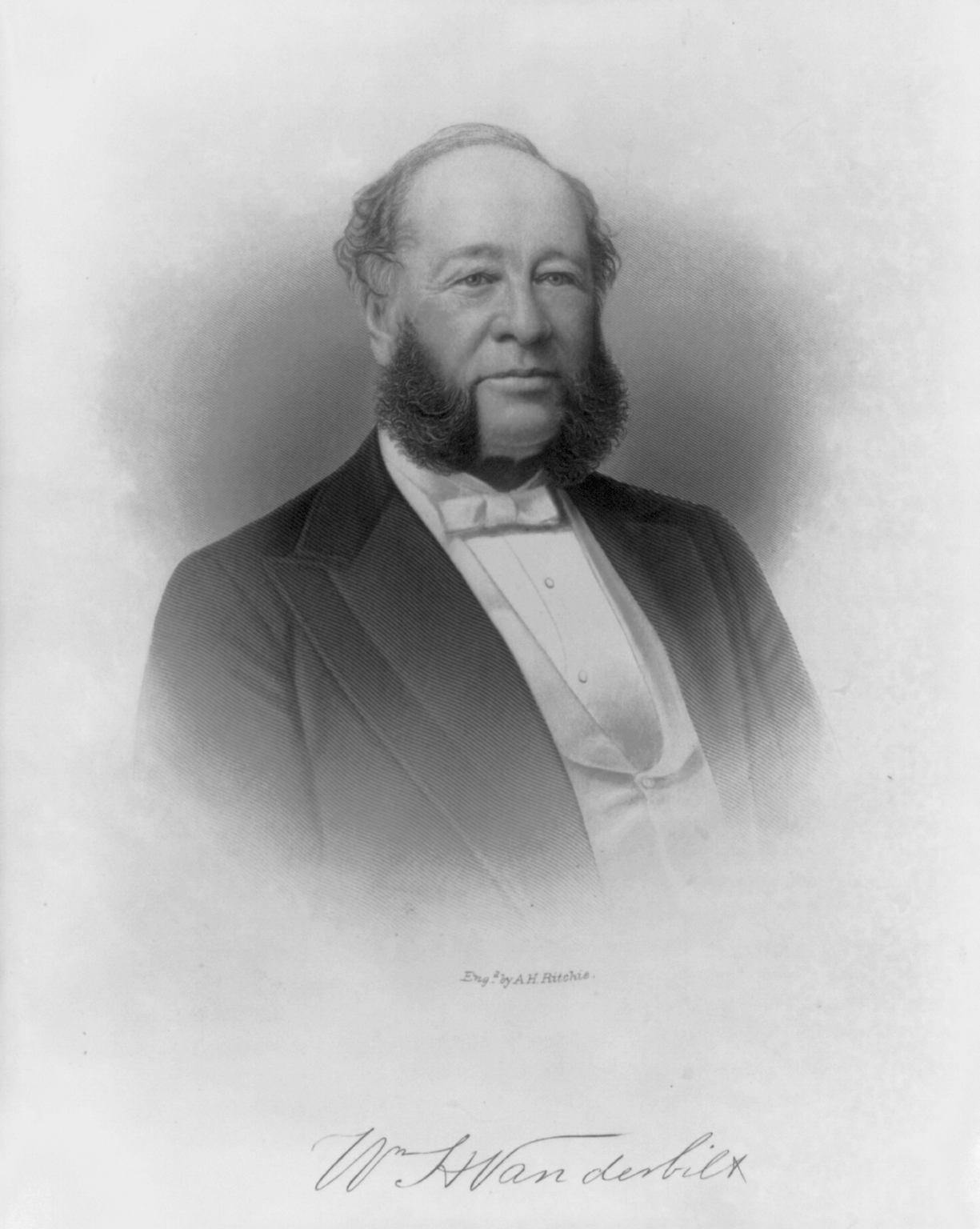
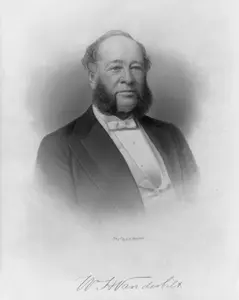
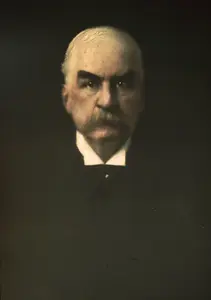
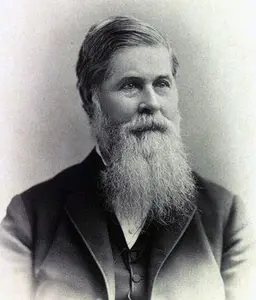
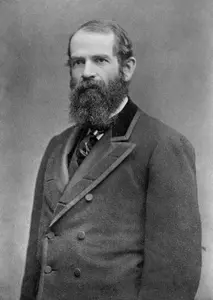
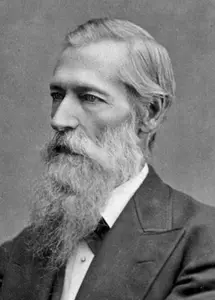
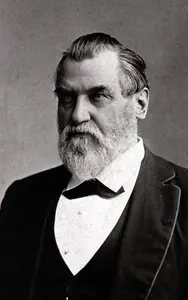
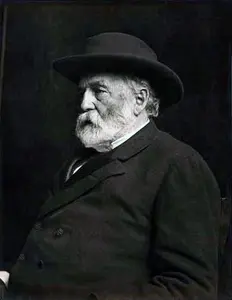
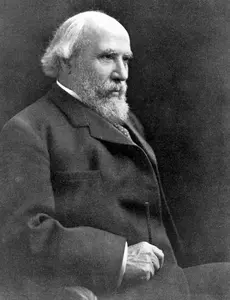
William H. Vanderbilt portrait.
On this page: At a glance · New Brunswick · The Central · The western roads · Fifth Avenue · The estate
At a glance
| Item | Detail |
|---|---|
| Born | New Brunswick, New Jersey. May 8, 1821 |
| Died | December 8, 1885, New York City. Tuesday. Age 64 |
| Father | Cornelius Vanderbilt. Died January 4, 1877, still in office |
| Early work | Columbia grammar school. Left at seventeen. Ship-chandler, then a clerk for Daniel Drew. Farm at New Dorp, 1842 |
| The Central | Vice president of the Harlem and the Hudson River, 1864. Vice president of the consolidated company from November 1, 1869. President from June 19, 1877 |
| The Lake Shore | President from May 2, 1877. Majority control about 1877 |
| Resigned | May 4, 1883, a Friday. The Central, the Lake Shore, and the Michigan Central |
| Family | Married in his twentieth year. The will names his wife Maria Louisa and eight children |
| The will | September 25, 1884. Two blocks of $40,000,000. An extra $2,000,000 to Cornelius. Residue to Cornelius and William Kissam. No total for the whole estate |
New Brunswick
Appletons' Cyclopaedia of American Biography, volume 6, enters him as William Henry, the son of the Cornelius article. The birth is New Brunswick, New Jersey, May 8, 1821. The death is New York City, December 8, 1885.
He was educated at the Columbia grammar school. He left at seventeen, went into business as a ship-chandler, and a year later became a clerk in the banking house of which Daniel Drew was the senior partner. He married in his twentieth year. The will calls his wife Maria Louisa.
His health failed. In 1842 he settled on a small farm at New Dorp, on Staten Island, which his father gave him. He made the farm pay, and enlarged it, with little help from a father who at that time thought little of his judgment in money. The opinion changed when the son, as receiver, put the bankrupt Staten Island Railroad back on its feet.
The Central
When Cornelius turned to railroads, at about seventy, he put the management of the roads he controlled into William's hands. Appletons' says William was chosen vice president of the Harlem and the Hudson River corporations in 1864, and afterward of the New York Central. He ran them with the same close attention he had used on the Staten Island road. He took little part in his father's speculations, or in the steamship lines before them.
The consolidated company is the New York Central & Hudson River. His vice presidency of that company dates from November 1, 1869. He did not become its president on the day his father died. The director list dates the presidency from June 19, 1877. Cornelius had died on January 4, still in the office.
The will of January 9, 1875, left William the residue, a little more than $100 million. That sum is his father's estate. Appletons' says William avoided a contest with his brother, Cornelius Jeremiah, and with two of his sisters. He agreed to pay the brother the income on $1,000,000, five times the provision in the will, and he added $500,000 to the legacy of each of those sisters.
Once he had the property, Appletons' says, he ended a long rate war and a threatened strike by conciliation. In November 1879 he sold 250,000 shares of New York Central stock to an English and American syndicate. The book gives his reasons as bringing other capitalists into the road and putting his own property into a form he could handle. He put the $30,000,000 into United States government bonds. A year later he held $53,000,000 of those bonds. In 1880 he sold his interest in the Western Union telegraph company.
On May 4, 1883, a Friday, he resigned the presidency of the New York Central and Hudson River, the Lake Shore and Michigan Southern, and the Michigan Central, and he sailed for Europe. The same reorganization elected his son Cornelius chairman of the board of the New York Central and of the Michigan Central, and his son William Kissam chairman of the Lake Shore.
The western roads
The Lake Shore & Michigan Southern is the water-level line from Buffalo to Chicago. Vanderbilt money had been on that board since 1869. Majority control is dated about 1877, the year William finished the purchase his father had begun. His own presidency dates from May 2, 1877.
His father took an interest in the Canada Southern in 1876. Appletons' says the acquisition was completed under William by a guarantee of the road's bonds, and the Michigan Central by purchases in the open market. The Michigan Central account dates that stock campaign to 1878. On November 30, 1882, the Michigan Central leased the Canada Southern for 21 years. Appletons' says that in 1883 the eldest son, Cornelius, became president of the Canada Southern. That son was born on Staten Island on November 27, 1843.
Appletons' says that between 1877 and 1880 William gained control of the Chicago & North Western, and counts 4,000 miles with the tributaries. The same book says he obtained a connection with St. Louis through the Cleveland, Columbus, Cincinnati & Indianapolis, the Bee Line. The later company on that map, the Cleveland, Cincinnati, Chicago & St. Louis, the Big Four, was put together on June 30, 1889. Cornelius Vanderbilt II and William K. Vanderbilt sat on that board.
In 1881 he cut rates against the other trunk lines. Appletons' says the aim was to discourage the Nickel Plate. The road opened on October 23, 1882. Three days later, on October 26, the Lake Shore & Michigan Southern bought it for $7.205 million. Appletons' says the third son, Frederick William, was secretary and treasurer of that company.
On March 3, 1880, the Boston & Albany and the New York Central & Hudson River signed a traffic contract that treated each road as the other's main line. The 99-year lease of the Boston & Albany came on July 1, 1900.
Appletons' says a cut in rates forced the West Shore into bankruptcy. The receivership dated from June 9, 1884. The road was sold on November 24, 1885. The West Shore dates from December 5, 1885. The New York Central lease, for 475 years, began on January 1, 1886.
Fifth Avenue
He built a house at the northwesterly corner of Fifth Avenue and Fifty-first Street and filled it with modern paintings, mostly of the French school. Appletons' says five houses for his sons and daughters went up on Fifth Avenue near his own. He liked fast horses, as his father had, and he bought Maud S. and other trotters.
The gifts in his lifetime, as Appletons' lists them, are separate from the will. He added $200,000 to the endowment of Vanderbilt University, gave $100,000 for a theological school, and $10,000 for a library there. In 1877 he distributed $100,000 among the trainmen and laborers of the New York Central when they did not strike. He gave $50,000 to the Church of St. Bartholomew. He paid $103,000 to bring over the obelisk that the Khedive Ismail had given to the United States, and to set it up in Central Park. In 1884 he gave $500,000 for new buildings at the College of Physicians and Surgeons. A year afterward his daughter Emily, whom Appletons' calls the wife of William D. Sloane, built a maternity hospital in connection with the college, at a cost of $250,000. The four sons later equipped a building for clinical instruction as a memorial.
Two days before the failure of Grant and Ward, General Ulysses S. Grant borrowed $150,000 from him on a check that went to protest. Grant then sent deeds to real estate, together with his swords, his medals, and the gifts of foreign governments, as security. Vanderbilt tried to return the objects. Creditors of the firm could seize them. Mrs. Grant declined to take them. She and the general also refused a trust at the Union Trust Company, on the ground that the debt was a debt of honor. The arrangement they accepted left the presents with Mrs. Grant for her life and, at her death, in the archives of the national government. She transferred them at once.
The will he signed at the City of New York on September 25, 1884, names eight children. The sons are Cornelius, William Kissam, Frederick William, and George Washington. The daughters are Margaret Louisa, wife of Elliot F. Shepard; Emily Thorn, wife of William Sloane; Florence Adele, wife of Hamilton McK. Twombly; and Eliza O., wife of William S. Webb.
Maria Louisa received the Fifty-first Street house for life, and the stables at the northeasterly corner of Madison Avenue and Fifty-second Street, also for life. The paintings, the statuary, and the works of art were hers for life, except the portrait and the marble bust of his father, which went to Cornelius. The will gives her an annuity of $200,000 a year, paid quarterly, from a principal set aside to produce it. She could dispose by will of $500,000 of that principal. The four daughters received houses on Fifth Avenue. After Maria Louisa's death the Fifty-first Street house and the collection go to George W. for his life. The will states the object in one sentence: that the residence and the collection of works of art “be retained and maintained by a male descendant bearing the name of Vanderbilt.”
The estate
He died in New York City on December 8, 1885. Appletons' gives the city and the day. May 8 had already passed, so he was 64.
The will does not state what the whole estate was worth. It does state two blocks of securities, each $40,000,000 at par. The first is divided into eight trusts of $5,000,000, one for each child, income for life, and the principal not paid during that child's life. The second is divided among the same eight children, as equally as may be. Cornelius receives $2,000,000 besides. The residue goes to Cornelius and William Kissam in equal shares. The grandson William H., son of Cornelius, is given $1,000,000 at the age of thirty.
Appletons' reads those two blocks as $10,000,000 to each of the eight children, one half of each bequest held in trust, with $2,000,000 more to the eldest son and the residue to the two eldest sons.
Vanderbilt University receives $200,000 in second-mortgage bonds of the Lake Shore and Michigan Southern. A further clause names gifts to the Domestic and Foreign Missionary Society of the Protestant Episcopal Church, St. Luke's Hospital, the Young Men's Christian Association of the City of New York, the Metropolitan Museum of Art, the American Museum of Natural History, and the Moravian church at New Dorp, among others. Those named gifts come to $1,000,000. Appletons' gathers the public bequests, the university included, as $1,000,000.
The $30,000,000 from the share sale of 1879, and the $53,000,000 in government bonds a year later, are what Appletons' says he held then. They are not an appraisal of what he left. The book adds that, by agreement among the heirs, the bulk of the fortune, railroad securities included, was left in the management of Cornelius and William Kissam.
Sources
- Appletons' Cyclopaedia of American Biography, volume 6 (1889), the article on William Henry Vanderbilt, printed as the son of the Cornelius article. Born in New Brunswick, New Jersey, May 8, 1821. Died in New York City, December 8, 1885. Columbia grammar school. Left at seventeen. Ship-chandler, then a clerk in Daniel Drew's banking house. Married in his twentieth year. Farm at New Dorp, Staten Island, 1842, given by his father. Receiver of the Staten Island Railroad. Vice president of the Harlem and Hudson River corporations in 1864, and afterward of the New York Central. Settlement with Cornelius Jeremiah and two sisters: the income on $1,000,000, five times the will, and $500,000 added to each sister's legacy. Canada Southern completed by a guarantee of the bonds. Michigan Central by purchases in the open market. Chicago and Northwestern, between 1877 and 1880, 4,000 miles with the tributaries. A St. Louis connection through the Cleveland, Columbus, Cincinnati, and Indianapolis. November 1879: 250,000 shares of New York Central sold to an English and American syndicate for $30,000,000, invested in United States bonds, of which he held $53,000,000 a year later. Western Union interests sold in 1880. Rates lowered in 1881, chiefly against the Nickel Plate. Resigned May 4, 1883, as president of the New York Central and Hudson River, the Lake Shore and Michigan Southern, and the Michigan Central. Cornelius elected chairman of the New York Central and Michigan Central boards. William Kissam elected chairman of the Lake Shore. The Nickel Plate acquired when completed. The West Shore forced into bankruptcy by a reduction of rates. Lifetime gifts: $200,000 added to the Vanderbilt University endowment, $100,000 for a theological school, $10,000 for a library, $100,000 to New York Central trainmen and laborers in 1877, $50,000 to the Church of St. Bartholomew, $103,000 for the obelisk given by the Khedive Ismail, $500,000 in 1884 to the College of Physicians and Surgeons. The daughter Emily, wife of William D. Sloane, a maternity hospital at $250,000. Grant and Ward, $150,000. The book's reading of the will: $10,000,000 to each of eight children, half in trust; $2,000,000 more to the eldest son; the residue to the two eldest sons; an annuity of $200,000 to the widow. Eldest son Cornelius, born on Staten Island, November 27, 1843, and president of the Canada Southern from 1883. Frederick William, secretary and treasurer of the New York, Chicago, and St. Louis.
- The will of William H. Vanderbilt, signed at the City of New York on September 25, 1884, as printed by H. R. Taggart & Co., 1580 Broadway. Wife Maria Louisa. Life estate in the house at the northwesterly corner of Fifth Avenue and Fifty-first Street, and in the stables at Madison Avenue and Fifty-second Street. Annuity of $200,000 a year. She may dispose by will of $500,000 of the principal set aside to produce it. Eight children: Cornelius; William K.; Frederick W.; George W.; Margaret Louisa, wife of Elliot F. Shepard; Emily Thorn, wife of William Sloane; Florence Adele, wife of Hamilton McK. Twombly; Eliza O., wife of William S. Webb. Seventh clause: $40,000,000 of named bonds at par, eight trusts of $5,000,000, income for life. Ninth clause: another $40,000,000 of securities at par, divided among the same eight. Thirteenth clause: $2,000,000 more to Cornelius. Fourteenth clause: after the wife, the house and the collection to George W. for life, with the stated object that they be retained by a male descendant bearing the name of Vanderbilt. Grandson William H., son of Cornelius, $1,000,000 at the age of thirty. Twentieth clause: $200,000 in Lake Shore and Michigan Southern second-mortgage bonds to Vanderbilt University. Twenty-first clause, added as written: $100,000 foreign and $100,000 domestic to the Domestic and Foreign Missionary Society of the Protestant Episcopal Church; $100,000 to St. Luke's Hospital; $100,000 to the Young Men's Christian Association of the City of New York; $50,000 to the General Theological Seminary; $50,000 to the New York Bible and Common Prayer Book Society; $50,000 to the Home for Incurables; $50,000 to the Protestant Episcopal Church Missionary Society for Seamen; $50,000 to the New York Christian Home for Intemperate Men; $100,000 to the New York Protestant Episcopal Mission; $100,000 to the Metropolitan Museum of Art; $50,000 to the American Museum of Natural History; $100,000 to the Moravian Church in New Dorp Lane, Staten Island. Those gifts add to $1,000,000. Twenty-second clause: the residue to Cornelius and William K., equally. The will states no total for the estate.
- The Cornelius Vanderbilt page, for the dates already established there. Died January 4, 1877, still president. Will of January 9, 1875. Residue a little more than $100 million to William. William's vice presidency of the consolidated company from November 1, 1869. William president of the New York Central & Hudson River from June 19, 1877. Lake Shore presidency from May 2, 1877.
- The company pages, for the railroad dates already established there. Lake Shore & Michigan Southern: Vanderbilt money on the board from 1869, majority control about 1877. Michigan Central and the Canada Southern: Canada Southern in 1876, Michigan Central stock in 1878, the 21-year lease of November 30, 1882. Nickel Plate: opened October 23, 1882, sold to the Lake Shore on October 26, 1882, for $7.205 million. Boston & Albany: traffic contract of March 3, 1880. The 99-year lease is July 1, 1900. Big Four: the Bee Line connection, and the consolidation of June 30, 1889. West Shore: receivership June 9, 1884, sale November 24, 1885, the West Shore company December 5, 1885, and the 475-year lease from January 1, 1886.
Recent Articles


-
William H. Vanderbilt: Net Worth, Railroads, Biography
Nov 20, 26 10:08 AM
 William H. Vanderbilt was born in New Brunswick, New Jersey, on May 8, 1821. He died in New York City on December 8, 1885. His will names two blocks of $40,000,000 and states no total.
-
J. Edgar Thomson: Net Worth, Pennsylvania Railroad, Biography
Nov 20, 26 12:25 AM
 J. Edgar Thomson was born in Springfield, Delaware County, Pennsylvania, on February 10, 1808. He died in Philadelphia on May 27, 1874. No opened inventory states a total.
-
Thomas A. Scott: Net Worth, Railroads, Biography
Nov 20, 26 12:06 AM
 Thomas A. Scott was born at Loudon, Pennsylvania, on December 28. The year is 1823 in one biography and 1824 on the funeral plate. He died near Darby on May 21, 1881. No opened inventory states a tota…
-
Henry Villard: Net Worth, Railroads, Biography
Nov 19, 26 11:41 PM
 Henry Villard was born Ferdinand Heinrich Gustav Hilgard at Speyer on April 10, 1835, and died early on November 12, 1900, at Thorwood Park, near Dobbs Ferry. He was 65. A court recital put the person…
-
J.P. Morgan: Net Worth, Railroads, Biography
Nov 19, 26 07:03 PM
 John Pierpont Morgan was born in Hartford on April 17, 1837, and died in Rome on March 31, 1913, at 12:05 p.m. Rome time. He was 75. A 1916 New York appraisal put the gross estate at $78,149,024, excl…
-
Daniel Willard: Net Worth, Baltimore and Ohio, Biography
Nov 19, 26 06:51 PM
 Daniel Willard was born on January 28, 1861, and died on July 6, 1942. He was 81. He was president of the Baltimore and Ohio from January 15, 1910 until 1941. No opened record states a fortune. Time p…
-
Cyrus K. Holliday: Net Worth, Santa Fe, Biography
Nov 19, 26 06:03 PM
 Cyrus Kurtz Holliday was born April 3, 1826, and died in Topeka on March 29, 1900. He was 73. He founded Topeka, wrote the Atchison and Topeka charter, and was the railroad's first president. He l…
-
N&W 2-6-6-4 Locomotives (Class A): Specs, Roster, History
Nov 19, 26 05:39 PM
 Norfolk & Western Class A. Forty-three simple 2-6-6-4s, 1200 to 1242, built at Roanoke from 1936 to 1950 for time freight and used on passenger trains when assigned. Diagram specs, the 114,000-pou…
-
Jay Cooke: Net Worth, Civil War, Biography
Nov 19, 26 05:05 PM
 Jay Cooke was born at Sandusky on August 10, 1821, and died the night of February 16, 1905, at Ogontz. He was 83. Jay Cooke and Company opened January 1, 1861, and suspended September 18, 1873. He sol…
-
Daniel Drew: Net Worth, Erie Railroad, Biography
Nov 19, 26 04:44 PM
 Daniel Drew was born at Carmel on July 29, 1797, and died the night of September 18, 1879, age 82. He was Erie treasurer, not president. The settlement of July 2, 1868, put him out of that office.
-
James Fisk Jr.: Net Worth, Robber Baron, Biography
Nov 19, 26 02:47 PM
 James Fisk Jr. was born on April 1, 1835, and died the morning of January 7, 1872, at the Grand Central Hotel. He was 36. Edward S. Stokes shot him the afternoon before. He was an Erie director from O…
-
Chehalis-Centralia Polar Express Seats Are Sold Out
Nov 19, 26 02:43 PM
Chehalis-Centralia marks its Polar Express departures sold out. Diesel No. 6 is pulling while steam No. 15 is repaired. The business-car page still prints $260, $390, and $520. -
Cumbres & Toltec Lists Santa's Holiday Express
Nov 19, 26 02:38 PM
 Cumbres & Toltec lists Santa's Holiday Express for December 5-6 in Chama and December 12-13 in Antonito. Coach is $25. The Chama trip will not run to Dalton.
-
Florida Railroad Museum Lists the North Pole Express
Nov 19, 26 02:28 PM
 The Florida Railroad Museum lists the North Pole Express from November 27 through December 22, 2026. The trip is 3.75 hours. The museum will be closed November 21 and 22.
-
George Jay Gould: Net Worth, Railroads, Biography
Nov 19, 26 02:18 PM
 George Jay Gould was born in New York on February 6, 1864, and died on May 16, 1923, at his villa in France. The company pages date his father's portfolio to 1896. The Panic of 1907 broke the tran…
-
Jay Gould: Net Worth, Railroads, Biography
Nov 19, 26 01:43 PM
 Jason Gould, called Jay, was born at Roxbury on May 27, 1836, and died the morning of December 2, 1892. Erie president from October 1868 until 1872. From 1879 the Missouri Pacific was the center of th…
-
Mark Hopkins Jr.: Net Worth, Railroads, Biography
Nov 19, 26 11:53 AM
 Mark Hopkins Jr., born at Henderson on September 1, 1813, died at Fort Yuma on the night of March 29, 1878. Treasurer of the Central Pacific from June 28, 1861, until he died in that office. The 1881…
-
Leland Stanford: Net Worth, Railroads, Biography
Nov 19, 26 12:36 AM
 Amasa Leland Stanford, Watervliet 1824 to the Palo Alto house in June 1893, president of the Central Pacific and, until February 28, 1890, of the Southern Pacific. The 1893 inventory was about 17 mill…
-
Charles Crocker (Railroads): Robber Baron, Net Worth, Biography
Nov 19, 26 12:23 AM
 Charles Crocker, Troy 1822 to August 14, 1888, built the Central Pacific and drove the Siskiyou spike. He did not die president of the Southern Pacific. The opened biographies state no estate total.
-
Edward H. Harriman (Railroad): Facts, Robber Baron, Biography
Nov 19, 26 12:18 AM
 Edward Henry Harriman, February 25, 1848, to September 9, 1909, president of the Union Pacific from 1904 until he died in that office. The Courier-Journal put the known estate on the public record at…
-
Collis P. Huntington: Net Worth, Railroads, Biography
Nov 18, 26 11:26 PM
 Collis Potter Huntington, 1821 to 1900, vice president of the Central Pacific and president of the Southern Pacific from February 28, 1890, until he died in that office. The will stated no total. The…
-
Detroit Terminal Railroad: History, Roster
Nov 18, 26 10:47 PM
 The Detroit Terminal Railroad was a Detroit and Highland Park belt line, incorporated December 8, 1905. The November 1944 Guide listing gives 17.994 miles of first main track.
-
James J. Hill: Net Worth, Railroads, Robber Baron, Facts
Nov 18, 26 09:19 PM
 James J. Hill, 1838 to 1916, built the Great Northern from the St. Paul and Pacific to Puget Sound and left the chair in 1912. The fortune was estimated at $63 million. He left no will.
-
Cornelius Vanderbilt: Biography, Facts, Net Worth
Nov 18, 26 05:21 PM
 Cornelius Vanderbilt, 1794 to 1877, assembled the New York Central and Hudson River from the Harlem, the Hudson River Railroad, and the original New York Central, and died in office. The estate was ab…
-
Pacific Great Eastern Railway: All-Time Diesel Roster
Nov 18, 26 12:24 PM
 All-time diesel roster of the Pacific Great Eastern, the British Columbia Railway, and BC Rail. Classes, road numbers, and builder data from Paul Crozier Smith, Canadian Rail no. 547 (2012).
-
Pacific Great Eastern Railway: Map, History, Roster
Nov 18, 26 10:22 AM
 The Pacific Great Eastern, incorporated February 27, 1912, became the British Columbia Railway Company on March 30, 1972. On the October 26, 1969 Official Guide, 861.9 miles were under operation. Cana…
-
Northern Alberta Railways: Map, History, Timetables
Nov 17, 26 11:52 PM
 Northern Alberta Railways, reporting mark NAR, was incorporated June 14, 1929, and owned jointly by Canadian National and Canadian Pacific. On the October 27, 1968 freight timetable, Dawson Creek is 4…
-
Yakima Valley Transportation: History, Timetable, Photos
Nov 17, 26 10:51 PM
 Yakima Valley Transportation opened Christmas Day, 1907. Union Pacific bought it June 9, 1909. Last city car February 1, 1947. Last freight November 18, 1985. Line car A and steeplecab 298 stayed in Y…
-
"20th Century Limited" (Train): Map, Consist, Schedule, Interior
Nov 17, 26 05:03 PM
 The 20th Century Limited was the flagship passenger train of the NYC, operating until 1967 (just prior to the Penn Central merger).
-
Western Pacific Diesel Roster (All-Time)
Nov 17, 26 04:52 PM
 Western Pacific all-time diesel roster. Why the switchers, covered wagons, road switchers, and General Electric units were bought, where they worked, and what Union Pacific inherited on December 22, 1…
-
Western Pacific Steam Roster (Built Since 1900)
Nov 17, 26 04:49 PM
 Western Pacific steam locomotives built since 1900. Drury quantity column 201. Thirteen rows. Mikado 329 made the last regular steam run in June 1953.
-
Western Maryland Scenic Lists Polar Express Fares
Nov 17, 26 03:30 PM
 Western Maryland Scenic lists Polar Express tickets from November 21 through December 24, 2026. Coach is $40, plus a $5 heritage fee. Excursions are diesel while No. 1309 is inspected.
-
Western Pacific Railroad: Map, History, Logo, Rosters
Nov 17, 26 11:12 AM
 The Western Pacific, organized in San Francisco on March 3, 1903, the Feather River Route to Salt Lake City, and the Union Pacific acquisition completed on December 22, 1982.
-
Spokane, Portland & Seattle Diesel Roster (All-Time)
Nov 17, 26 10:53 AM
Spokane, Portland and Seattle all-time diesel roster. Why the Alcos, Baldwins, and Electro-Motive units were bought, where they worked, and which numbers Burlington Northern inherited. -
Spokane, Portland & Seattle Steam Roster (Built Since 1900)
Nov 17, 26 10:46 AM
 Spokane, Portland and Seattle steam locomotives built since 1900. Drury quantity column 121. Rebuilds counted once, 115 frames. Last steam run was June 23, 1956.
-
Spokane, Portland & Seattle Railway: Map, History, Photos
Nov 17, 26 10:10 AM
 The Spokane, Portland and Seattle, organized August 22, 1905 as the Portland and Seattle, the north-bank line to Portland, and the Burlington Northern merger at 12:01 a.m. on March 2, 1970.
-
Pacific Electric Railway: Car Roster
Nov 16, 26 12:15 AM
 Pacific Electric cars by order: the St. Louis 800s and 950s, Jewett Tens, Standard Steel 1100s, Pressed Steel and Pullman 1200s, and the city-car number catalog.
-
Pacific Electric Railway: Locomotive Roster
Nov 16, 26 12:02 AM
 Pacific Electric box motors, Baldwin-Westinghouse electrics, company-built locomotives, and the General Electric diesels numbered 1650-1654 in 1947.
-
Pacific Electric Railway: Map, Logo, History, Photos
Nov 15, 26 11:38 PM
 The Pacific Electric Red Cars of Los Angeles, Henry Huntington, the Great Merger of September 1, 1911, and the last Long Beach train on the morning of April 9, 1961.
-
Spokane International Railroad: Map, History, Photos
Nov 15, 26 06:54 AM
 The Spokane International, chartered January 1, 1905, from Spokane to Eastport, Idaho, its steam locomotives and Alco RS-1s, and Union Pacific control on October 6, 1958.
-
Northwestern Pacific Railroad: History, Map, Timetable
Nov 15, 26 12:38 AM
 The Northwestern Pacific, incorporated January 8, 1907, by the Southern Pacific and the Santa Fe, the Willits to Shively line, general traffic on July 1, 1915, and the later operators north of San Fra…
-
Northern Pacific Diesel Roster (All-Time)
Nov 14, 26 09:17 PM
 Northern Pacific all-time diesel roster. Alco, Baldwin, Electro-Motive, and General Electric serials, orders, and build dates.
-
Northern Pacific Steam Roster (Built Since 1900)
Nov 14, 26 07:44 PM
Northern Pacific steam locomotives built since 1900. Last steam run was January 17, 1958. -
Northern Pacific Railway: Map, Logo, History, Rosters
Nov 14, 26 12:15 AM
 The Northern Pacific, chartered July 2, 1864, from Jay Cooke and the panic of 1873 to the last spike at Gold Creek in 1883, Stampede Tunnel in 1888, and Burlington Northern at 12:01 a.m. on March 2, 1…
-
The Pacific Extension (Milwaukee Road): Map, Abandonment, History
Nov 13, 26 11:52 PM
 The Milwaukee Road Pacific Extension, from Mobridge to Tacoma. A shorter northern transcontinental, the mountain electrification, and the decision to take the line up.
-
Colorado Railroad Museum Lists Polar Express Fares
Nov 13, 26 11:44 PM
The Colorado Railroad Museum lists 2026 Polar Express train tickets through December 23. Standard seats are $80 and $100. First Class is sold by the table. Shows are at 5, 6:30, and 8 p.m. -
Essex Steam Train Lists the North Pole Express
Nov 13, 26 11:24 PM
 The Essex Steam Train lists North Pole Express dates from November 20 through December 23, 2026. Coach is $60 or $70. The railroad says questions about this train are not taken by phone.
-
Tennessee Valley Lists the North Pole Limited
Nov 13, 26 11:17 PM
The Tennessee Valley Railroad Museum lists the North Pole Limited on select dates from November 13 through December 23, 2026. Traditional tickets are $38 and $45. The page does not print a clock grid. -
Great Northern Diesel Roster (All-Time)
Nov 13, 26 10:59 PM
 Great Northern all-time diesel roster. Alco, Baldwin, Electro-Motive, and General Electric serials, orders, and build dates. Cascade electrics stay on the company page.
-
Alco "DH-643" Locomotives: Specs, Roster, Data Sheet
Nov 13, 26 10:39 PM
 Alco DH-643: 4,300 hp diesel-hydraulic C-C road switcher. Three built for the Southern Pacific in September 1964. Specs, drive, and the production roster.