History of the Railroad Brakeman: Hand Brakes, Link-and-Pin & Crew Consists
Published: August 12, 2026
By: Adam Burns
Few American industrial jobs compress the story of technology, law, and labor as tightly as the railroad brakeman. In the mid-nineteenth century the craft sat among the deadliest occupations in the country: men walked the roofs of moving freights to set hand brakes and stood between cars to couple with a link and pin. By the mid-twentieth century the same title described a junior trainman who threw switches, cut cars, and learned the property under a conductor. By the early twenty-first, Class I road freights had largely folded that work into a two-person head-end crew.
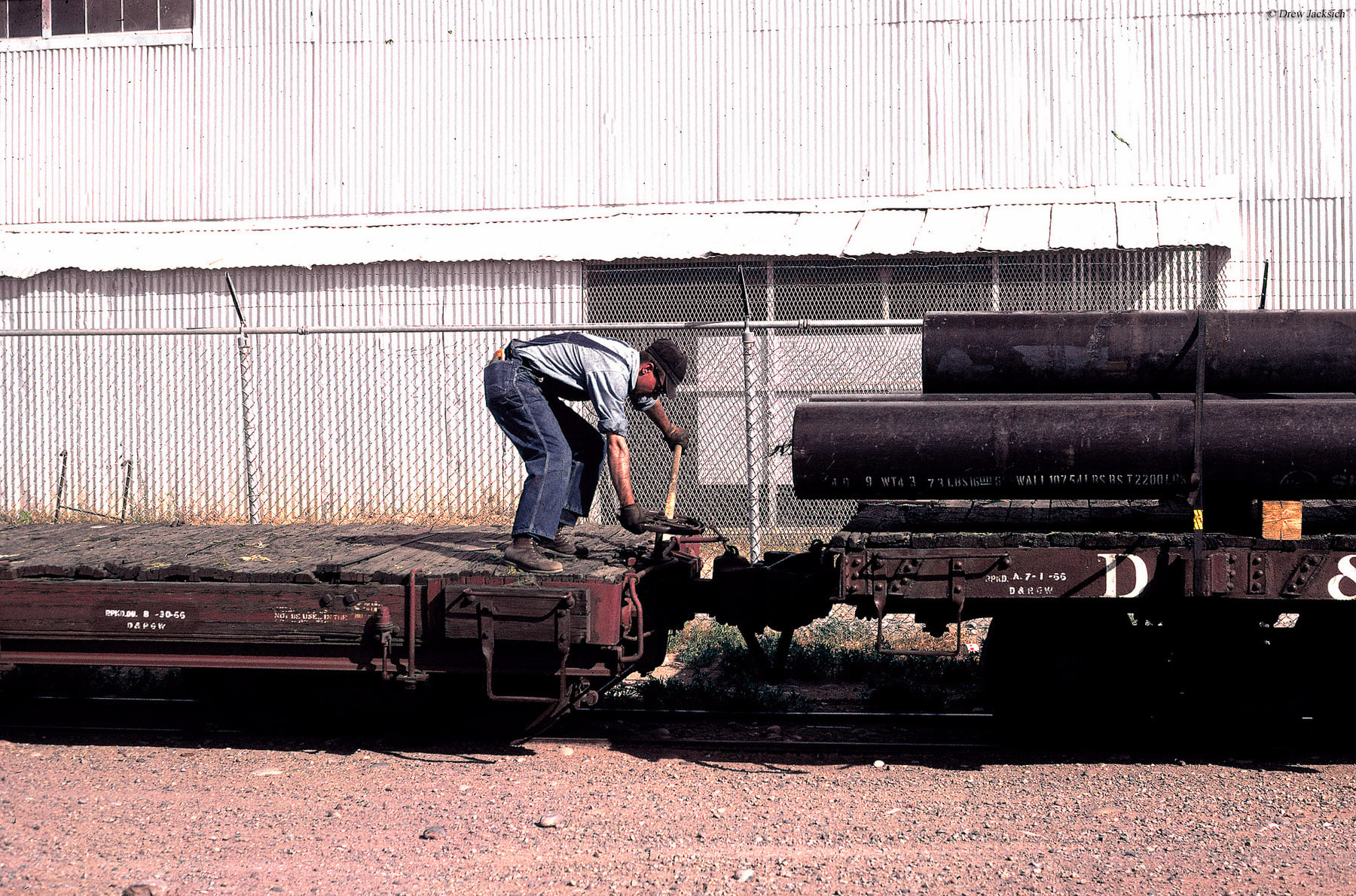
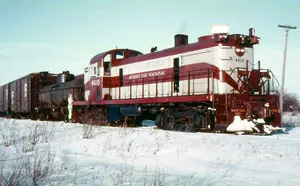
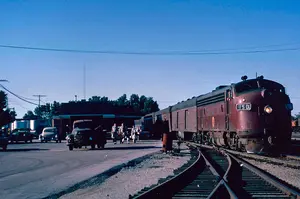
A Rio Grande brakeman “clubs down” the hand brake on a flatcar at the end of the narrow-gauge Farmington Branch in Farmington, New Mexico, June 1967—decades after air brakes, hand wheels still mattered for securement. Drew Jacksich photo.
This essay is the historical deep dive. For 2026 hiring reality (apply as a conductor/trainman), see the short companion: Railroad Brakeman Jobs (2026).
Before Air Brakes: An Army on the Roofs
Early railroad cars carried only crude means of slowing down. Jim Boyd, in The American Freight Train, notes that even gravity cars of the industry’s infancy used levers and brake shoes against the wheel treads. As trains grew longer and heavier, locomotives still lacked a reliable way to brake the entire consist at once. The solution was human: an army of brakemen who, on a signal from the engineer, climbed car roofs and turned hand-brake wheels—often at speed, in rain, snow, ice, and wind.
A man’s tools were simple and revealing: a brake club to gain leverage on the wheel, flags and lanterns for signaling, a switch key, and nerve. There was little formal schooling for the craft. Able-bodied applicants learned after hire, on moving equipment, in a culture that treated injury as an expected cost of doing business. Brian Solomon and other craft historians have long stressed how ordinary that danger was before federal safety law—not a rare accident, but a structural feature of the job.
Hand braking was only half the horror. Coupling with the link-and-pin drawbar required a worker to stand between cars, guide a metal link into a pocket, and drop a pin as the locomotive eased the cut together. Crushed hands, arms, and worse were routine. Eli Janney’s knuckle coupler (patented 1873) offered a way out; railroads were slow to spend the money until law forced the issue.
Westinghouse, Janney, and the Safety Appliance Era
George Westinghouse’s automatic air brake (commercially developed from the late 1860s) allowed the engineer to apply brakes throughout a train from the cab. That single change began to erase the classic rooftop sprint from car to car. It did not, however, instantly eliminate brakemen. Hand brakes remained essential for securement, for cars cut out of air, and for many yard moves. The craft shifted from “stop the train by muscle” toward “handle cars, protect moves, and support the conductor.”
Congress finally compelled modernization with the Railway Safety Appliance Act of 1893 (and subsequent enforcement deadlines), mandating automatic couplers and power brakes on cars in interstate commerce. The law is one of the great turning points in American labor safety: it attacked the two practices that maimed brakemen most systematically. Tell-tale warning devices—dangling ropes or chains hung over the track before low bridges and tunnels—remained a grim accessory of the roof-walk years; a man who felt the tell-tale had seconds to drop flat or be swept off.
Even after air and knuckles became standard, nineteenth-century wage cuts and weak unions left railroaders exposed in other ways. Strikes such as the Great Railroad Strike of 1877 grew from pay and power, not only from mechanical danger—but the public image of the crushed brakeman helped build support for regulation that pure corporate self-interest had delayed for decades.
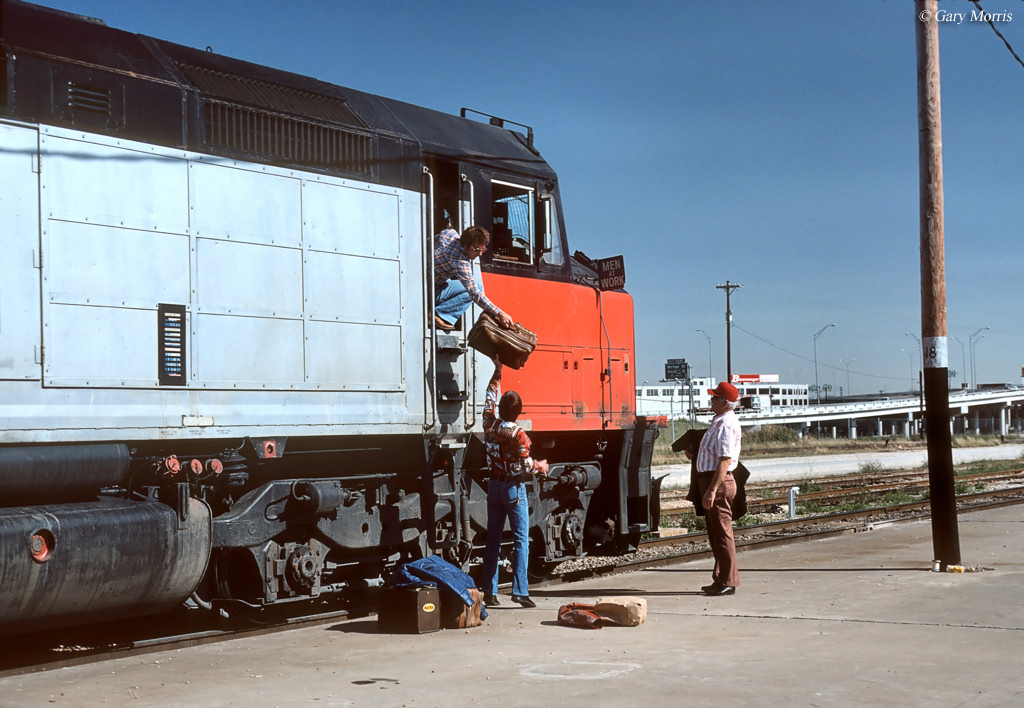
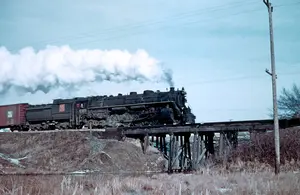
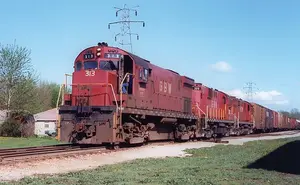
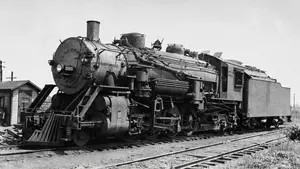
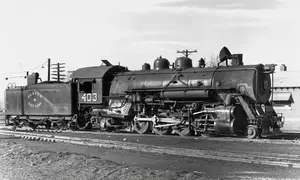
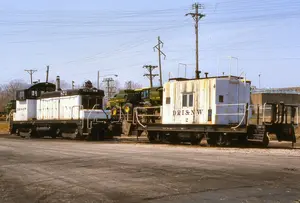
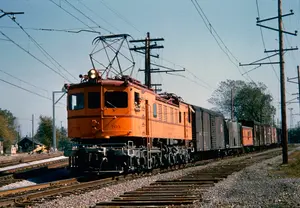
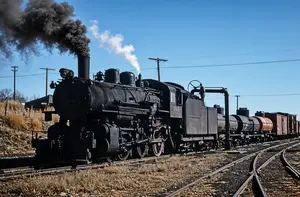
Freight railroading in the classic era still needed multiple trainmen even after air brakes: switching, flagging, and caboose-end protection were human jobs. Gary Morris photo.
What a “Good Brakeman” Was Supposed to Be
By the early twentieth century the industry had a clearer (if still informal) profile of the craft. Calvin Swingle’s 1908 Standard Rules for Movement of Trains, excerpted in Solomon’s Working on the Railroad, captured the mix of romance and hard requirements young men brought to the work: a chance to see the country without buying a ticket, balanced against the need for common sense, a quick ear, a sound body, and steady nerves.
That combination—travel, physical risk, and hierarchical obedience—defined train service for generations. The brakeman took orders from nearly everyone else on the crew. In return he learned the railroad from the ground up: where the switches sat, how cuts behaved, how conductors thought, how engineers expected signals. The job was an apprenticeship long before community colleges offered conductor programs.
Head Brakeman, Rear Brakeman, Flagman
Classic freight crews often fielded multiple trainmen. A common pattern into the mid-twentieth century looked something like this:
- Engineer and fireman on the locomotive (steam era)
- Head-end brakeman for switching, lining switches, and head-end protection work
- Conductor, often working from the caboose as rolling office
- Rear brakeman / flagman, charged especially with protecting the rear when the train stopped
The rear man’s duties were deadly serious in the pre-radio age. Seasoned railroaders described hitting the ground with flagging kit, fusees, and track torpedoes the moment a train stopped unexpectedly—walking back far enough to warn anything following. Without wireless communication, the caboose end was the only continuous human watch on the train’s rear and a key place to spot hot boxes or shifted loads on roll-bys.
For a focused look at rear-end protection as a titled craft, see flagman. For the steam-era second man in the cab, see fireman.
Yard Switchmen: The Same Craft, Different Geography
In terminals the junior trainman was often called a switchman rather than a brakeman, working under a yard foreman (conductor) and, where staffed, a yardmaster. The work was continuous motion in tight quarters: lining switches, riding cuts, setting hand brakes for securement, coupling and uncoupling, giving lantern or hand signals to the engineer.
Because distances were short and crews stayed in sight of one another, yard work developed a dense language of signals—circular swings for air brakes, vertical or horizontal motions for proceed, back up, or stop—executed with hands, flags, or lanterns. The skills overlapped road braking culture even after mainline air brakes made rooftop sprints obsolete. Many conductors earned their judgment in the yard first.
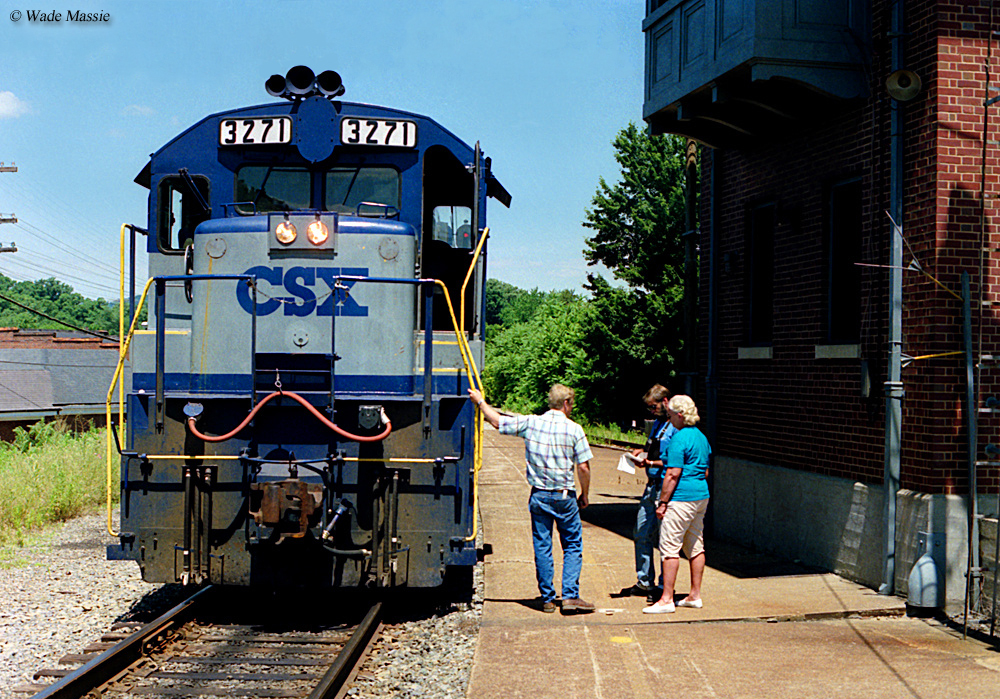
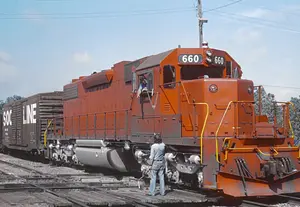
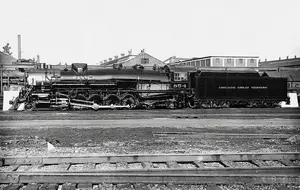
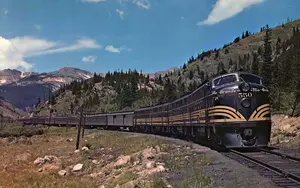
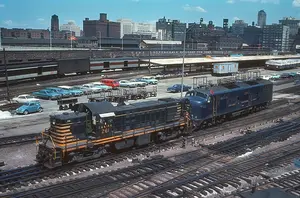
Radio, end-of-train telemetry, and reduced crew consists rewrote who rides freights—and how many people share the work once done by several brakemen. Wade Massie photo.
Diesel, Radio, Caboose Exit, and Crew Consist
Dieselization removed the fireman’s essential firing work and simplified head-end manning debates over time. Radio put the conductor and engineer in continuous voice contact, reducing the need for a permanent human lookout and office at the rear. The end-of-train device (EOT / FRED)—telemetry for brake-pipe pressure plus a flashing rear marker—undercut the caboose’s technical justification. Cabooses, expensive to maintain and staff, largely left Class I freights in the 1980s.
Crew-consist agreements and operating practice then compressed road freights toward the pattern familiar today: engineer + conductor on the head end. Occasional third persons still appear for heavy industrial switching or special circumstances, and short lines vary, but the classic five-person freight is a museum memory on most main lines. What brakemen once did exclusively—cut cars, line switches, protect shoves, secure hand brakes—still happens; it is simply owned by the conductor (and, in yards, by switch crews under whatever title the agreement uses).
Labor history matters here as much as engineering. Reductions in crew size were fought craft by craft and railroad by railroad. Technology made smaller crews possible; contracts and regulation shaped how quickly they became normal. The brakeman title often lingered in rule books and seniority rosters after the everyday road job had already changed underneath it.
Passenger Trains and a Different Public Face
Freight wrote the bloody chapter of the craft, but passenger trains employed brakemen too—often with cleaner clothes and a more public role of platform work, traps and steps, and car-to-car duties under a passenger conductor. The hierarchy still ran conductor first; the junior man still learned by doing. As passenger service contracted after World War II and migrated to Amtrak and public agencies after 1971, those billets shrank with the timetable. Today’s passenger assistant conductor / trainman roles inherit pieces of that work without always using the nineteenth-century title.
Modelers and photographers sometimes remember the passenger brakeman as the man between coaches at station stops. The freight brakeman of the 1880s, by contrast, is harder to romanticize honestly: cold roofs, hot pins, and a life expectancy that corporate ledgers treated as replaceable.
What Survived into Living Memory
Hand brakes never fully disappeared. Securing standing cuts, tying down cars left in the clear, and many yard moves still require a person on the ground with a brake wheel—exactly the scene Drew Jacksich photographed on the Rio Grande narrow gauge in 1967, long after Westinghouse air was universal. Tell-tales survive as preserved artifacts along some rights-of-way and in museums, mute warnings from the roof-walk century.
Tourist and museum railroads still train brakemen for heritage operating practices and passenger car work. Those roles preserve skill and language; they are not a map of Class I employment. Industrial switching and some regionals likewise keep multi-person ground crews where traffic density and plant design demand them. On some properties a new hire may still hear “you’re the brakeman today” meaning you take the ground—vocabulary outlasting the old crew sheet.
Why the History Still Matters
The brakeman’s arc is a case study in how American railroading modernized: first by forcing safer hardware onto cars that companies would not equip voluntarily, then by substituting radio and telemetry for human lookouts, then by rewriting labor agreements around what machines made possible. It is also a reminder that “progress” in safety and productivity often eliminated the very jobs that had paid for earlier danger with blood.
When readers search for brakemen today, they split into two groups. Job seekers need a blunt map to conductor hiring. Historians, modelers, and descendants of railroad families need the longer story. This site now splits those intents on purpose: careers on brakeman.html, history here.
Related Reading
- Brakeman jobs (2026 career leaf) · Railroad jobs hub
- Conductor · Flagman · Fireman
- Locomotive engineer · Yards & yardmasters
- Railroad history · Freight cars
Sources
- Boyd, Jim. The American Freight Train (early braking and car practice)
- Solomon, Brian. Working on the Railroad (craft culture; Swingle excerpt; crew accounts)
- Swingle, Calvin. Standard Rules for Movement of Trains (1908), as excerpted in later craft histories
- Railway Safety Appliance Act of 1893 and subsequent federal safety-appliance enforcement history
- Westinghouse automatic air brake and Janney coupler development (standard industry histories)
- Crew-consist, caboose elimination, and end-of-train device practice in late-20th-century U.S. freights (trade and labor histories)
- Oral and published accounts of flagging practice (e.g., rear-end protection descriptions in craft literature)
History essay written August 2026 as the research companion to the shortened brakeman career page.
Recent Articles


-
Kansas City Southern Steam Roster (Built Since 1900)
Oct 25, 26 11:50 AM
Steam locomotives of the Kansas City Southern built since 1900, with the Louisiana & Arkansas and the Texas company. -
Kansas City Southern Diesel Roster (Built New)
Oct 25, 26 11:46 AM
 All-time diesel roster of the Kansas City Southern. E units, F units, Geeps, SD40s through SD70ACes, Fairbanks-Morse, Baldwin, Alco, and General Electric, with serials and order numbers.
 -
Kansas City Southern Railway: Map, Photos, History
Oct 25, 26 12:24 AM
 The Kansas City Southern, from Arthur Stilwell's Gulf line to Canadian Pacific Kansas City on April 14, 2023. Steam and diesel rosters, the Southern Belle, and the Louisiana & Arkansas.
 -
Indiana Harbor Belt Diesel Roster (All-Time)
Oct 25, 26 12:17 AM
 All-time diesel roster of the Indiana Harbor Belt. 202 locomotive frames, each counted once. NW2s, SW7s, SW1500s, road switchers, and gensets. Slugs and boosters are outside the count.
 -
Indiana Harbor Belt Steam Roster (Built Since 1900)
Oct 25, 26 12:13 AM
 Steam locomotives of the Indiana Harbor Belt built since 1900. 182 engines, each counted once. 0-6-0s, 2-6-0s, 0-8-0s, and 2-8-2s. The three U-4a switchers are three-cylinder Brooks engines of 1927.
 -
Indiana Harbor Belt Railroad: Map, Rosters, History
Oct 25, 26 12:00 AM
 Indiana Harbor Belt, the inner belt across the Calumet, from the East Chicago Belt of May 16, 1896. Renamed June 29, 1907. Still operating, headquarters Hammond. Steam roster is the companion, 182 loc…
 -
NYC's "P Motor" Electric Locomotives
Oct 24, 26 11:43 PM
 New York Central P motors: 22 Alco-GE 2-C+C-2 electrics, Cleveland Union Terminal 1050–1071, class P-1a. 3,030 hp one-hour on 3,000-volt DC catenary, then 660-volt third rail as P-2a and P-2b.
 -
Illinois Terminal Car Roster
Oct 24, 26 11:40 PM
 Illinois Terminal cars. Mainline motors, the 1948 streamliners, sleepers, Alton and Valley Division cars, express motors, and the line cars rebuilt from pull cars.
 -
Illinois Terminal Diesel Roster
Oct 24, 26 09:31 PM
 All-time Illinois Terminal diesels, 62 frames. Alco S-2s and RS-1s, EMD switchers, GP7s, SD39s, GP38-2s, and the two GP20s. Serial numbers from the 1989 roster.
 -
Illinois Terminal Electric Locomotives
Oct 24, 26 08:22 PM
 Illinois Terminal electric locomotives, 57 frames. Class A through Class D, the Decatur-built motors, and the battery locomotives. Class D is the same five Class C frames, rebuilt.
 -
Illinois Terminal Steam Roster
Oct 24, 26 07:37 PM
 Illinois Terminal steam locomotives, 36 frames. Baldwin Moguls, three Class 30 Mikados, Florida East Coast 0-8-0s, and 2-6-0 No. 21, the last fire on June 30, 1950.
 -
Illinois Terminal Railroad: Map, Roster, Photos, History
Oct 24, 26 07:32 PM
 Illinois Terminal, McKinley's Illinois Traction System, from the Danville coal towns to St. Louis. The McKinley Bridge, the sleeping cars, the 1937 break with the power company, the 1948 streamliners…
 -
Southern Railway Diesel Roster (All-Time)
Oct 23, 26 11:00 PM
 All-time diesel roster of the Southern Railway. 2,505 locomotives in the system number series, from the 1939 demonstrator FT to GP50s and B30-7A1s. Serials included.
 -
Illinois Central Diesel Roster (All-Time)
Oct 23, 26 04:06 PM
 Illinois Central and Illinois Central Gulf diesel locomotives, each frame once. The quantity column is 886. Serials and order numbers from Electro-Motive's builder lists. Paducah rebuilds and Gulf, Mo…
 -
Illinois Central Gulf Diesel Roster
Oct 23, 26 04:02 PM
 Illinois Central Gulf operating numbers from August 10, 1972, to February 29, 1988. New frames stay on the Illinois Central diesel roster. Gulf, Mobile and Ohio frames stay on that roster. No Gulf fle…
 -
Illinois Central Railroad: Map, Logo, History
Oct 23, 26 03:50 PM
Illinois Central, the Main Line of Mid-America, from the 1850 land grant to Canadian National control on July 1, 1999. Charter lines, Cairo bridge, Paducah, and the Illinois Central Gulf. Steam quanti… -
Grand Trunk Western Diesel Roster (All-Time)
Oct 23, 26 12:53 PM
 Grand Trunk Western diesel locomotives, each frame once. The quantity column is 377. Serials are filled for the Detroit, Toledo and Ironton and Detroit and Toledo Shore Line engines the railroad kept…
 -
Grand Trunk Western Steam Roster
Oct 23, 26 12:14 PM
 Grand Trunk Western steam locomotives in service about 1937 to 1942, from Richard Leonard's class list. Drury has no chapter. The quantity column is the counted Grand Trunk Western rows. Two mixed Gra…
 -
Grand Trunk Western Railroad: Map, Roster, History
Oct 23, 26 12:09 PM
 Grand Trunk Western, reporting mark GTW, Canadian National's railroad between Port Huron and Chicago. Trade name adopted in 1923. Steam class list quantity 232. Diesel quantity column 377. Identity in…
 -
Green Bay and Western Railroad: Map, Rosters, History
Oct 22, 26 11:18 PM
 Green Bay & Western, the Green Bay Route, reporting mark GBW. From Kewaunee to Winona. Mailer's steam and diesel rosters, and the August 1993 sale to Fox Valley & Western.
 -
Chicago & North Western Class E-4: Streamlined 4-6-4 Hudsons
Oct 22, 26 10:28 PM
 C&NW Class E-4, nine streamlined 4-6-4s, 4001–4009, Alco 1938. 84-inch drivers, 25-by-29 cylinders, 300 psi. Conventional Chicago–Omaha trains. Oil in 1947–48. Retired 1953–1956.
 -
Gateway Western Railway: Map, Roster, History
Oct 22, 26 02:43 PM
 Gateway Western Railway, reporting mark GWWR. Class II from Kansas City to East St. Louis. Kansas City Southern control May 5, 1997. The 1992 diesel fleet, with serials and order numbers.
 -
Duluth, Winnipeg & Pacific Railway: Roster, Map, History
Oct 22, 26 01:51 PM
 Duluth, Winnipeg & Pacific, the Peg, reporting mark DWP. From the Rainy River to Duluth. CNRHA steam list 36. Fifteen RS-11s. Merged into Wisconsin Central Ltd. on December 31, 2011.
 -
Elgin, Joliet and Eastern Diesel Roster (All-Time)
Oct 22, 26 01:35 PM
 All-time diesel roster of the Elgin, Joliet and Eastern.
 -
Elgin, Joliet and Eastern Steam Roster
Oct 22, 26 01:25 PM
 Elgin, Joliet and Eastern steam locomotives of the final decade, which largely comprised switcher types, 2-8-0s, and a large fleet of Mikados.
 -
Elgin, Joliet and Eastern Railway: Map, Roster, History
Oct 22, 26 12:32 PM
 Elgin, Joliet & Eastern, the outer arc around Chicago, from the Joliet, Aurora & Northern of April 30, 1884. Illinois company March 18, 1887. Merged December 4, 1888. Principal lines sold Janu…
 -
Denver and Salt Lake Railway: History, Roster, Timetable
Oct 22, 26 09:47 AM
 Denver & Salt Lake, the Moffat Road, from Denver to Craig. Tunnel opened February 26, 1928. Dotsero Cutoff dedicated June 16, 1934. Merged April 11, 1947. Steam locomotives 59.
 -
Duluth, Missabe and Iron Range Diesel Roster (All-Time)
Oct 22, 26 09:43 AM
 All-time diesel roster of the Duluth, Missabe and Iron Range. 148 owned frames, each counted once. SW9s, SD9s, SD18s, SD38s, RSD-15s, and C630s. Serials and builder order numbers included. Helm SD40-3…
 -
Duluth, Missabe and Iron Range Steam Locomotives (Since 1900)
Oct 22, 26 09:22 AM
 Duluth, Missabe & Iron Range steam locomotives built since 1900. Duluth & Iron Range, Duluth, Missabe & Northern, and later DM&IR acquisitions. Quantity column 252. Yellowstones 220-23…
 -
Duluth, Missabe and Iron Range Railway: Roster, Map, Logo
Oct 22, 26 09:17 AM
Duluth, Missabe & Iron Range, reporting mark DMIR, from the Mesabi and the Vermilion to the Lake Superior docks. Formed July 1, 1937. Steam quantity 252. Owned diesels 148. On paper through Decemb… -
Duluth, South Shore, and Atlantic Railway: Map, Roster, Timetables
Oct 21, 26 11:21 PM
 Duluth, South Shore & Atlantic Railway, the South Shore. Marquette to the Sault, St. Ignace, Houghton, and Duluth-Superior. Soo Line on January 1, 1961. Twenty-four diesels.
 -
Detroit, Toledo and Ironton Diesel Roster (All-Time)
Oct 21, 26 02:55 PM
 All-time diesel roster of the Detroit, Toledo and Ironton. 119 frames, each counted once. Serials and builder order numbers included. Last steam was December 24, 1955.
 -
Detroit, Toledo and Ironton Steam Roster (Post 1900)
Oct 21, 26 02:49 PM
 Detroit, Toledo and Ironton steam locomotives built after 1900. Drury's class grid. The quantity column prints 141. Counted once, the frames are 137. Last steam was Mikado 805 on December 24, 1955.
 -
Detroit, Toledo and Ironton Railroad: Map, Roster, History
Oct 21, 26 02:40 PM
 Detroit, Toledo & Ironton, reporting mark DTI, from Detroit to Ironton, Ohio. Railway organized May 2, 1905. Railroad articles filed February 21, 1914. Henry Ford, 1920 to 1929. Steam and diesel r…
 -
Iowa, Chicago and Eastern Railroad: Roster, Map, History
Oct 21, 26 01:04 PM
 Iowa, Chicago & Eastern Railroad Corporation, reporting mark ICE. About 1,125 miles and about 275 miles of trackage rights from the I&M Rail Link. Operations at 12:01 a.m. July 30, 2002. Canad…
 -
Rapid City, Pierre & Eastern Railroad: Route, Roster, Overview
Oct 21, 26 10:16 AM
 Rapid City, Pierre & Eastern Railroad, reporting mark RCPE. Genesee & Wyoming Class II. Agreement of January 2, 2014, Finance Docket 35799. Freight service from June 1, 2014, on the Dakota, Mi…
 -
Dakota, Minnesota & Eastern Railroad: Roster, Map, History
Oct 21, 26 12:26 AM
 Dakota, Minnesota & Eastern Railroad, reporting mark DME. The July 2, 1986 Chicago & North Western sale, 826 miles and 139 miles of trackage rights. Canadian Pacific control October 30, 2008…
 -
Detroit and Mackinac Railway: Map, Roster, History
Oct 20, 26 11:58 PM
 Detroit & Mackinac Railway, the Turtle Line. Bay City to Cheboygan along Lake Huron. Incorporated December 29, 1894. Lake State Railway leased the operation in 1992 and bought the lines in 1997. E…
 -
Davenport, Rock Island and Northwestern Railroad
Oct 20, 26 11:22 PM
 Davenport, Rock Island and North Western Railway, the DRI Line. Clinton to East Moline across the Crescent Bridge. Burlington and Milwaukee. Merged into the Soo Line on June 29, 1995. Eighteen diesels…
 -
Chicago Great Western Steam Roster (Post 1900)
Oct 20, 26 11:17 PM
Chicago Great Western steam locomotives built or rebuilt since 1900. Drury's class grid. 320 frames, each once. The quantity column prints 376 because a rebuild is listed again. Last steam in the reti… -
Chicago Great Western Diesel Roster (All-Time)
Oct 20, 26 10:47 PM
All-time diesel roster of the Chicago Great Western. 157 frames, each counted once. Serials and builder order numbers included. Steam was gone by 1950. The 1963 glance figure of 141 is one year's flee… -
Chicago Great Western Railway: Map, Photos, History, Rosters
Oct 20, 26 10:43 PM
 The Chicago Great Western, the Corn Belt Route, linked Chicago, the Twin Cities, Omaha, and Kansas City from September 27, 1885, until the Chicago & North Western merger at 12:01 a.m. on July 1, 1968…
 -
Chicago, South Shore & South Bend Railroad: "The South Shore Line"
Oct 20, 26 05:48 PM
 Chicago South Shore & South Bend, the South Shore Line, from the 1901 Air Line through Samuel Insull's 1925 rebuild, the orange cars, the 800s, and the railroad NICTD and Anacostia still run.
 -
Northwestern Virginia Railroad: Map, History, Timetable
Oct 20, 26 04:18 PM
 Northwestern Virginia Railroad, chartered February 14, 1851, Grafton to Parkersburg, 104 miles. Opened May 1, 1857. Foreclosure sale February 15, 1865, as the Parkersburg Branch. Twenty-three tunnels…
 -
"Exposition Flyer" (Train): Consist, Timetable, History
Oct 20, 26 03:29 PM
 Exposition Flyer, Chicago to Oakland, June 10, 1939 to March 20, 1949. Burlington, Rio Grande, and Western Pacific. Heavyweight cars, then diesels and a vista-dome. Replaced by the California Zephyr.
 -
Chicago, St. Paul, Minneapolis & Omaha Railway, "The Omaha Road"
Oct 20, 26 02:13 PM
 The Omaha Road, reporting mark CMO. Formed May 26, 1880. North Western management on December 16, 1882. Leased January 1, 1957. Class K-1 No. 183 and the sublettered diesels.
 -
Chicago and Western Indiana Railroad: Map, Rosters, History
Oct 20, 26 01:17 PM
 Chicago and Western Indiana, chartered June 5, 1879. Five equal owners, Dearborn Station, and two main lines. Dolton suburban mile 16.6. Fifteen diesels. Railroad service ended in 1994. The Illinois c…
 -
Railroad Tell-Tales: Protecting The Brakeman
Oct 20, 26 12:58 PM
 Railroad tell-tales: hanging ropes that warned a man on a freight-car roof of a low bridge or tunnel. The 1897 bridge-warning report, the 1905 Wisconsin statute, retainers, and why the roof walk outla…
 -
Chicago & North Western Steam Roster (Post 1900)
Oct 20, 26 12:54 PM
 Chicago & North Western steam locomotives built since 1900, and the Omaha Road list beside it. Drury's parent quantity column sums to 1,445, with four rows left blank. The Omaha Road column sums to 24…
 -
Chicago & North Western Diesel Roster (All-Time)
Oct 20, 26 12:49 PM
 All-time diesel roster of the Chicago & North Western. 2,494 frames, each counted once, including Chicago Great Western, Minneapolis & St. Louis, and Omaha Road units that received North Western numbe…