
Railroad Safety: Regulations and Technological Advancements
Published: January 11, 2025
By: Adam Burns
Rail travel has been a cornerstone of American transportation since the 19th century, facilitating economic growth and connecting remote communities.
With the increase in rail usage over the decades, to the point that today U.S. railroads generally move around 1.6 billion tons across nearly 140,000 miles of track, ensuring passenger and cargo safety has become paramount.
This article explores the evolution of railway safety in the U.S. by discussing the regulations and technologies that have improved rail travel safety throughout history.
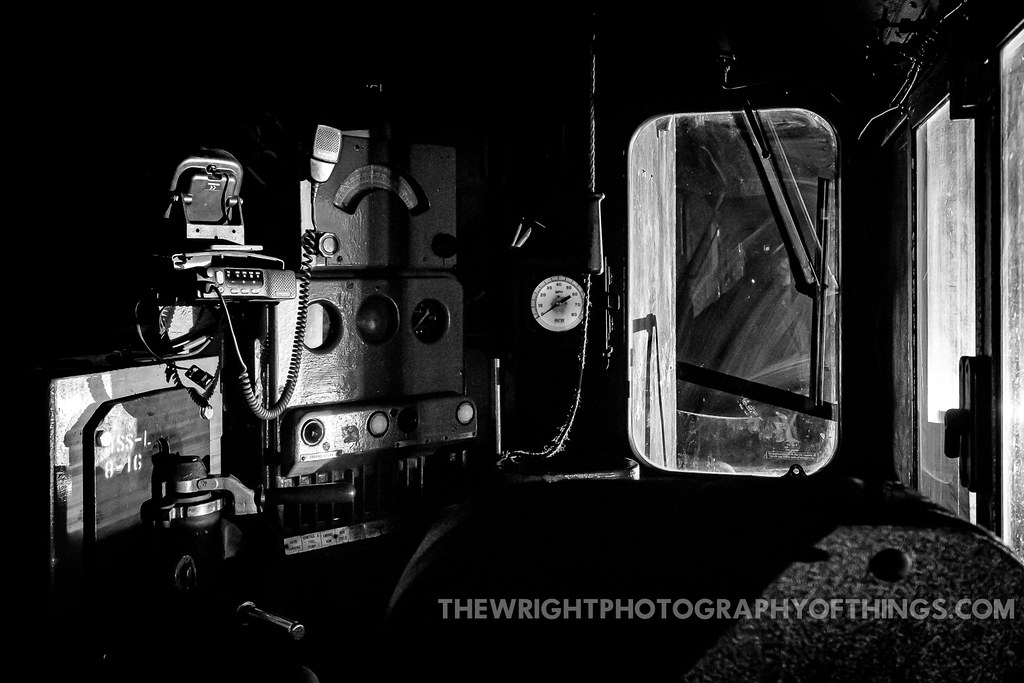 An engineer's view from the cab of Winchester & Western's high hood GP9 #498 on December 11, 2016. Jon Wright photo.
I. Early History and the Need for Regulation
The expansion of networks in the mid-1800s marked a period of significant industrial growth. However, with this expansion came increased accidents, ranging from derailments to collisions, largely due to the absence of standardized safety practices. This prompted the need for regulations to create a safer railroad environment.
From a macro level, two devices improved rail safety to a greater degree than any other mandates or devices; the Westinghouse air brake and knuckle coupler.
The air brake, invented by George Westinghouse in 1869, revolutionized the industry by significantly enhancing train safety. Prior to this innovation, trains primarily relied on manual braking systems, which required considerable coordination by brakeman and posed a high risk during emergency stops or adverse conditions.
The air brake system utilizes compressed air to activate the brakes on all the cars simultaneously, providing a more efficient and reliable means of slowing down or halting a train.
This system comprises a main reservoir, a brake pipe running the entire length of the train, brake cylinders on each car, and a control valve. When the engineer initiates a stop, compressed air is released from the reservoir into the brake pipe, transmitting the pressure to each brake cylinder. This synchronized application of the brakes ensures even pressure distribution and reduces the likelihood of derailments.
The Westinghouse air brake not only improved train safety by enabling quicker and more controlled stops but also allowed for longer and heavier trains, thus boosting the efficiency of rail transport.
Over time, the technology has evolved and been refined, but the foundational principles of Westinghouse's design remain integral to modern train braking systems today, reflecting its enduring impact on railway operations globally.
The knuckle coupler is a pivotal component in rail transportation, primarily designed to connect rail cars seamlessly and enhance train safety. Introduced in the late 19th century by Confederate Colonel Eli Hamilton Janney in 1873, it has revolutionized rail operations by improving both efficiency and safety on the tracks.
Unlike the simpler link-and-pin coupler, knuckle couplers automatically engage upon contact, minimizing the need for manual intervention and reducing the risk of accidents during the coupling process.
Structurally, a knuckle coupler resembles a hooked hand or “knuckle,” which locks with a complementary unit on the adjoining car. This design provides a strong mechanical connection, capable of withstanding the significant forces experienced during train operations.
The automatic locking mechanism ensures that rail cars remain securely linked even under dynamic conditions, such as during acceleration, deceleration, or on inclines.
In addition to its robustness, the knuckle coupler includes fail-safes that promote easier disengagement in emergencies, allowing rail cars to be quickly separated if necessary.
This feature notably enhances overall train safety by facilitating controlled decoupling in response to derailments or collisions. The knuckle coupler’s ability to improve operational efficiency while significantly mitigating risks makes it an indispensable element in modern rail transportation.
A. The Formation of the Interstate Commerce Commission (ICC)
Established in 1887, the ICC was the first federal agency responsible for regulating the railroad industry. Initially, its focus was on ensuring fair rates and eliminating rate discrimination, but over time it assumed responsibilities related to safety regulations.
B. The Federal Safety Appliance Act
Enacted in the late 19th and early 20th centuries, these laws required railroads to implement specific safety equipment, such as automatic couplers and air brakes. This legislation was instrumental in reducing accidents caused by manual operations.
II. Mid-20th Century Developments
The mid-20th century saw significant advancements in railway safety, driven by both regulatory changes and technological innovations.
A. The Federal Railroad Administration (FRA)
Created in 1966, the FRA was tasked with enforcing rail safety regulations and researching new safety technologies. The agency focused on track standards, operating practices, and equipment safety.
B. Regulations for Hazardous Materials
The transportation of hazardous materials by rail posed significant risks, prompting stringent regulations to ensure safe handling. The Hazardous Materials Transportation Act of 1975 established requirements for the labeling, placarding, and documentation of hazardous materials.
III. Modern Safety Technologies
Technological advancements have played a pivotal role in enhancing railway safety. From automated systems to real-time monitoring, technology continues to transform rail operations.
A. Positive Train Control (PTC)
PTC is an advanced system designed to automatically stop or slow trains to prevent accidents. Congress mandated its implementation in 2008 after a series of collisions attributed to human error. PTC technology monitors train position and speed and can intervene if necessary, significantly reducing the risk of accidents.
B. Wayside Detectors and Monitoring Systems
Wayside detectors are installed along tracks to identify potential issues with passing trains, such as overheated wheels or bearings. These systems provide real-time data, allowing for prompt maintenance and reducing the likelihood of equipment failures.
C. Advanced Signal Systems
Modern signal systems, such as the Communications-Based Train Control (CBTC), enhance track utilization and safety by providing precise train location data. These systems allow for better coordination and management of train movements, minimizing the risk of collisions.
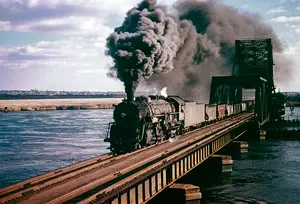
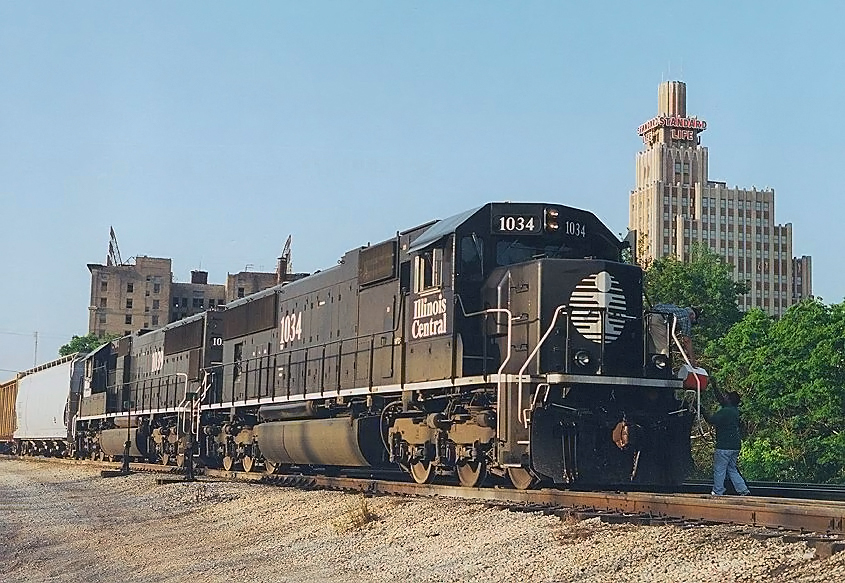 Illinois Central SD70s #1034 and 1039 are paused in downtown Jackson, Mississippi for a crew change on southbound train MEBR (Memphis-Baton Rouge) on April 14, 2000. Doug Kroll photo.
IV. Enhanced Safety Regulations and Practices
A. Safety and Health Improvement
The Railroad Workplace Safety Program focuses on improving the physical safety of railroad work environments. It's designed to ensure that workers have the necessary training and equipment to perform their duties safely.
B. Crew Resource Management
Inspired by similar practices in the aviation industry, Crew Resource Management in railroading emphasizes communication, teamwork, and decision-making. This approach fosters a culture of safety and mitigates errors stemming from miscommunication or poor judgment.
V. Freight and Passenger Rail Safety
The unique challenges of freight and passenger rail transport demand tailored safety measures.
A. Freight Rail Safety
Freight trains carry valuable commodities and hazardous materials, necessitating strict adherence to safety regulations. The FRA oversees inspections and enforces safety standards to ensure secure operations.
B. Passenger Rail Safety
Passenger railroads, like Amtrak, prioritize passenger safety through rigorous maintenance and operational protocols. Regular inspections, safety drills, and staff training form the backbone of passenger rail safety practices.
VI. Responses to Accidents and Incidents
Despite all efforts, accidents do occur. Learning from these events is crucial to improving future safety practices.
A. The Role of the National Transportation Safety Board (NTSB)
The NTSB investigates railway accidents to determine causes and recommend preventive measures. Its findings have led to significant improvements in safety protocols and technologies.
B. Continuous Improvement and Adaptation
Railroad companies and regulatory bodies continuously learn from past incidents, adapting and implementing new safety measures. These adaptations include improved emergency response protocols and the integration of new safety technologies.
VII. The Future of Rail Safety
The ongoing evolution of rail safety reflects the industry's commitment to ensuring secure transit for both freight and passengers.
A. Emerging Technologies
The potential for artificial intelligence and machine learning to further revolutionize rail safety is immense. Predictive maintenance technologies can identify issues before they lead to equipment failures, enhancing safety and efficiency.
B. Sustainability and Safety
As railroads focus on sustainability, they must balance eco-friendly operations with safety. Innovations like electrification and alternative fuels offer opportunities to enhance safety while reducing environmental footprint.
VIII. Conclusion
The U.S. railway industry has come a long way in terms of safety, evolving from rudimentary practices to advanced technologies and stringent regulations. The commitment to maintaining and improving rail safety remains unwavering, driven by the collective efforts of regulatory bodies, railroad companies, and technological innovators.
As the industry moves forward, embracing new advancements and learning from past experiences will ensure that rail travel continues to be one of the safest modes of transportation for generations to come.
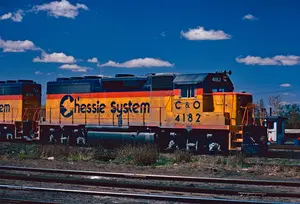
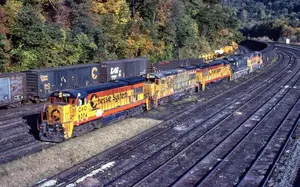
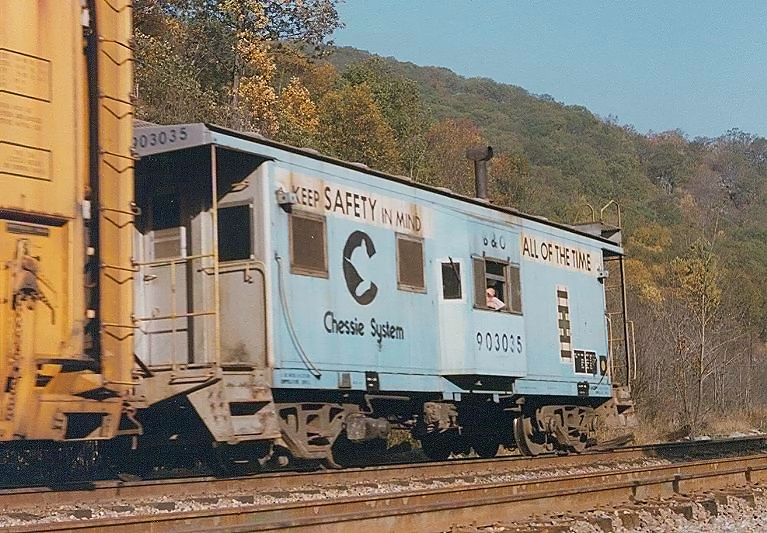 Chessie System bay-window "Safety Caboose" #903035 brings up the tail end of a freight train navigating its way over Sand Patch at Fairhope, Pennsylvania on October 14, 1984. Doug Kroll photo.
The continuous improvement of railway safety is testament to the dedication of those involved in the industry. From pioneers of the past to innovators of the future, ensuring the safety of trains as they traverse the vast American landscape remains a priority.
With each technological advancement and regulatory change, the railway industry moves closer to a future where safety is seamlessly integrated into all aspects of operation, offering peace of mind to all who travel its tracks.
Recent Articles


-
Lehigh and New England Railroad: Map, Rosters, History
Sep 21, 26 12:33 AM
 Lehigh & New England—South Mountain & Boston 1873, named April 2 1895. Anthracite, cement, Maybrook. Last Camelbacks, Alco FAs. Voluntary shutdown October 31 1961.
 -
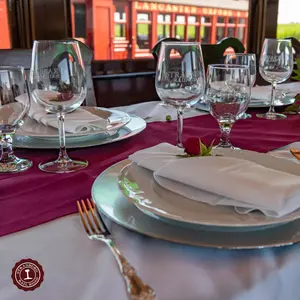
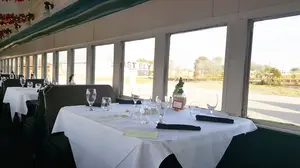
TVRM Chattanooga Dinner Train (2026): Dates, Tickets & What to Expect
Sep 21, 26 12:20 AM
 2026 TVRM Chattanooga Dinner Train Experience—Grand Junction, select Fri/Sat March 6–October 24, three-course, 2–3 hours, from $110. Confirm on tvrail.com.
 -
Lehigh and Hudson River Railroad: Map, Rosters, History
Sep 20, 26 11:55 PM
 Lehigh & Hudson River—Warwick Valley 1860, Railway April 1 1882. Easton–Maybrook bridge road, Alphabet Route, Alco RS-3s and C420s. Conrail April 1 1976.
 -
Royal Gorge First Class Dinner Train (2026)
Sep 20, 26 11:47 PM
 2026 Royal Gorge Route First Class Lunch & Dinner—Cañon City, about 2 hours, from $199+, 12+. Confirm on royalgorgeroute.com.
 -
GE "44-Tonner" Locomotives: Roster, Specs, History
Sep 20, 26 11:09 PM
 GE 44-ton switcher—90,000-pound rule, Caterpillar D17000 center-cab, Sept 4 1940 CB&Q 9103 through Oct 1956 Dansville & Mount Morris 1. Phases, serial roster, PRR 46.
 -
Strasburg Rail Road Dining (2026): Dinner on the Rails & Elegant Expre
Sep 20, 26 11:00 PM
 2026 Strasburg Rail Road seated meals—Dinner on the Rails, Elegant Express, Valentine dinner. Lee E. Brenner diner. Confirm on strasburgrailroad.com.
 -
International-Great Northern Railroad: Map, History, Timetables
Sep 20, 26 10:43 PM
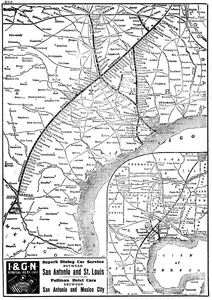
 International–Great Northern—Houston & Great Northern 1866, International Railroad 1870, merged Sept 30 1873. Palestine, Longview–Laredo, Gould, Missouri Pacific March 1 1956.
 -
Nevada Northern Taste of Italy Dinner Train (2026)
Sep 20, 26 03:25 PM
 2026 Nevada Northern Taste of Italy—adults-only multi-course Italian dinner, steam when healthy, East Ely. Sep. 19 gala listed. Confirm on nnry.com.
 -
Cape Cod Dinner Train (2026): Dates, Tickets & What to Expect
Sep 20, 26 02:53 PM
 Cape Cod Central Dinner Train—Hyannis, Buzzards Bay, and Falmouth. Four-course, 3–3½ hours, from $99.99. Confirm on capetrain.com.
 -
Erie Steam Locomotives: History, Roster & Photos
Sep 20, 26 11:55 AM
 Erie Railroad steam—Camelback 2-8-0s, 155 N-1 Mikados, 105 Berkshires, K-class Pacifics, Triplexes. Post-1900 roster after Drury. Last steam March 17, 1954.
 -
Erie Railroad Diesel Roster: All-Time
Sep 20, 26 11:47 AM
 Erie Railroad diesel—boxcabs 1926, FTs 1944, F3/F7, FA/PA, GP7/GP9, Baldwins, Limas. All-time roster with serials, orders, classes. Last steam March 17 1954. EL October 17 1960.
 -
Erie Railroad: Map, Passenger Trains, Logo, History
Sep 20, 26 11:44 AM
 Erie Railroad—New York & Erie 1832, Piermont–Dunkirk May 14 1851, six-foot then standard June 1880, Chicago 1883. High-and-wide fourth way. Erie Lackawanna October 17 1960.
 -
Colebrookdale Railroad Dining (2026): Secret Valley Dinner Train
Sep 20, 26 11:36 AM
 2026 Colebrookdale Railroad dinner in Boyertown—Secret Valley Dining Class, about 2 hours. Saturday evenings. Confirm on colebrookdalerailroad.com.
 -
Boone & Scenic Valley Wolf Dinner Train (2026)
Sep 19, 26 08:15 PM
 2026 Boone & Scenic Valley Wolf Dinner Train—Des Moines River valley, Bass Point Creek High Bridge, Union Pacific dining cars. Confirm on bsvrr.com.
 -
C&NW 4-6-2s 1617 & 1620: Minnesota 400 Yellow Jackets
Sep 19, 26 11:28 AM
 C&NW Class E Pacifics 1617 and 1620—Alco Schenectady 1917, yellow-and-green E-4-style shrouds 1941 for the Minnesota 400. Crews called them Yellow Jackets. Renumbered 617/620. Scrapped 1956.
 -
Erie Lackawanna Diesel Roster: All-Time
Sep 19, 26 10:13 AM
 Erie Lackawanna diesel—Erie and DL&W inheritance, GP35s, U25Bs, SD45/SDP45/SD45-2, U34CH. All-time roster with serials and orders. Conrail April 1 1976.
 -
Erie Lackawanna Railway: Map, History, Logo
Sep 19, 26 10:06 AM
 Erie Lackawanna Railway—Erie and DL&W, October 17 1960–March 31 1976. Von Willer, White revival, Dereco, Agnes, Conrail. High-and-wide Chicago main. Map, logo, what remains.
 -
"Empire State Express" (1941 Train): Timetables, Route, Consist
Sep 18, 26 10:59 PM
 NYC Empire State Express—George Daniels 1891 day train, 999’s 112.5 mph claim, Budd stainless streamliner December 7 1941, Cleveland and Detroit sections, diesels, 1967 name drop. Timetables, consist…
 -
New York Central 4-6-4s 5426 & 5429: Empire State Express Hudsons
Sep 18, 26 10:32 PM
 NYC J-3a Hudsons 5426 and 5429—Alco 1937, Budd stainless shrouds 1941 for the Empire State Express. Pearl Harbor inaugural. Shrouds off by 1950. Neither preserved.
 -
"Stourbridge Lion" Locomotive: Facts, History, Photos
Sep 18, 26 10:27 PM
 Stourbridge Lion—Foster, Rastrick 0-4-0, first steam locomotive in the United States. Horatio Allen, Honesdale, August 8, 1829. Too heavy for D&H gravity track. Boiler in Baltimore; Colonie replic…
 -
Delaware & Hudson Steam Roster (Post 1900)
Sep 18, 26 10:01 PM
 Delaware & Hudson steam—Camelback 2-8-0s, Loree high-pressure compounds, Class K 4-8-4s, forty Challengers. Post-1900 class roster after Drury. Last steam July 21, 1953.
 -
Boston & Maine Steam Roster (Post 1900)
Sep 18, 26 02:57 PM
 Boston & Maine steam—B-15 Moguls, K-8 Consolidations, P-4 Lima Pacifics, T-1 Limas, R-1 Mountains. Post-1900 class roster after Drury. Last steam July 23, 1956.
 -
Boston & Maine Diesel Roster (All-Time)
Sep 18, 26 01:25 PM
 Boston & Maine diesel—boxcab 1100 1935, Flying Yankee 6000, FTs, E7s, BL2s, GP7/GP9, GP38-2s and GP40-2s. All-time roster. Last steam July 23, 1956.
 -
Mid-Continent Railway Museum Dining (2026)
Sep 18, 26 01:21 PM
 2026 Mid-Continent dining in North Freedom—select-date seated meals in luxury cars, reservations required. Pizza Limited June 28. Confirm on midcontinent.org.
 -
Bessemer & Lake Erie Steam Roster (Post 1900)
Sep 18, 26 12:11 PM
Bessemer & Lake Erie steam—C3A 150–151, D1A/D2A Santa Fes, 47 H1 Texas types after Burlington. Post-1900 class roster after Drury. Last steam 2-8-0 156, May 14, 1953. -
Bessemer & Lake Erie Diesel Roster (All Time)
Sep 18, 26 12:09 PM
 Bessemer & Lake Erie diesel—Westinghouse 281 1936, Baldwin DRS-6-6-1500s, F7s 1950–53, SD7/SD9/SD18/SD38 family, RSD-15s. All-time roster. Last steam 2-8-0 156, May 14, 1953.
 -
Bangor & Aroostook Steam Roster (Post 1900)
Sep 18, 26 11:21 AM
 Bangor & Aroostook steam—Manchester Ten-Wheelers, Alco Mountains 100–109, G-2 Consolidations, Pacifics 250–254. Post-1900 class roster after Drury. Last steam Pacific 251, July 22, 1951.
 -
Bangor & Aroostook Diesel Roster (All Time)
Sep 18, 26 11:09 AM
 Bangor & Aroostook diesel—F3s 1947, eight BL2s, E7s, GP7s leased to the PRR, GP9s, GP38s. All-time roster. Last regular steam July 22, 1951.
 -
B&O Steam Locomotive Roster (Post 1900)
Sep 18, 26 10:33 AM
 Baltimore & Ohio steam—Old Maude, E-27 Consolidations, Q Mikados, Big Sixes, EM-1 Yellowstones, President Pacifics. Post-1900 class roster after Drury. Last public steam May 17, 1958.
 -
Baltimore & Ohio (B&O): Diesel Roster (All-Time)
Sep 18, 26 10:28 AM
 Baltimore & Ohio diesel—boxcab 1925, EMC 50 1935, EA 1937, FTs, F3s, F7s, FA-2s, sharks, GP7/GP9, GP30s after C&O 1963, SD50s 8576–8595 1984. All-time roster. Last steam 1958.
 -
Detroit & Toledo Shore Line Railroad: Map, Roster, History
Sep 18, 26 12:32 AM
 Detroit & Toledo Shore Line—Pleasant Bay 1898, named 1899, Detroit–Toledo freight bridge, GTW and Clover Leaf/NKP/N&W. Merged into Grand Trunk Western June 26, 1981.
 -
Lackawanna Steam Locomotives: History, Roster & Photos
Sep 18, 26 12:17 AM
 Delaware, Lackawanna & Western steam—Camelback 2-8-0s, Mikados, freight Pacifics, Poconos 4-8-4s, Hudsons. Post-1900 roster after Drury. Last steam July 13, 1953.
 -
Lackawanna (DL&W) Diesel Roster: All Time
Sep 18, 26 12:11 AM
Delaware, Lackawanna & Western diesel—boxcabs 1926, EMC SC 425–426 1935, FTs 1945, F3/F7/E8, GP7s, RS-3s, FM Train Masters. All-time roster. Last steam 1953. -
Lackawanna Railroad: Map, History, Viaducts, Rosters
Sep 18, 26 12:04 AM
 TDelaware, Lackawanna & Western—Liggett’s Gap 1832, named March 11 1853, Hoboken–Buffalo, anthracite, Phoebe Snow, Cutoff and Tunkhannock. It merged with the Erie to form Erie Lackawanna on Octobe…
 -
Rail News, The Latest
Sep 17, 26 11:56 PM
This page provides a portal to the latest in rail news, from preservation and restortation subjects to other notable topics. -
Union Pacific Big Boy 4014 Sets First Holiday Tour for Make-A-Wish
Sep 17, 26 11:54 PM
Union Pacific Big Boy 4014’s first holiday tour: Cheyenne–Denver tickets, Nov. 21 Denver-area display, Make-A-Wish. Museum patrons Oct. 16; public Oct. 19. -
Conrail Diesel Roster (All Time)
Sep 17, 26 10:27 PM
Conrail diesel—~5,000 inherited 1976, Big Blue, GP15-1s, SD40-2s, SD50s, Dash-8s, SD60/60M/60I, SD80MACs. All-time CR-number roster. -
Chessie System (Railroad): The C&O, B&O, And WM
Sep 17, 26 09:38 PM
 Chessie System, Inc.—C&O, B&O, and Western Maryland. Kitten-C paint 1972, holding company February 26 1973, CSX November 1 1980, C&O into CSXT August 31 1987.
 -
Chesapeake & Ohio (C&O) Diesel Roster: All-Time
Sep 17, 26 06:01 PM
Chesapeake & Ohio diesel—late steam, no Fairbanks-Morse, E7s 1946, GP7/GP9 flood, F7s, GP40-2s, B30-7s, SD50s 1984–85. All-time roster. Steam ended 1956. -
Chesapeake & Ohio (C&O) Steam Roster: Post-1900
Sep 17, 26 03:18 PM
 Chesapeake & Ohio steam—H-8 Alleghenies, K-4 Kanawhas, T-1 Texas, Greenbriers, H-6 1949 Mallets. Post-1900 class roster including Pere Marquette and Hocking Valley. Last steam 1956.
 -
Chesapeake and Ohio Railway: Map, Logo, History
Sep 17, 26 02:36 PM
 Chesapeake & Ohio Railway—Louisa Railroad 1836, named August 31 1868, Ohio River 1873. Coal, Chessie the kitten, Pere Marquette 1947, B&O control 1963, into CSX August 31 1987. Complete corporate…
 -
TVRM Valentine Train Ride (2026)
Sep 17, 26 02:31 PM
 2026 TVRM Valentine Train Ride in Chattanooga—Feb. 6–15, plated dinner, Grand Junction Depot. Confirm on tvrail.com.
 -
River Fox Train Dining (2026)
Sep 17, 26 02:29 PM
2026 River Fox Train in West Sacramento—Brunch Train and Murder Mystery dinner. 18095 County Road 117. Confirm on riverfoxtrain.com. -
Weehawken Terminal, Serving The West Shore Railroad
Sep 17, 26 01:38 PM
 Weehawken Terminal—West Shore / New York Central Hudson waterfront station, opened 1884. Five ferry slips, sixteen tracks, Weehawken Tunnel 4,014 feet. Last ferry March 25, 1959. Port Imperial and HBL…
 -
West Shore Railroad: Map, History, Timetables
Sep 17, 26 01:32 PM
 West Shore Railroad—New York, West Shore & Buffalo 1880–83, Weehawken to Buffalo. PRR-backed rival to the Central. Morgan settlement, 475-year NYC lease January 1 1886. CSX River Sub today.
 -
Jersey Central Diesel Locomotives: History, Roster & Photos
Sep 17, 26 01:20 PM
 Central Railroad of New Jersey diesel—boxcab 1000, Baldwin double-enders, F3s, Train Masters, SD35s, GP40Ps. All-time roster. Steam ended July 1, 1954.
 -
Jersey Central Steam Locomotives: History, Roster & Photos
Sep 17, 26 01:17 PM
 Central Railroad of New Jersey steam—Camelback Ten-Wheelers, USRA Mikados, G-class Pacifics, suburban tanks. Post-1900 class roster after Drury. Dieselized July 1, 1954.
 -
Jersey Central Railroad (CNJ): Map, Rosters, History
Sep 17, 26 01:14 PM
 Central Railroad of New Jersey—Elizabethtown & Somerville 1831, named April 23 1849. Communipaw, anthracite, Blue Comet, Reading/B&O control. Conrail April 1 1976. Complete corporate history.
 -
Central Vermont Diesel Locomotives: History, Roster & Photos
Sep 17, 26 11:35 AM
 Central Vermont diesel—Alco S-2s 1942, RS-3s, RS-11s from DW&P, EMD GP9s 1956–57, GP38ACs 1971. All-time roster. Last steam April 4, 1957.
 -
Central Vermont Steam Locomotives: History, Roster & Photos
Sep 17, 26 11:19 AM
 Central Vermont steam—ten Alco 2-10-4s of 1928, four U-1-a Mountains, Consolidations. Post-1900 class roster after Drury. Last steam April 4, 1957.


%20on%20April%2014%2C%202000.%20Doug%20Kroll%20photo.)
