Railroads By State: History, Maps & Firsts
Last revised: September 4, 2026
By: Adam Burns
Every U.S. state has a railroad story, and none of them is the same story. Massachusetts can claim the first working commercial railroad. Maryland chartered the first common carrier. Pennsylvania ran the first steam locomotive on American rails. South Carolina put the first scheduled steam passenger train in revenue service. Illinois became the place East meets West. Wyoming still moves Powder River coal. Hawaii’s common carriers are gone. Alaska’s state railroad is still a lifeline.
This page is the directory. The national arc—inventors, Civil War, the transcontinental, streamliners, Penn Central, Staggers, today’s Class I map—lives on the railroad history hub. What follows here is how the fifty states differ, a table of firsts, and a link to every state history guide already on American-Rails.com.
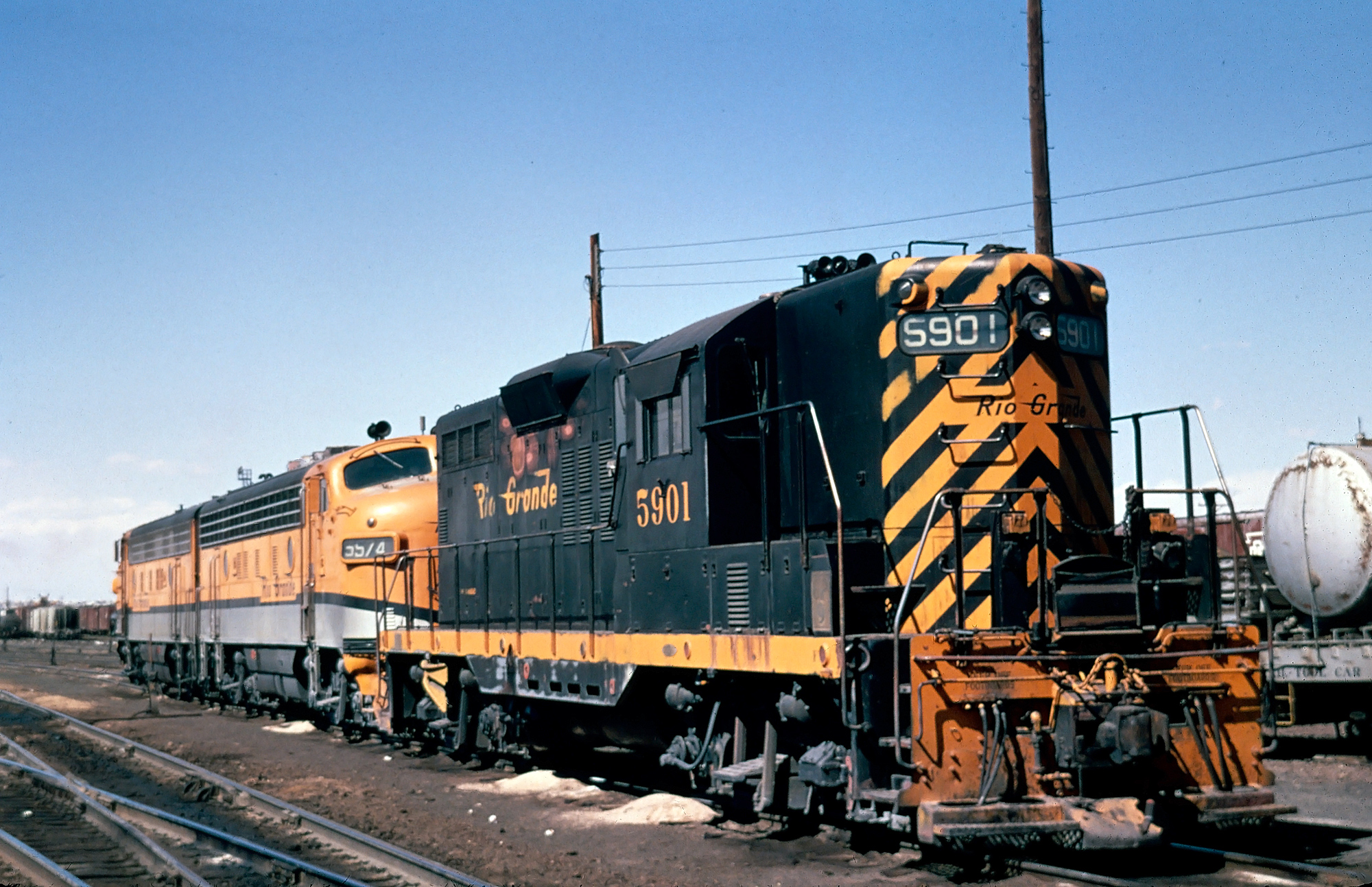
Rio Grande GP9 #5901, and a pair of F-units, layover at North Yard in Denver, Colorado, circa 1970. Robert L. Eastwood, Jr. photo. American-Rails.com collection.
On this page: At a glance · Who was first · Why states differ · Mileage · The East · West of Chicago · All 50 states · Related reading
At a glance
| Item | Detail |
|---|---|
| What this hub is | A state-by-state directory of railroad history pages. Not a second national encyclopedia |
| National story | Railroad history hub |
| Peak U.S. route-mileage | 254,037 in 1916 (ICC / Stover atlas tradition) |
| Freight network today | About 140,000 route-miles (AAR, 2025 fact sheet: “nearly 140,000 miles”) |
| Class I railroads (U.S.) | Six: BNSF, CN, CPKC, CSX, Norfolk Southern, Union Pacific. About 615 Class II/III short lines |
| All six Class Is meet | Chicago / Illinois. Roughly one in four U.S. carloads or intermodal units touches the Chicago area |
| How to read a state page | First railroad, fallen flags, peak vs today’s mileage, who hauls freight now, Amtrak if any, tourist rides and museums as pointers—not ticket offices |
Mileage definitions vary (route-miles vs. miles of track; Class I vs. all freight). Treat AAR state fact sheets as living documents. Information compiled September 4, 2026.
Who was first depends on the question
American railroad “firsts” are a pile of different dates. They are not in conflict if you keep the nouns straight. The national timeline on the history hub uses the same list.
| Claim | When | Where |
|---|---|---|
| First North American railroad charter | 1815 | Col. John Stevens, New Jersey Railroad Company. Not built as chartered; later tangled in the Pennsylvania Railroad family story. Stevens also ran a steam demonstration on a circular track at Hoboken in 1826 |
| First working commercial railroad | 1826 | Massachusetts. Gridley Bryant’s Granite Railway, Quincy quarry to a Neponset River dock at Milton. Horses, not steam |
| First common-carrier charter | February 28, 1827 | Maryland. Baltimore & Ohio, built to keep Baltimore in the race after New York’s Erie Canal |
| First steam locomotive to run in the United States | August 8, 1829 | Pennsylvania. Horatio Allen tested the English 0-4-0 Stourbridge Lion on Delaware & Hudson track at Honesdale. Too heavy for regular service |
| First scheduled steam passenger service | December 25, 1830 | South Carolina. South Carolina Canal & Rail Road, 0-4-0 Best Friend of Charleston |
| Longest railroad in the world (briefly) | 1833 | Same company: Charleston–Hamburg, about 136 miles |
| First U.S. transcontinental | May 10, 1869 | Utah. Union Pacific and Central Pacific met at Promontory Summit—not Promontory Point. Full story: transcontinental railroad |
Canals had the political leverage in the 1820s. New York had just spent a fortune on the Erie Canal (Buffalo to the Hudson). The Delaware & Hudson Canal (1820s–1890s) moved anthracite toward New York water; its gravity railroad and the Stourbridge Lion test are the railroad footnote, not the canal’s whole life. Baltimore could not dig a canal west over the mountains, so it chartered a railroad. Once steam worked in all weather, canals lost the argument. John Stover’s Routledge Historical Atlas of the American Railroads is the atlas this site has used for the national numbers; the January 2007 Trains package “Great Railroading: State-By-State” is still a useful magazine overview of all fifty, including Alaska and Hawaii.
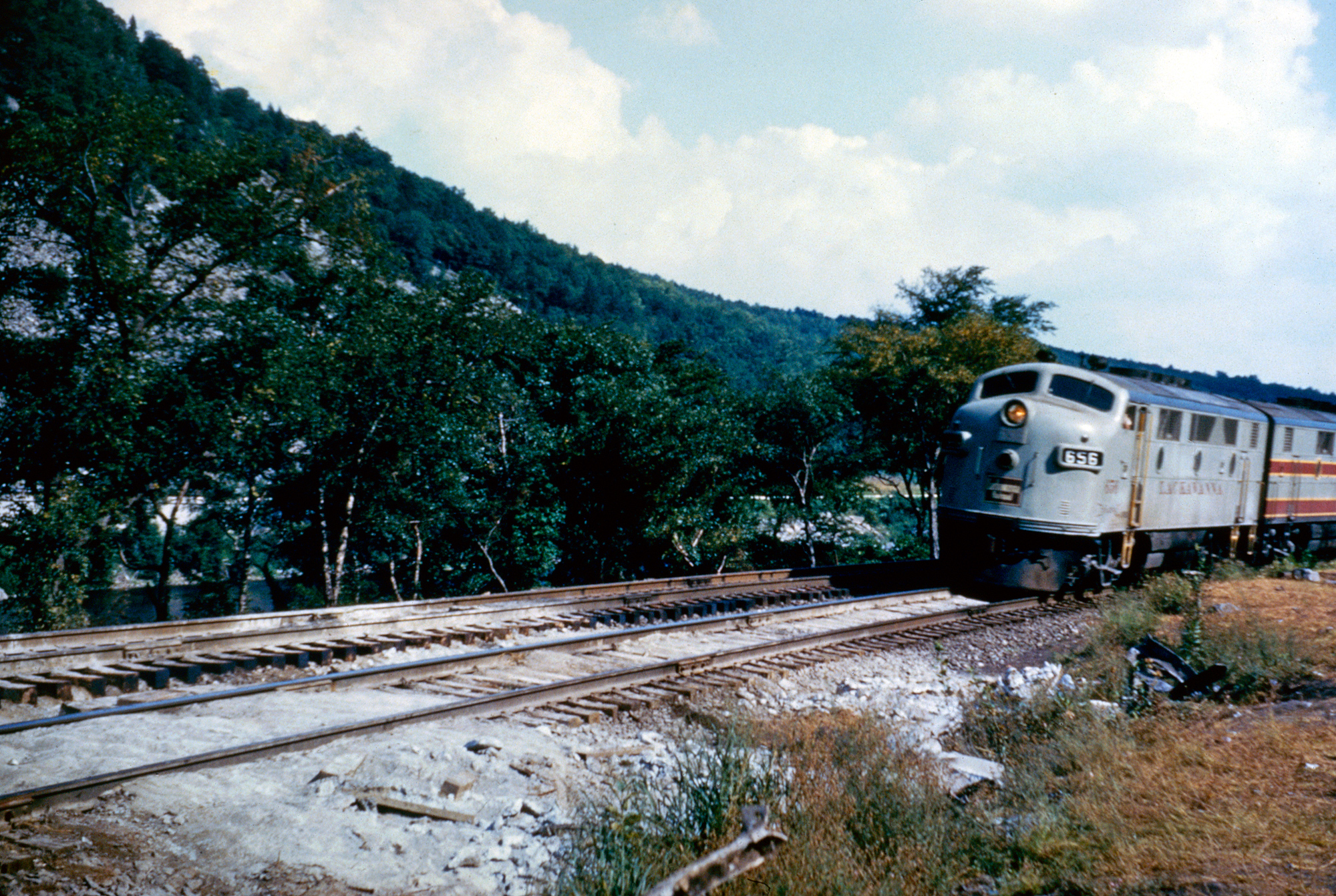
Delaware, Lackawanna & Western F3A #656, in a grey-dip scheme without maroon pinstripes, along the Delaware River near Delaware Water Gap, Pennsylvania, 1950s. American-Rails.com collection.
Why one state is not another
Traffic follows geology and ports. That is the whole comparative method:
- Illinois is the railroad capital because eastern trunks, western transcontinentals, and the granger roads all had to meet somewhere. They met at Chicago.
- West Virginia and Wyoming are coal states of two different eras: Appalachian hoppers on steep, tunneled mains; Powder River unit trains on the plains.
- Texas is petroleum, chemicals, and Gulf ports as much as it is cotton and cattle.
- Minnesota and Michigan’s Upper Peninsula are iron ore to the lakes.
- California and Washington are Pacific gateways plus agriculture.
- Alaska is a state-owned railroad from Seward through Anchorage to Fairbanks because the highway map still is not enough.
- Hawaii was plantation railroads and two serious common carriers. The April 1, 1946 tsunami wrecked the Hawaii Consolidated Railway on the Big Island (abandoned that year). Oahu Railway & Land, worn out by wartime traffic and then hit on the North Shore, ran its last main-line trip on December 31, 1947. Trucks and the wartime road net did as much as the wave. What remains is heritage (Hawaiian Railway Society) and Honolulu rail transit, not freight.
A state page that only lists Class I names is incomplete. The interesting map is usually the short lines, the abandoned coal branches, the logging trams, and the one tourist railroad that still interprets the grade.
From 254,037 miles to about 140,000
By the early twentieth century almost every town of any size had a railroad, or wanted one. Weston, West Virginia, and Deadwood, South Dakota, both got rails. Peak U.S. route-mileage is the 1916 ICC figure of 254,037. Highways, regulation, and then abandonments cut that nearly in half. The Association of American Railroads now describes a freight network of nearly 140,000 miles, with six Class I companies holding about two-thirds of the miles and most of the revenue, and roughly 615 short lines doing the rest.
The pruning was not evenly distributed. The Midwest’s granger branches (C&NW, Milwaukee Road, Rock Island) and the Northeast’s duplicate mains came up first. Western long-haul coal and intermodal, and Southern chemical and merchandise density, held together better. That is why a 1970s map of Pennsylvania looks like a disaster and a 1970s map of Nebraska still looks like a railroad.
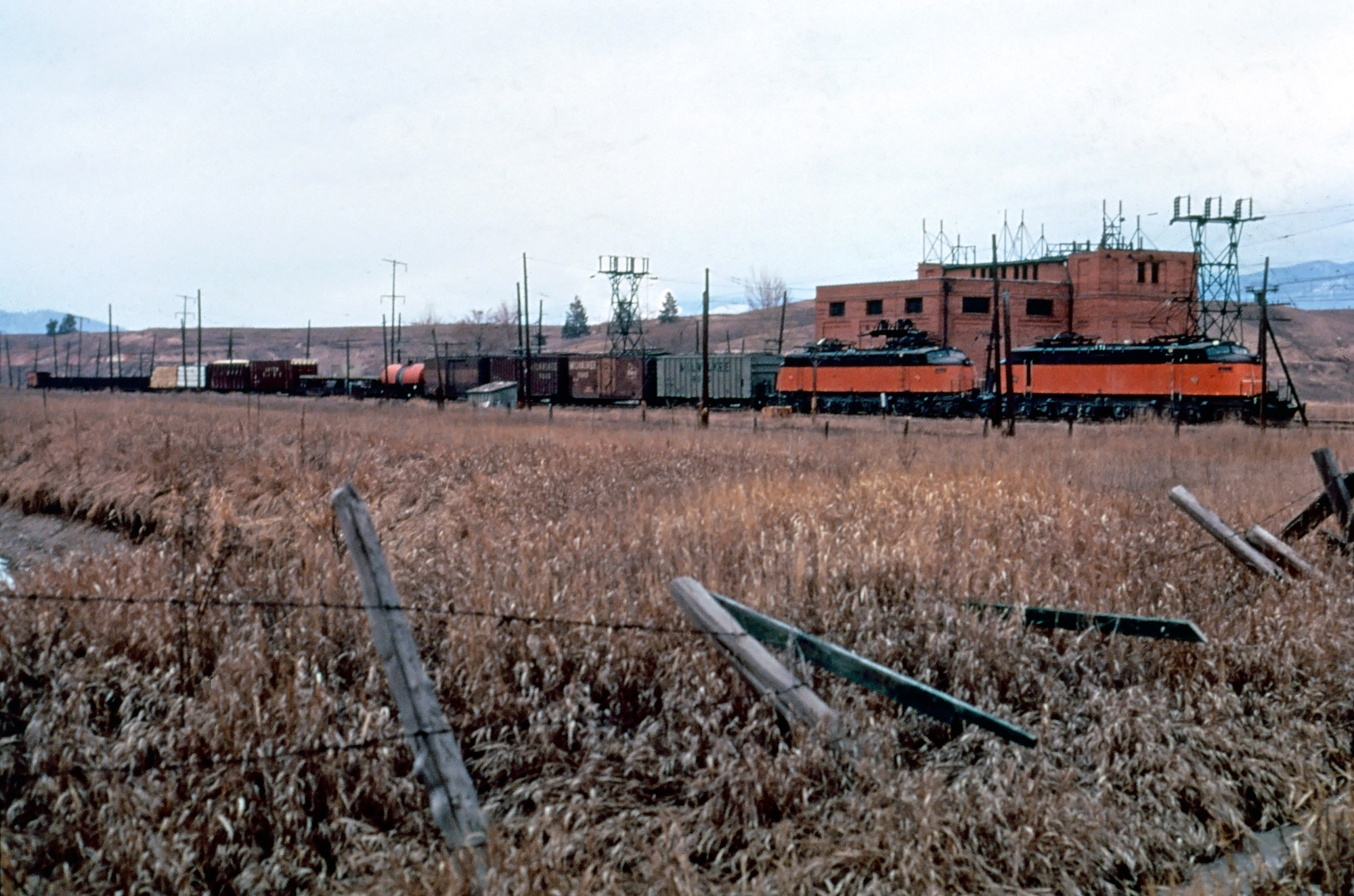
A pair of Milwaukee Road Little Joes lead an eastbound freight past the Primrose Substation, Montana, circa 1972. American-Rails.com collection.
The East: first, steep, and short-haul
Eastern railroads started the industry: B&O, Pennsylvania, New York Central, the New England roads, later the Southern, Atlantic Coast Line, Chesapeake & Ohio, Norfolk & Western. The topography is the other half of the identity. The Appalachians and the Berkshires forced tunnels, stone viaducts, and grades that never stopped being expensive.
Mid-nineteenth-century stonework still carries trains: Thomas Viaduct in Maryland, Rockville Bridge and Starrucca Viaduct in Pennsylvania. The Cincinnati, New Orleans & Texas Pacific between Cincinnati and Chattanooga—Southern’s “Rathole Division”—was famous for 27 tunnels and 105 bridges. The B&O’s Parkersburg line in West Virginia, 103.4 miles Grafton–Parkersburg on the company’s January 1, 1948 Official List, packed 22 tunnels into what became part of a St. Louis main. Those are eastern operating facts, not scenery.
The commercial problem was different. Cities sit close together. New York, Boston, Philadelphia, and Baltimore are a few hours apart. Short-haul freight pays poorly; less-than-carload traffic vanished after World War II; too many companies split the same region. Pennsylvania and New York Central merged as Penn Central on February 1, 1968, and failed on June 21, 1970, taking much of the Northeast with them. Conrail started April 1, 1976, earned a profit in 1981, and was split between CSX and Norfolk Southern in 1999. Southern roads—Southern Railway, Atlantic Coast Line, Seaboard, N&W, L&N—never went through that collapse. They were profitable when the merger wave reached them. The full crisis narrative is on the history hub; the state pages are where the abandoned branches actually sit.
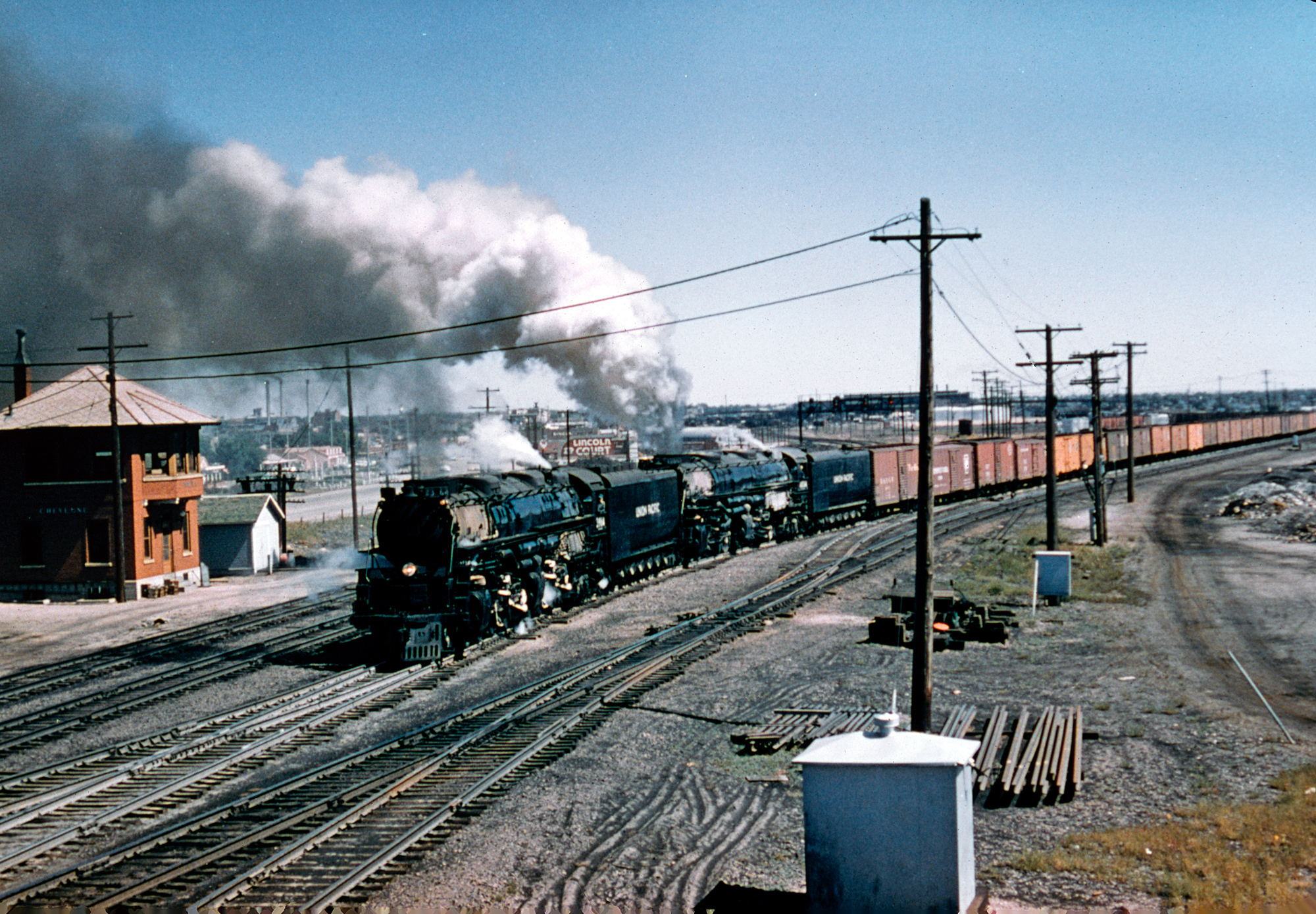
Union Pacific 4-6-6-4 #3964 and 4-8-8-4 Big Boy #4004 lead a westbound past the tower and out of Cheyenne, Wyoming, the morning of September 6, 1956. J.E. Shaw photo. American-Rails.com collection.
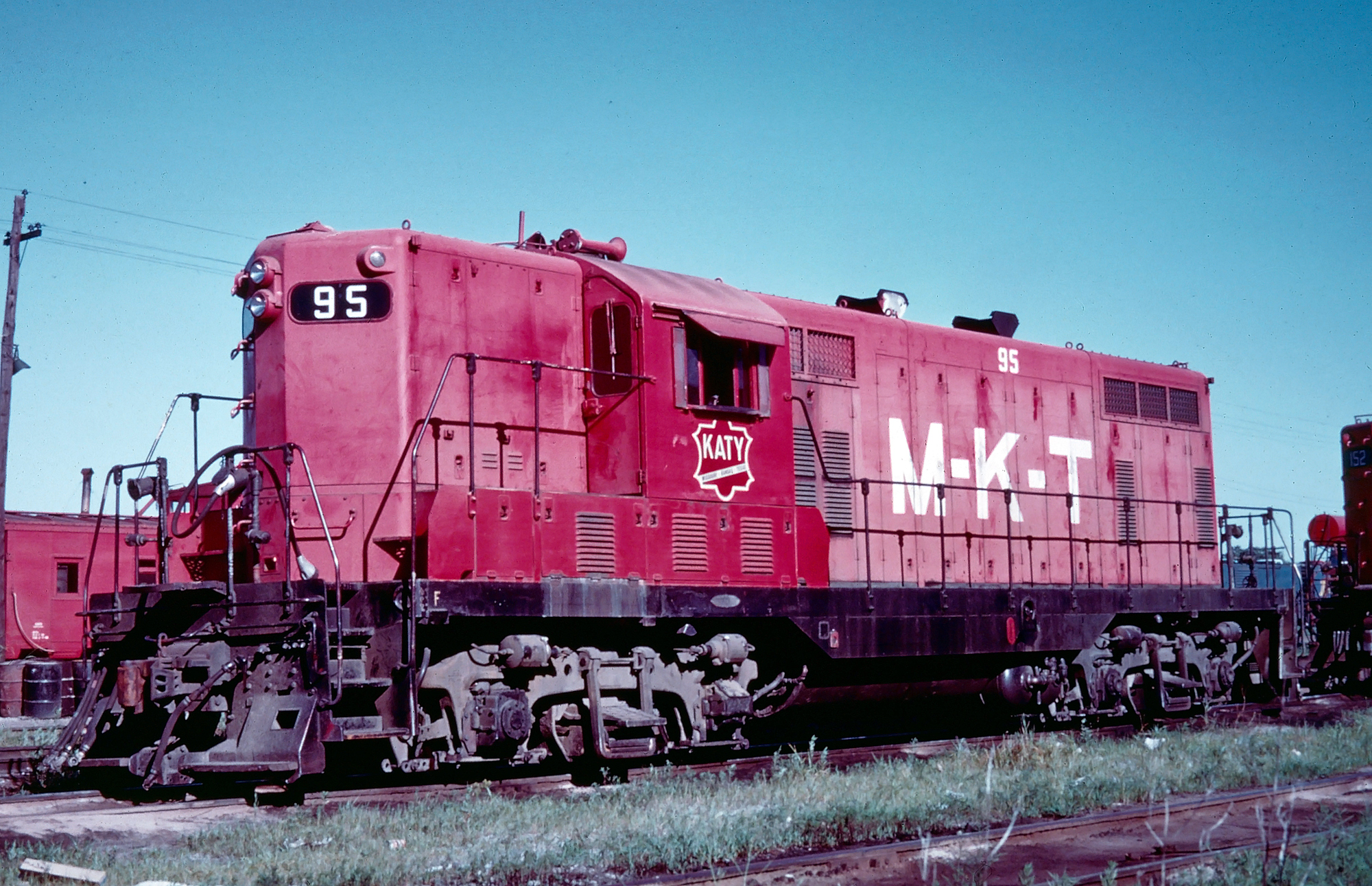
Missouri-Kansas-Texas (“Katy”) GP7 #95 at the engine terminal in Parsons, Kansas, circa 1970. American-Rails.com collection.
West of Chicago: long haul, fewer names
West of the Mississippi the distances pay. Rails were in parts of Illinois, Wisconsin, Iowa, and Missouri by the 1850s. After Promontory in 1869 the rest of the West filled in: Great Northern, Northern Pacific, Santa Fe, later the Milwaukee Road’s Pacific Extension, Southern Pacific already on the coast. Streamliners that sold the region—City of Los Angeles, California Zephyr, Olympian Hiawatha, Super Chief—were a passenger overlay on freight that was already long-haul.
The 1960s–70s bankruptcies that wrecked the East were rarer here because a carload of something could still travel a thousand miles on one railroad. That did not save the Rock Island or the Milwaukee Road, and it did not save every granger branch in Iowa. It did mean the surviving western systems went into the mega-merger years as going concerns.
Burlington Northern was assembled from Great Northern, Northern Pacific, CB&Q, and SP&S in 1970 and merged with Santa Fe in 1995 as BNSF. Union Pacific absorbed Missouri Pacific, Western Pacific, Missouri-Kansas-Texas, Chicago & North Western, and Southern Pacific. Canadian National and CPKC (Canadian Pacific plus Kansas City Southern) are Class I companies on U.S. rails as well. Powder River coal and Pacific-coast intermodal are why BNSF and UP are the two largest U.S. freight railroads. The state pages are where those systems actually sit on the ground.
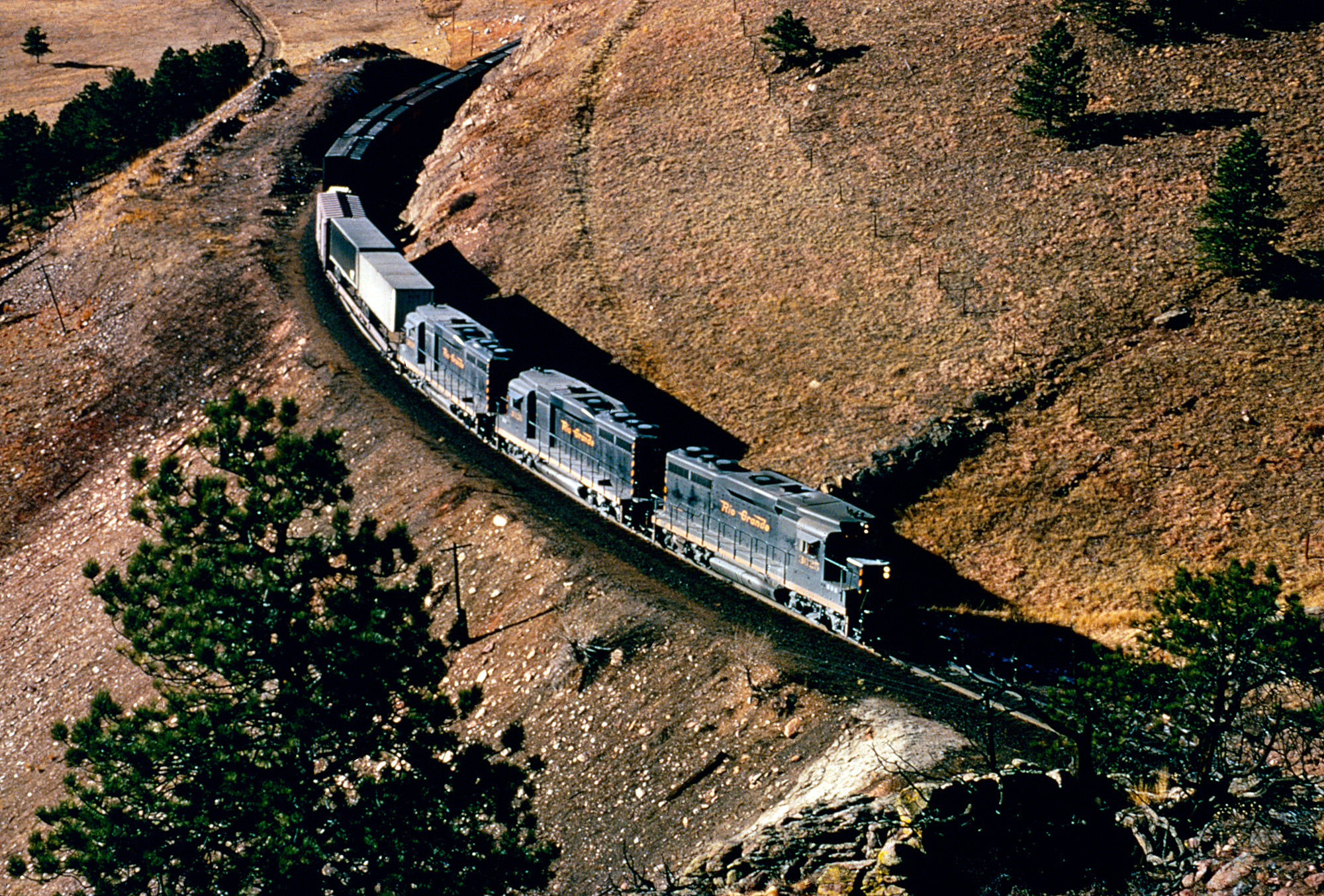
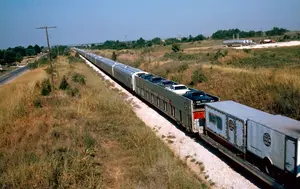
A trio of Rio Grande GP30s, led by #3025, with a westbound freight grinding upgrade at Plainview, Colorado, 1960s. American-Rails.com collection.
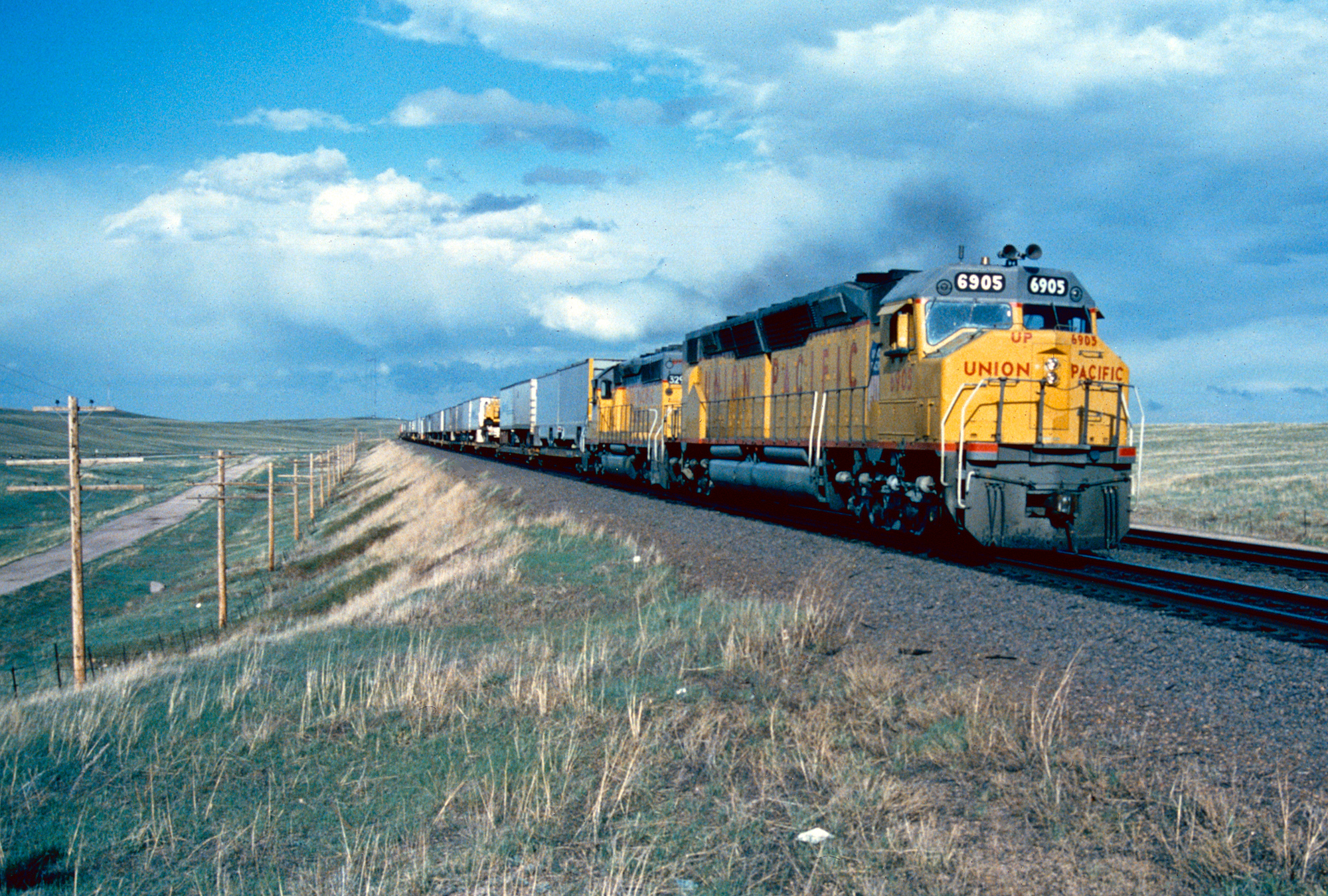
Union Pacific DDA40X “Centennial” #6905 and an SD40-2 lead trailers westbound, west of Cheyenne, Wyoming, summer 1984. Mike Bledsoe photo. American-Rails.com collection.
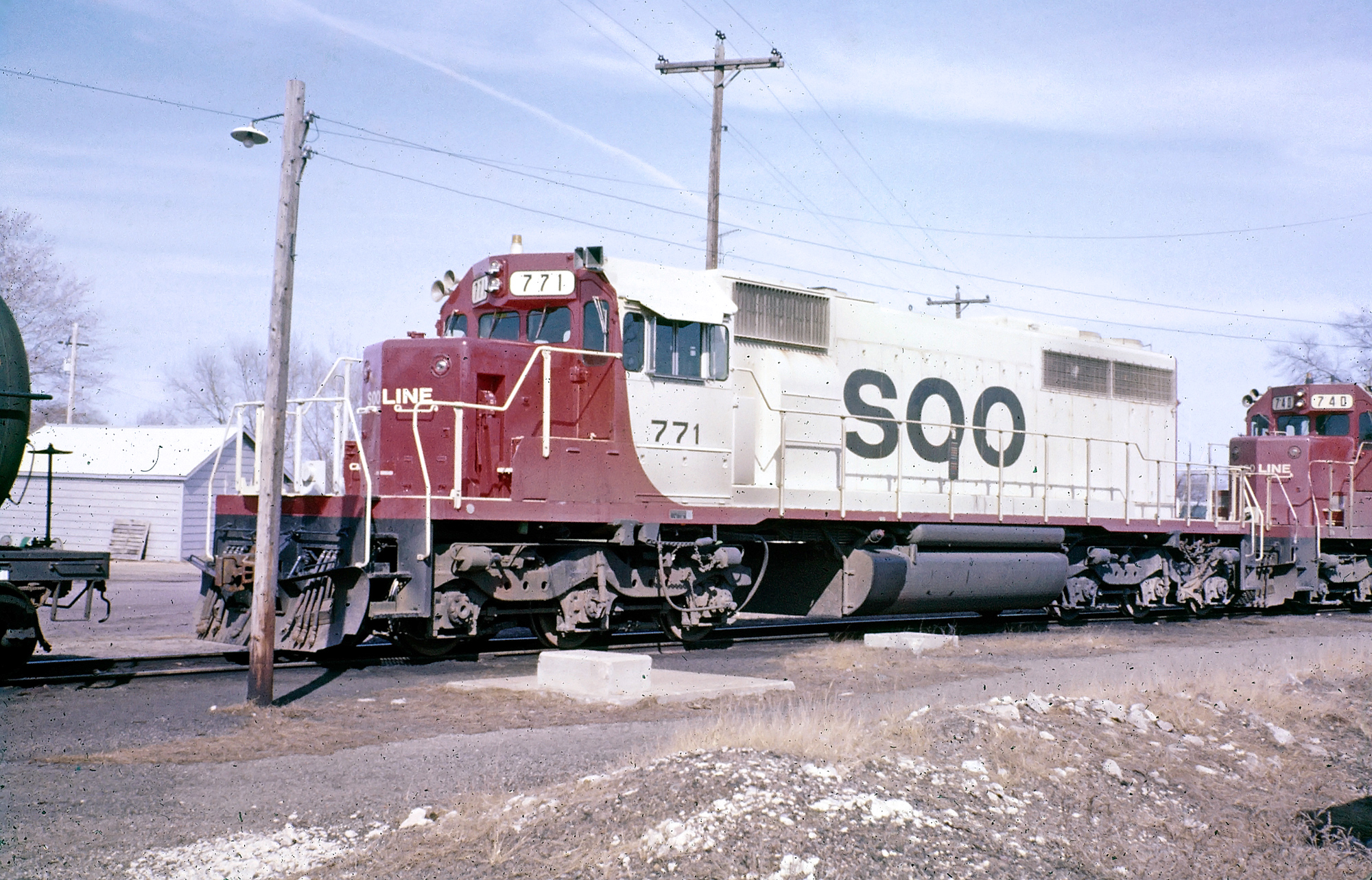
Soo Line SD40-2 #771 and SD40 #740 at Stevens Point, Wisconsin, April 23, 1974. American-Rails.com collection.
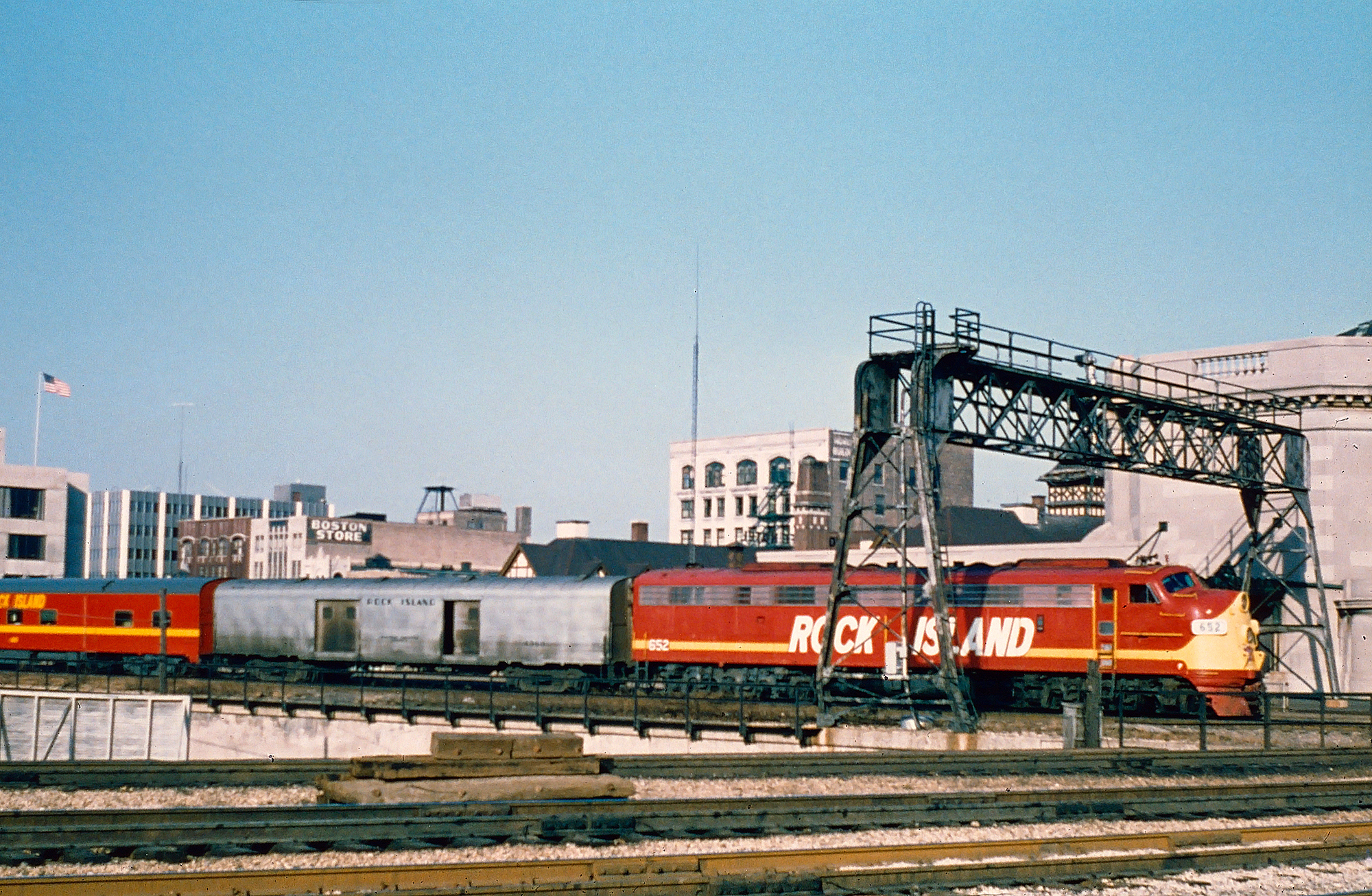
Rock Island E8A #652 at Joliet, Illinois, with the eastbound Quad Cities Rocket, circa 1971. American-Rails.com collection.
All 50 states
Every link below is a live American-Rails state history page. Kansas is /knrs.html, Vermont is /vrmt.html, California is /clfa.html, Hawaii is /hawaiian-railroads.html—those slugs are old and preserved. Iowa, Minnesota, Ohio, and West Virginia are the 2026 rewrites. The District of Columbia has no separate state leaf; it is covered from the Maryland, Virginia, and passenger/terminal pages.
| State | Region | Guide |
|---|---|---|
| Alabama | South | al.html |
| Alaska | Noncontiguous | ak.html |
| Arizona | Southwest | az.html |
| Arkansas | South | ar.html |
| California | Pacific | clfa.html |
| Colorado | Mountain | co.html |
| Connecticut | New England | ct.html |
| Delaware | Mid-Atlantic | de.html |
| Florida | South | fl.html |
| Georgia | South | ga.html |
| Hawaii | Noncontiguous | hawaiian-railroads.html |
| Idaho | Mountain | id.html |
| Illinois | Midwest | il.html |
| Indiana | Midwest | in.html |
| Iowa | Midwest | ia.html (2026 rewrite) |
| Kansas | Plains | knrs.html |
| Kentucky | South | ky.html |
| Louisiana | South | la.html |
| Maine | New England | me.html |
| Maryland | Mid-Atlantic | md.html |
| Massachusetts | New England | ma.html |
| Michigan | Midwest | mi.html |
| Minnesota | Midwest | mn.html (2026 rewrite) |
| Mississippi | South | ms.html |
| Missouri | Midwest | mo.html |
| Montana | Mountain | mt.html |
| Nebraska | Plains | ne.html |
| Nevada | Mountain | nv.html |
| New Hampshire | New England | nh.html |
| New Jersey | Mid-Atlantic | nj.html |
| New Mexico | Southwest | nm.html |
| New York | Mid-Atlantic | ny.html |
| North Carolina | South | nc.html |
| North Dakota | Plains | nd.html |
| Ohio | Midwest | oh.html (2026 rewrite) |
| Oklahoma | South / Plains | ok.html |
| Oregon | Pacific | or.html |
| Pennsylvania | Mid-Atlantic | pa.html |
| Rhode Island | New England | ri.html |
| South Carolina | South | sc.html |
| South Dakota | Plains | sd.html |
| Tennessee | South | tn.html |
| Texas | South / Southwest | tx.html |
| Utah | Mountain | ut.html |
| Vermont | New England | vrmt.html |
| Virginia | South | va.html |
| Washington | Pacific | wa.html |
| West Virginia | Appalachia | wv.html (2026 rewrite) |
| Wisconsin | Midwest | wi.html |
| Wyoming | Mountain / Plains | wy.html |
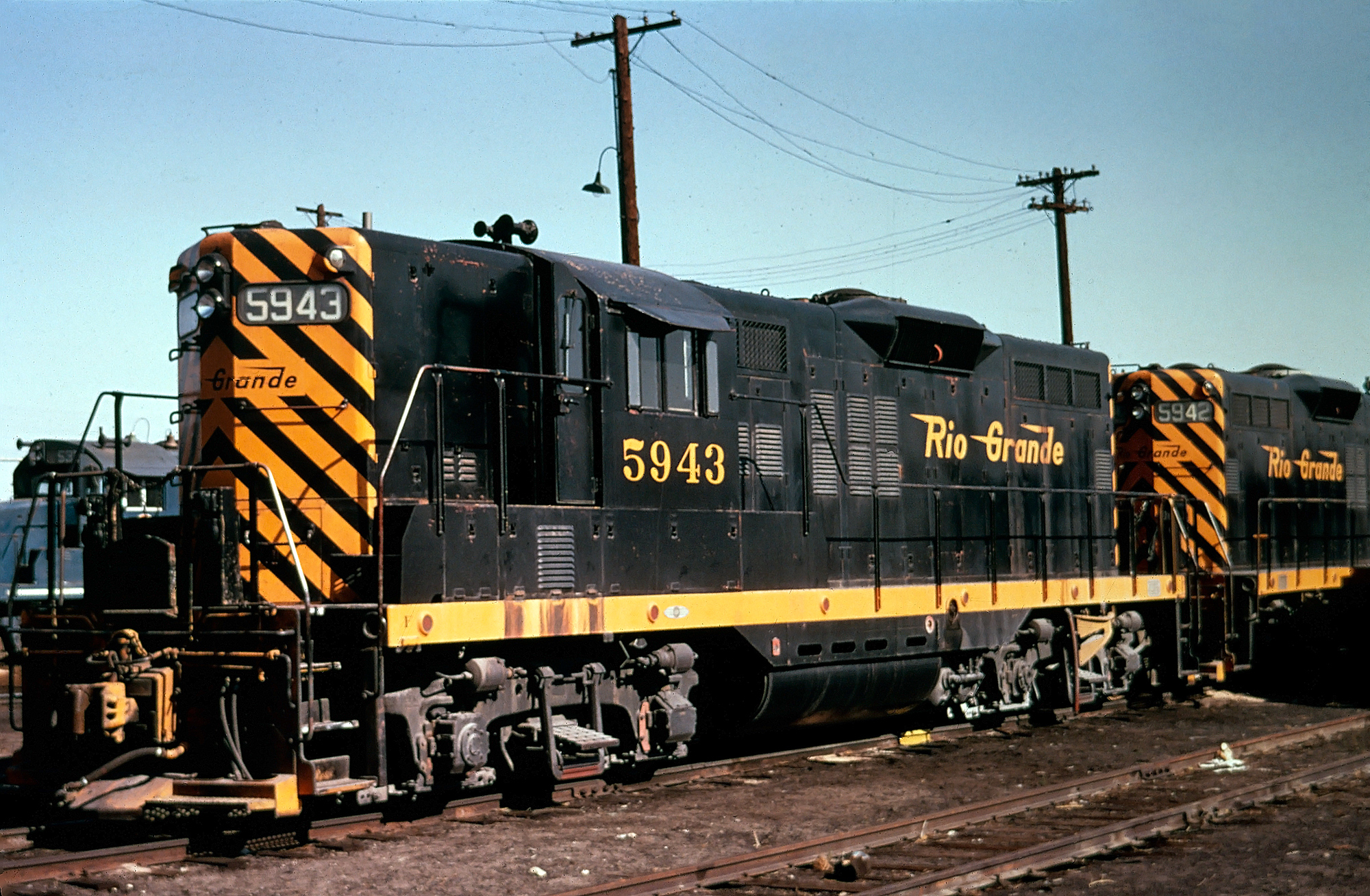
Rio Grande GP9 #5943 at Pueblo, Colorado, early 1970s. Robert Eastwood, Jr. photo. American-Rails.com collection.
Related reading
- U.S. railroad history (national timeline, mileage, regulation)
- Transcontinental railroad · Civil War railroads · 1900–1910
- Fallen flags · Class I railroads · Short lines
- Tourist trains · Museums · Logging railroads · Narrow gauge
- Amtrak · Commuter rail
State firsts and the 1916 peak follow John F. Stover, The Routledge Historical Atlas of the American Railroads (1999), and the research already on this site’s history hub. Modern network size and Class I count: Association of American Railroads fact sheet (updated September 2025). Photographs are from the American-Rails.com collection except as credited.
Recent Articles


-
Nebraska Scenic Train Rides (2026): A Complete Guide
Oct 02, 26 10:11 AM
 Nebraska has no full-size scenic railroad in 2026. The Omaha Zoo Railroad runs weekends through October 4. Ride Amtrak’s California Zephyr across the state.
 -
Missouri Scenic Train Rides (2026): A Complete Guide
Oct 02, 26 09:56 AM
 Missouri tourist trains in 2026—Branson Scenic Railway and the St. Louis, Iron Mountain & Southern at Jackson. Belton has no 2026 schedule posted.
 -
Minnesota Scenic Train Rides (2026): A Complete Guide
Oct 02, 26 09:52 AM
 Minnesota tourist trains in 2026—North Shore Scenic Railroad in Duluth, the Duluth River Train, and the Como-Harriet streetcar.
 -
Kansas Scenic Train Rides (2026): A Complete Guide
Oct 02, 26 09:32 AM
 Kansas tourist trains in 2026—the Abilene & Smoky Valley Railroad. Santa Fe 3415 is in overhaul. Midland Railway at Baldwin City is closed.
 -
Iowa Scenic Train Rides (2026): A Complete Guide
Oct 02, 26 08:41 AM
 Iowa tourist trains in 2026—Boone & Scenic Valley across the Bass Point Creek High Bridge, and Midwest Central’s December North Pole trains
 -
Indiana Scenic Train Rides (2026): A Complete Guide
Oct 02, 26 08:35 AM
 Indiana tourist trains in 2026—French Lick Scenic Railway, Nickel Plate Express, Hoosier Valley, and Hesston. Whitewater Valley is suspended.
 -
Illinois Scenic Train Rides (2026): A Complete Guide
Oct 02, 26 12:28 AM
 Illinois tourist trains in 2026—Illinois Railway Museum, Monticello Railway Museum, Fox River Trolley, and Silver Creek & Stephenson.
 -
Texas Scenic Train Rides (2026): A Complete Guide
Oct 02, 26 12:14 AM
 Texas tourist trains in 2026—Texas State Railroad, Grapevine Vintage Railroad, Austin Steam Train's Hill Country Flyer, and the Galveston Railroad Museum.
 -
Tennessee Scenic Train Rides (2026): A Complete Guide
Oct 02, 26 12:03 AM
 Tennessee tourist trains in 2026—Tennessee Valley Railroad Museum, Dollywood Express, Three Rivers Rambler Christmas trains, and the Tennessee Central Railway Museum.
 -
South Carolina Scenic Train Rides (2026): A Complete Guide
Oct 01, 26 11:52 PM
 South Carolina's tourist train is the South Carolina Railroad Museum in Winnsboro—Blue Granite Express, pumpkin trains, and Santa trains on the old Rockton & Rion.
 -
Mississippi Scenic Train Rides (2026): A Complete Guide
Oct 01, 26 11:38 PM
 Mississippi has no regular tourist railroad in 2026. Ride Amtrak through the state, or book the excursion lines in Alabama, Tennessee, Louisiana, or Arkansas.
 -
Louisiana Scenic Train Rides (2026): A Complete Guide
Oct 01, 26 02:52 PM
 Louisiana has no regular full-size tourist railroad in 2026. New Orleans Polar Express returns December 11–31. Museums at Long Leaf, DeQuincy, and Jackson.
 -
Kentucky Scenic Train Rides (2026): A Complete Guide
Oct 01, 26 02:45 PM
 Kentucky tourist trains in 2026—Big South Fork Scenic Railway, Bluegrass Scenic Railroad, Kentucky Railway Museum, and My Old Kentucky Dinner Train.
 -
Georgia Scenic Train Rides (2026): A Complete Guide
Oct 01, 26 02:27 PM
 Georgia tourist trains in 2026—Blue Ridge Scenic Railway, SAM Shortline, Azalea Sprinter, Savannah shop rides, and what to confirm at Stone Mountain.
 -
Arkansas Scenic Train Rides (2026): A Complete Guide
Oct 01, 26 01:02 PM
 Arkansas tourist trains in 2026—Arkansas & Missouri through the Boston Mountains, and the Eureka Springs & North Arkansas dinner and excursion trains.
 -
Alabama Scenic Train Rides (2026): A Complete Guide
Oct 01, 26 12:59 PM
Alabama tourist trains in 2026—Heart of Dixie Railroad Museum at Calera, North Alabama Railroad Museum at Chase, and the Wales West Light Railway at Silverhill. -
The Circus Train: How Such Attractions Reached Distant Cities
Oct 01, 26 12:22 PM
 How circuses moved by rail: Coup's 1872 flats, the Ringling train's sections and car counts, the 1918 Hammond wreck, and the last show on May 21, 2017.
 -
West Virginia Halloween Train Rides (2026)
Oct 01, 26 12:19 PM
 2026 West Virginia Halloween train. Cass Scenic Halloween Train, October 30 and 31, steam, 5:00 p.m. from Cass Depot. Adult $75. About two hours to Whittaker. Family ride.
 -
Wisconsin Halloween Train Rides (2026)
Oct 01, 26 12:11 PM
2026 Wisconsin Halloween trains. Mid-Continent Pumpkin Special October 24–25, adult $24, pumpkins extra. Halloween Flyer October 24 at 4:30 p.m., adult $30. Osceola Pumpkin Express boards in Osceola… -
Utah Halloween Train Rides (2026)
Oct 01, 26 12:00 PM
 2026 Utah Halloween trains at Heber Valley Railroad. Pumpkin Train, about 40 minutes, with a cookie and a pumpkin. Halloween Express, about 90 minutes to Grim Hollow, Monday, Thursday, and Friday even…
 -
Texas Halloween Train Rides (2026)
Oct 01, 26 11:28 AM
 2026 Texas Halloween train. Texas State Railroad Spooky Special, adult-only, October 24. Boards Palestine at 5:00 p.m. About five hours to Rusk and back. Dinner on the grounds. Not steam. No fare on t…
 -
Tennessee Halloween Train Rides (2026)
Oct 01, 26 12:15 AM
 2026 Tennessee Halloween trains. Tennessee Valley Railroad Museum Rails, Wizards & Spells, selected days September 18 through October 25, from $35, about 2.5 hours. Spells & Potions tea from $60. The…
 -
Frisco's "Firefly" (Train): Consist, Route, Timetable
Sep 30, 26 11:37 PM
 Frisco Firefly—daylight streamliner, Kansas City to Tulsa and Oklahoma City. Trains 117 and 118. Pacifics 1018, 1026, and 1031. Last run May 22, 1960.
 -
South Carolina Halloween Train Rides (2026)
Sep 30, 26 11:29 PM
 2026 South Carolina Halloween train. South Carolina Railroad Museum Pumpkin Patch Express, the two Saturdays before Halloween. About three miles to the Greenbriar pavilion. Pumpkin for children 12 and…
 -
Oregon Halloween Train Rides (2026)
Sep 30, 26 08:10 PM
2026 Oregon Halloween train. Sumpter Valley Railroad Halloween Express at the Sumpter Depot, calendar window October 31 at 11:00 a.m. through November 1 at 12:30 p.m. Fare and the individual clocks ar… -
Oklahoma Halloween Train Rides (2026)
Sep 30, 26 03:45 PM
2026 Oklahoma Halloween train. Oklahoma Railway Museum, October 30 and 31, from Oakwood Station in Oklahoma City. Adults $15, children 3–12 $8. A candy bag with the ride. -
McCloud River Railroad: Serving The Timber Industry (1897-2009)
Sep 30, 26 03:37 PM
 McCloud River Railroad—Mount Shasta City to McCloud, Hambone, and Burney. Opened August 1, 1897. Alco No. 25 and EMD SD38s. Dinner train through January 2010. Railbikes in 2026; a dinner train is stil…
 -
Nevada Halloween Train Rides (2026)
Sep 30, 26 03:30 PM
2026 Nevada Halloween trains in Ely. Nevada Northern Pumpkin Patch Caper and Haunted Ghost Train. Adult tickets start at $45. Dates are on the railroad’s ticket calendar. Boulder City stays off until… -
Missouri Halloween Train Rides (2026)
Sep 30, 26 11:12 AM
 2026 Missouri Halloween trains. St. Louis Iron Mountain & Southern Pumpkin Patch Train on October 3, 4, 10, and 11, and Halloween Express on October 31 at 1:00 p.m. Jackson depot. No fare on the sched…
 -
Minnesota Halloween Train Rides (2026)
Sep 30, 26 11:06 AM
 2026 Minnesota Halloween trains. North Shore Scenic Great Pumpkin Train in Duluth, October 15–18. Everyone gets a pumpkin. Terror Train is October 30, an adult costume party, about three hours. Fares…
 -
Maryland Halloween Train Rides (2026)
Sep 30, 26 10:42 AM
 2026 Maryland Halloween trains. Western Maryland Scenic Pumpkin Patch Limited, October 17, 18, 24, and 25, $14. Colesville Trolleyween October 24, 25, and 31.
 -
West Side Lumber Company Railroad: Roster, History, Lines
Sep 30, 26 09:45 AM
 West Side Lumber at Tuolumne, California. Three-foot Shay and Heisler logging railroad. Lima shop numbers, builder specs, and where the engines are in 2026.
 -
Kansas Halloween Train Rides (2026)
Sep 30, 26 09:41 AM
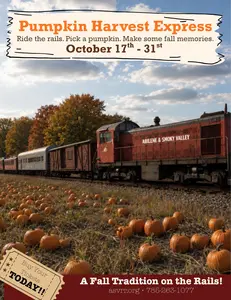
 2026 Kansas Halloween train. Abilene & Smoky Valley Pumpkin Harvest Express, October 17 through 31. About one hour. Shop prices $35.56 to $41.02. Everyone picks a pumpkin.
 -
Iowa Halloween Train Rides (2026)
Sep 29, 26 11:58 PM
 2026 Iowa Halloween train. Boone & Scenic Valley Pumpkin Express, October 10, 10:00 a.m. from 225 10th Street. About 1 hour 15 minutes. Children pick a pumpkin.
 -
Arizona Halloween Train Rides (2026)
Sep 29, 26 11:43 PM
 2026 Arizona Halloween train. Grand Canyon Railway Pumpkin Patch Train from Williams, $39 with a pumpkin included. Select October dates on the ticket calendar. Haunted train cars are optional.
 -
Nevada Northern Halloween Trains (2026)
Sep 29, 26 06:18 PM
Nevada Northern 2026 Halloween trains in Ely. Pumpkin Patch Caper to Keystone Gulch and the Haunted Ghost Train. Adult tickets start at $45. Dates are on the railroad’s calendar. Confirm on nnry.com. -
Grand Canyon Railway Pumpkin Patch Train (2026)
Sep 29, 26 02:42 PM
 Grand Canyon Railway Pumpkin Patch Train—select October 2026 dates from Williams, $39 with a pumpkin included. Haunted train cars are optional. Days are on the ticket calendar. Confirm on thetrain.com…
 -
Cass Scenic Railroad Halloween Trains (2026)
Sep 29, 26 02:37 PM
 Cass Scenic Halloween Trains—October 30 and 31, 2026, steam, 5:00 p.m. from Cass Depot. About two hours to Whittaker. Adult $75. Candy for every child. Confirm on mountainrailwv.com.
 -
Halloween Train Rides (2026): Pumpkin Patch, Haunted & Spooky Trips
Sep 29, 26 11:26 AM
 2026 Halloween train rides in nine checked states. Conway Scenic Halloween Express October 24–25. Strasburg’s three fall tickets. Great Smoky Mountains Railroad’s October trains are the gorge and rive…
 -
Maine Halloween Train Rides (2026)
Sep 29, 26 11:08 AM
 2026 Maine Halloween trains. Seashore Pumpkin Patch Trolley through October 18, adult $17. Happy Trolleyween October 23–25 at $15. WW&F Pumpkin Pickin’ October 3, 12, 17, and 24. Downeast’s booking it…
 -
Kentucky Halloween Train Rides (2026)
Sep 29, 26 10:58 AM
 2026 Kentucky Halloween trains. Kentucky Railway Museum Trick and Track Express, October 24 and 31, from $17. Bluegrass Scenic pumpkin trains in Versailles. Confirm on the ticket shop.
 -
Connecticut Halloween Train Rides (2026)
Sep 29, 26 10:26 AM
 2026 Connecticut Halloween trains. East Windsor Pumpkin Patch Fridays through Sundays, October 2–31. Naugatuck coach $20. Shore Line Pumpkin Patch on nine October days. Confirm on each site.
 -
Pennsylvania Halloween Train Rides (2026)
Sep 29, 26 09:45 AM
 2026 Pennsylvania Halloween trains—Everett October 3, 4, 10, and 17, Strasburg’s three fall shows, Oil Creek on October 24, plus Kutztown, Kempton, Honesdale, Middletown, and West Chester.
 -
New York Halloween Train Rides (2026)
Sep 29, 26 12:08 AM
2026 New York Halloween trains—Catskill Pumpkin Express October 17–18 and 24–25, Adirondack pumpkin and family trains, Arcade & Attica haunt, Cooperstown patch and trick-or-treat, Tupper Lake triv… -
North Carolina Halloween Train Rides (2026)
Sep 28, 26 11:56 PM
 2026 North Carolina Halloween trains—New Hope Valley Track or Treat on October 10, 17, 23, and 24, and Tweetsie Ghost Train Friday and Saturday nights through October 31. GSMR’s October menu is the go…
 -
Tweetsie Railroad Ghost Train Halloween Festival (2026)
Sep 28, 26 11:44 PM
Tweetsie Ghost Train—Friday and Saturday nights September 25–October 31, 2026, in Blowing Rock. Adult $65, child $45. One reserved steam ride plus the park. Ages 8 and up for the haunt. -
Milwaukee Road Class A 4-4-2: Specs, Roster, History
Sep 28, 26 11:20 PM
 Milwaukee Road Class A Atlantics 1–4, Alco 1935–1937, for the Hiawatha. Order S-1740, 84-inch drivers, 19x28, 300 psi, 30,685 lb. Full builder specs, roster, and the May 15, 1935 run at 112.5 mph. All…
 -
Strasburg Rail Road Halloween Trains (2026)
Sep 28, 26 11:00 PM
 Strasburg’s 2026 Halloween tickets—Pumpkins in Paradise on October 3, The Haunting of Pumpkin Junction, and The Brakeman’s Curse through October 25. Three fares. Legacy of Sleepy Hollow is an earlier…
 -
GSMR Peanuts Pumpkin Train (2026): Not on This Year’s Ticket Menu
Sep 28, 26 10:50 PM
Great Smoky Mountains Railroad’s September 28, 2026 ticket menu lists Nantahala and Tuckasegee excursions. A Peanuts Great Pumpkin train is not on that menu. Polar Express is on the November calendar. -
New Jersey Halloween Train Rides (2026)
Sep 28, 26 06:45 PM
2026 New Jersey Halloween trains—Black River & Western to Everitt Farms through October 25, Delaware River Great Pumpkin through November 1, Whippany October 4, 10, and 11, Pine Creek night trains.